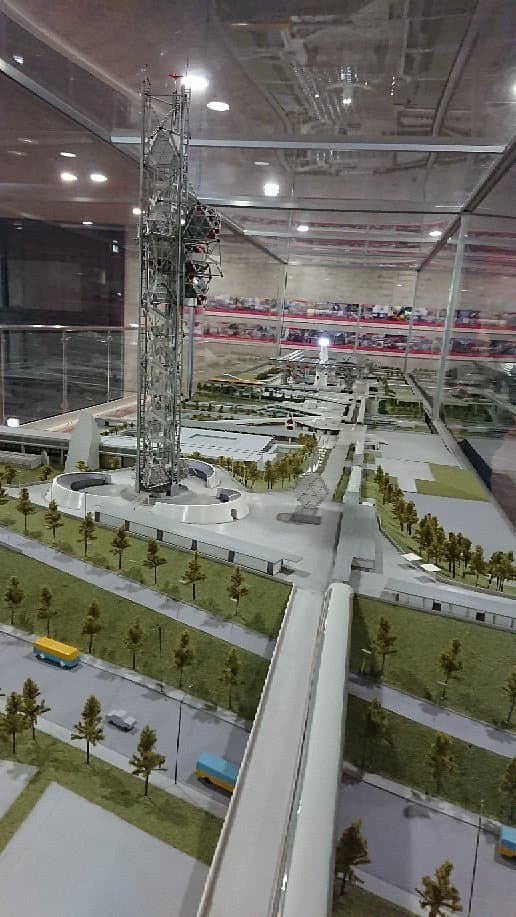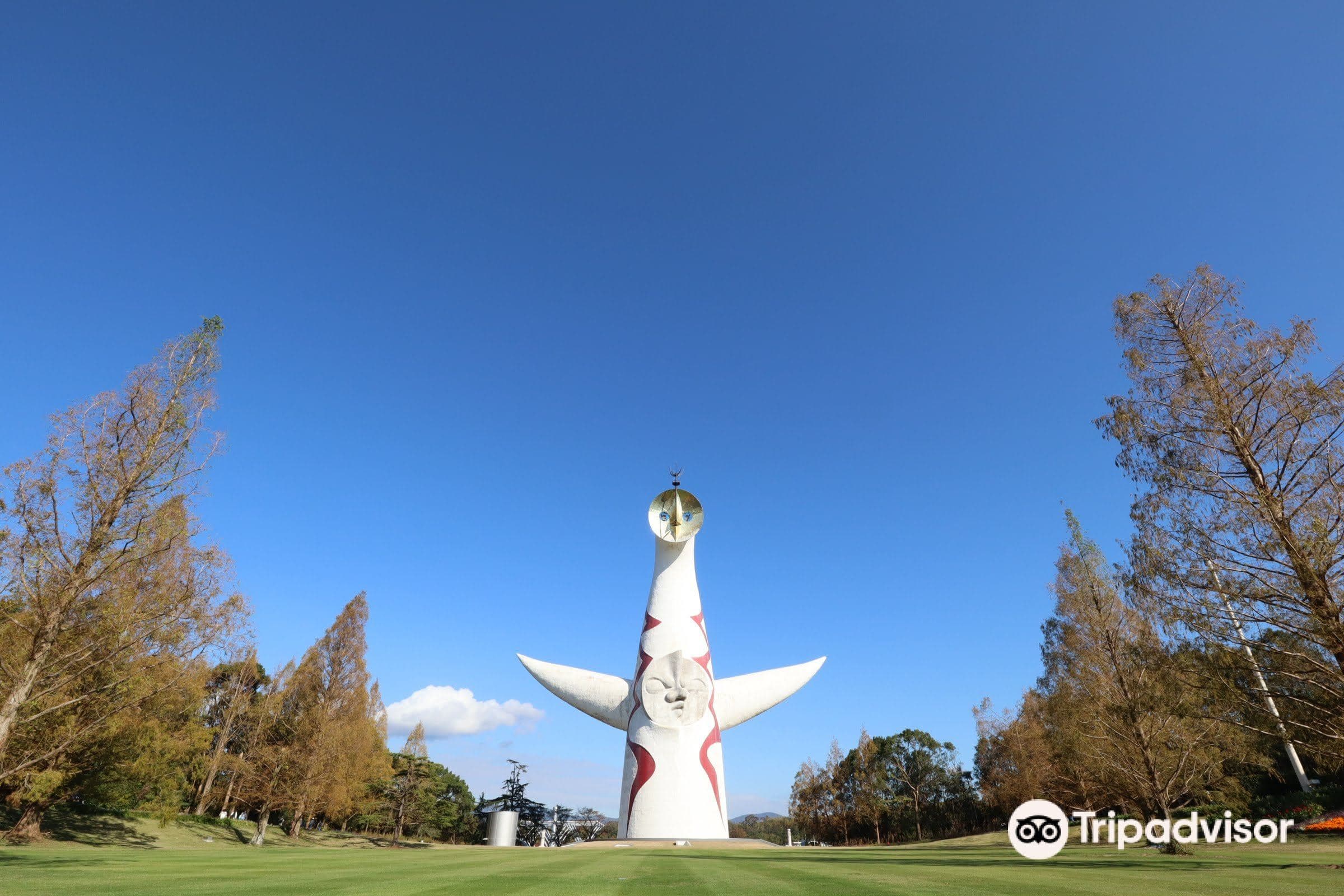
The Tower of the Sun (Taiyo no To) stands as the enduring symbol of the 1970 Japan World Exposition in Suita, Osaka. Designed by artist Tarō Okamoto, this 65-meter-tall structure with its distinctive three faces—representing the past, present, and future—and two 25-meter-long arms, is a powerful piece of public art and a significant cultural landmark. It served as the centerpiece of the Expo's theme pavilion, embodying the vitality and evolution of humanity.
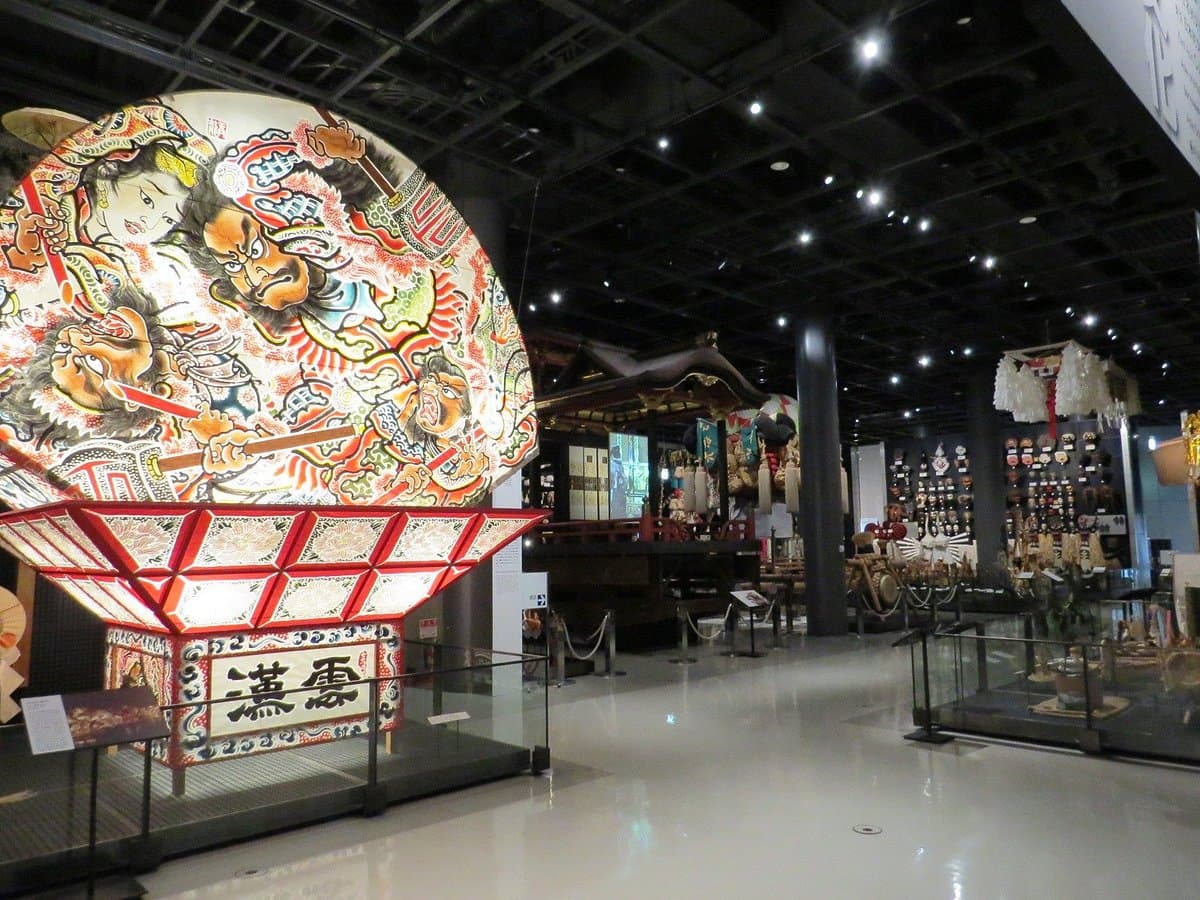
Visitors consistently praise the tower's striking appearance, noting its impressive scale and unique design. Many are surprised by the innovative exhibits, particularly the 'Tree of Life' sculpture inside, which was originally displayed in 1970. Reviewers describe the interior experience as both fascinating and a glimpse into the artistic vision of the past. The tower's eyes glowing at night are a frequently mentioned highlight, creating a 'scary and impressive' atmosphere. Several visitors also appreciate its connection to popular culture, referencing its appearance in '20th Century Boys'.
To fully experience the Tower of the Sun, including its interior, advance reservations are essential. Reviewers emphasize that bookings must be made by the day before, though same-day tickets might be available on a first-come, first-served basis if there are cancellations. Plan to spend 2-3 hours exploring the tower and its immediate surroundings within Expo Commemoration Park. The park itself offers various attractions, including Japanese gardens, which are particularly beautiful during autumn illuminations. Consider visiting in the late afternoon to experience both the daytime view and the illuminated tower at night.
The Tower of the Sun is located within Expo Commemoration Park in Suita, Osaka. The park is easily accessible by public transport. Take the Osaka Monorail to Banpaku-kinen-koen Station (Expo Commemoration Park Station). The tower is a short walk from the station within the park. For those driving, parking is available at the park, but public transport is generally recommended to avoid potential traffic and parking fees.
A common complaint, or rather a point of caution, is the necessity of advance booking for interior access. Visitors who arrive without reservations may be disappointed, especially during peak times. To mitigate this, always check the official website for reservation procedures and book your tickets well in advance of your visit.