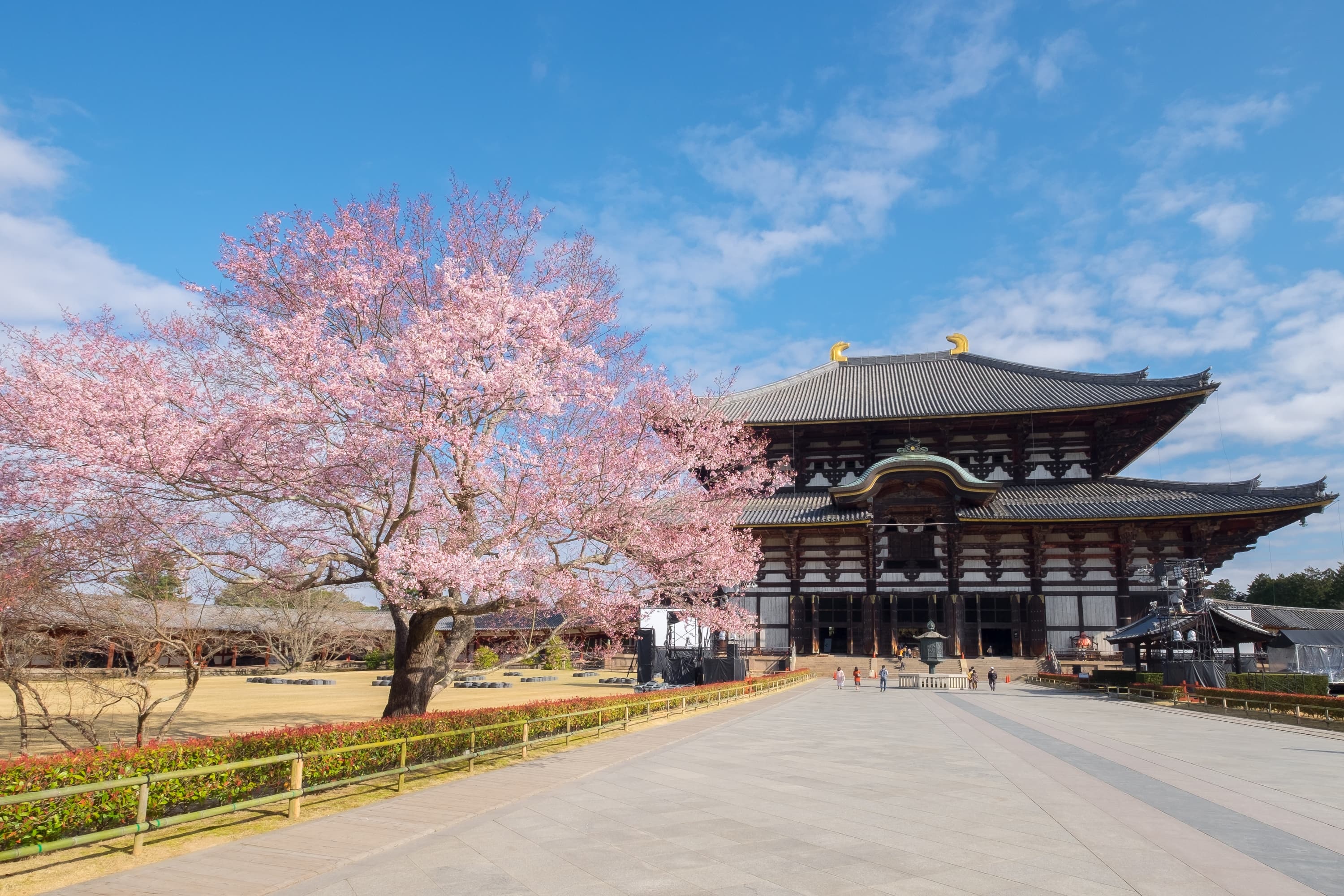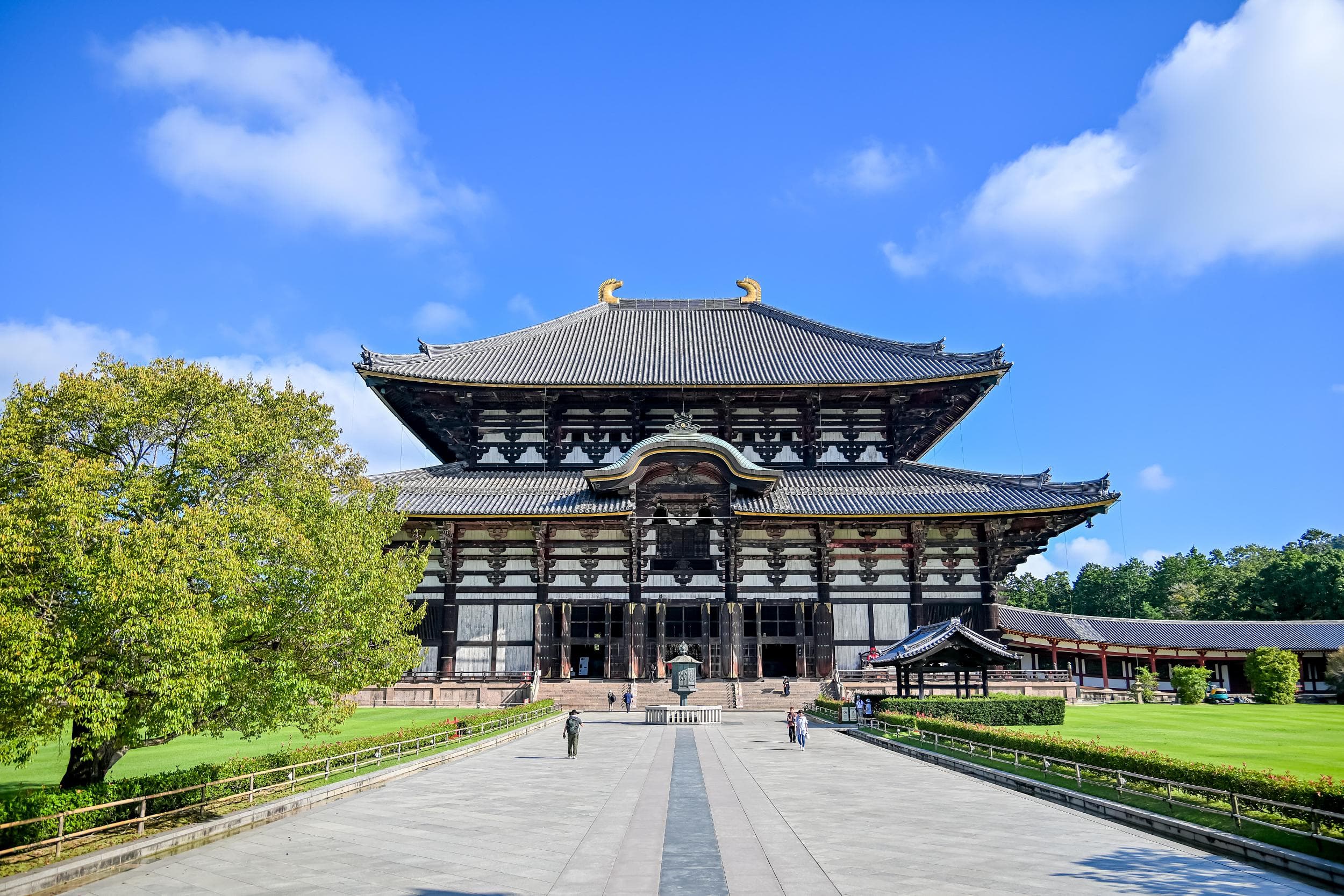
The Todai-ji Daibutsuden, or Great Buddha Hall, is the main hall of Todai-ji Temple, a UNESCO World Heritage site and a pivotal landmark in Japanese history. Constructed in 752 AD, it once held the title of the world's largest wooden building, a testament to ancient Japanese architectural prowess. Inside, it enshrines a monumental 15-meter-high bronze statue of Vairocana Buddha, a sight that has captivated visitors for centuries.
Visitors consistently praise the awe-inspiring scale of both the building and the Buddha statue. Many describe the experience as 'majestic' and 'magnificent,' highlighting the intricate carvings and the historical depth of the site. The ability to photograph inside the hall is a frequently appreciated detail. Beyond the main Buddha, reviewers often mention the presence of other significant statues, such as the Void Tibetan Bodhisattva and Ruyi Wheel Avalokitesvara, as well as display boards detailing the temple's extensive history and renovations. A unique and often humorous aspect noted by families is the 'healing pillar' with a hole at its base, through which children (and some adults) attempt to squeeze for good luck or enlightenment.
To make the most of your visit, allocate 1-2 hours to explore the Great Buddha Hall and its immediate surroundings. The best time to visit is during the day, though some reviewers note fewer crowds and a different atmosphere in the evenings. Be prepared for crowds, especially during peak tourist seasons. While the attraction itself is not free, the surrounding Nara Park, where the famous deer roam, is. Many visitors recommend purchasing deer crackers (shika senbei) from nearby stalls for 200 yen to feed the deer, but caution is advised as the deer can be quite assertive. Bringing comfortable walking shoes is essential as you'll be exploring a large temple complex.
The Todai-ji Daibutsuden is conveniently located on the north side of Nara Park. From Kintetsu Nara Station, it's about a 20-minute walk through Nara Park, offering scenic views and opportunities to interact with the deer along the way. From JR Nara Station, it's a slightly longer walk or a short bus ride. Several bus lines stop near the temple entrance. For those driving, parking spaces are available near the entrance, which many visitors find very convenient. The entire area is well-signposted, making navigation straightforward.
A common complaint, particularly during busy periods, is the sheer number of tourists, which can detract from the serene atmosphere. To mitigate this, consider visiting early in the morning right after opening or later in the afternoon before closing. While the hall itself is not 'very large' compared to some traditional Chinese temples, as one reviewer noted, its historical significance and the grandeur of the Buddha statue more than compensate for its footprint. Be mindful of the deer; while tame, they can be persistent in seeking food and may even gently nudge or bite if they sense you have crackers.