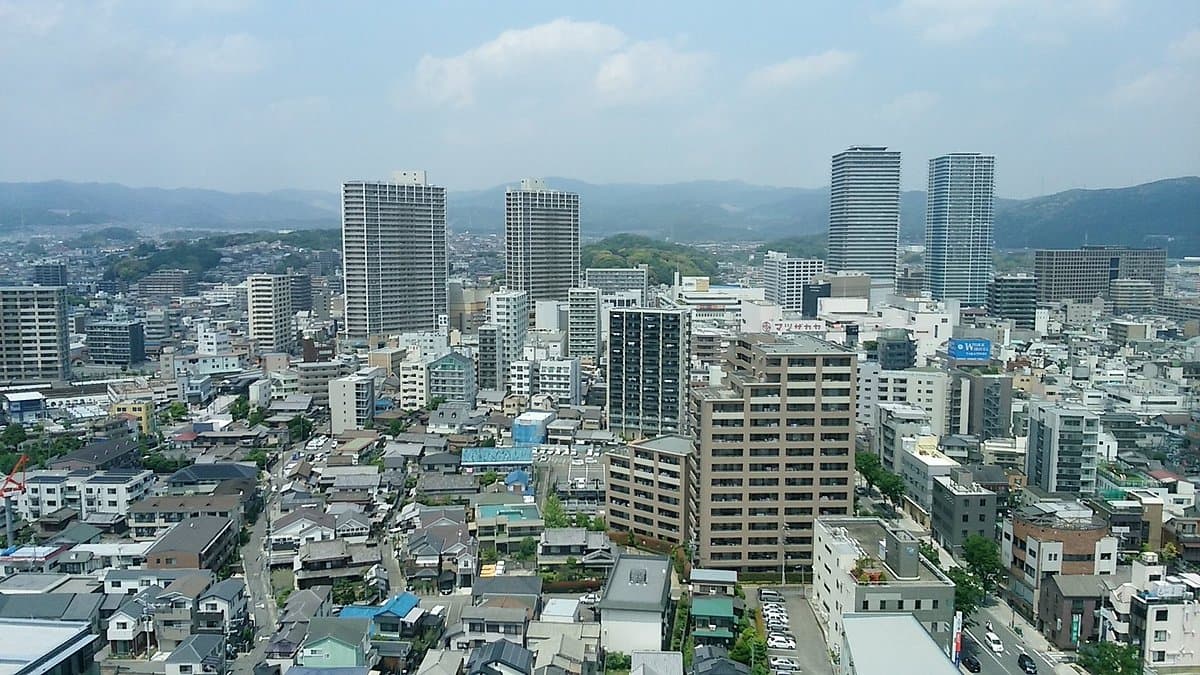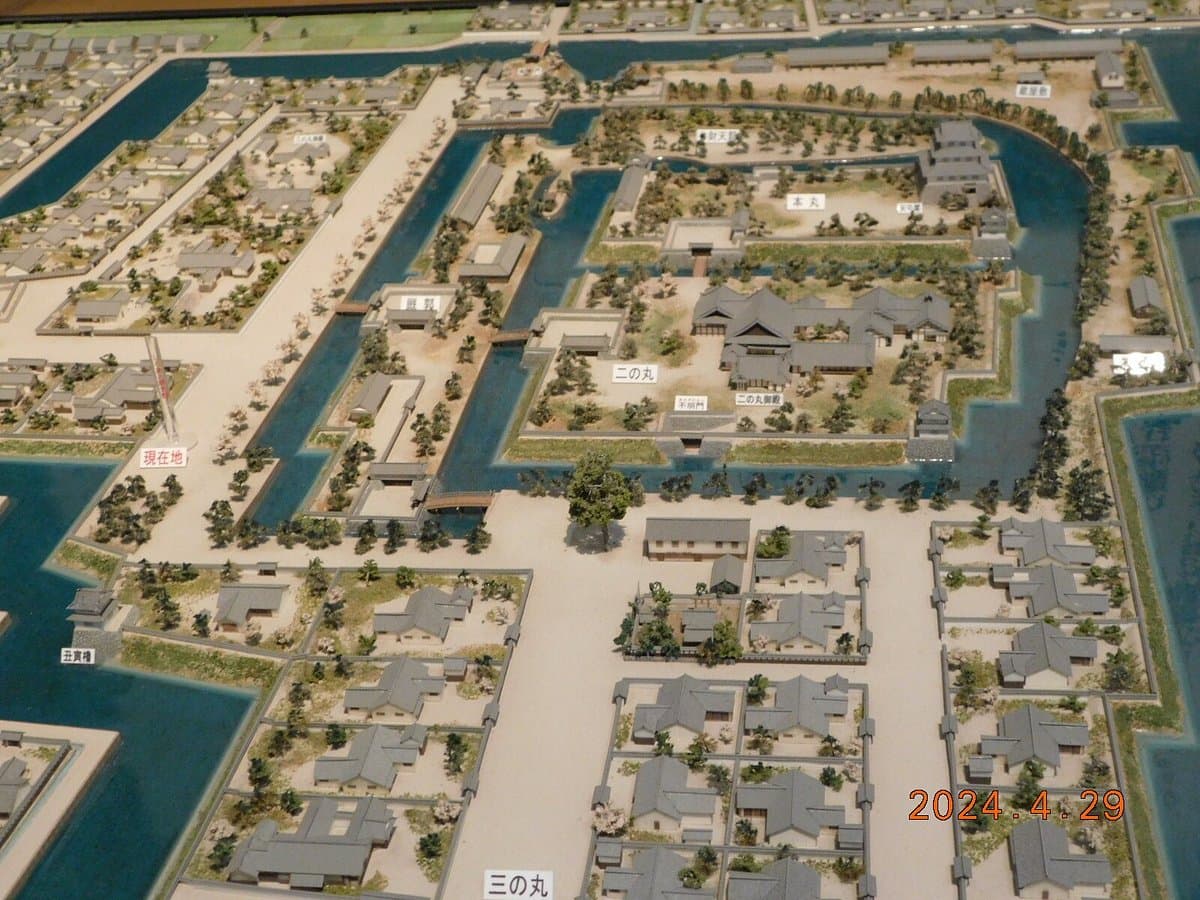
The Takatsuki City Shiroato History Museum is a local historical institution situated within the Sannomaru corner of Takatsuki Castle. It serves as a repository for artifacts and information detailing the history of Takatsuki, including its significant castles like Takatsuki Castle and Akutagawa Castle, as well as insights into the daily lives of its inhabitants from the Edo period onwards. The museum plays a role in connecting visitors to the broader historical landscape of the region, including ancient imperial tombs and Japan's oldest pottery factories.
Visitors consistently praise the museum for its free admission, which makes it an accessible cultural experience. Many reviewers highlight the opportunity to delve into local history, noting that the exhibits provide context for other heritage sites in the area. The museum is often described as quiet, allowing for a leisurely and uncrowded visit, which enhances the experience for those who prefer to explore at their own pace. Special exhibitions are also a draw, with some visitors timing their visits to coincide with specific displays of literature, martial arts, and crafts.
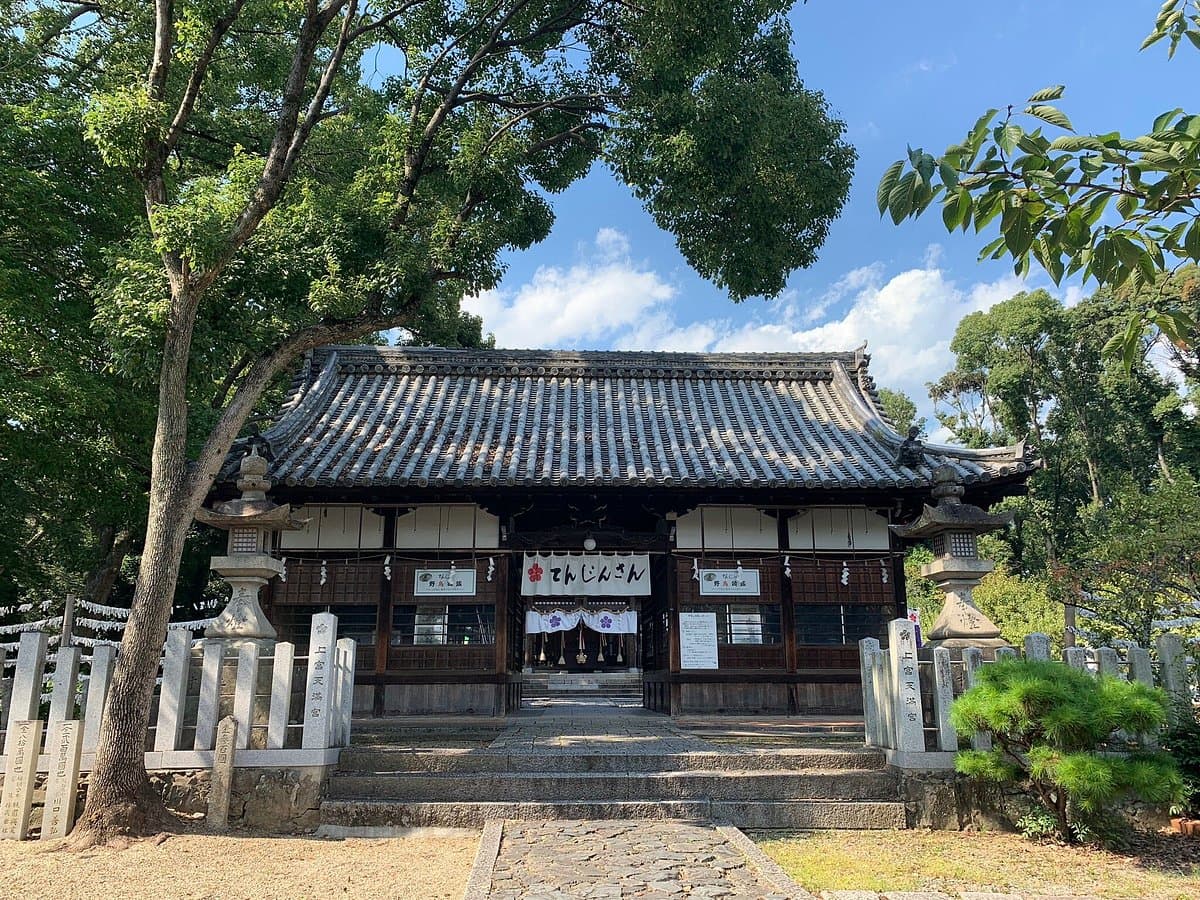
For a fulfilling visit, history enthusiasts should allocate at least an hour or two to fully appreciate the exhibits. The museum is particularly appealing to those with a keen interest in Japanese history, especially the Edo period and local regional developments. Since admission is free, it's an excellent option for budget-conscious travelers. Visitors suggest combining a trip to the museum with other local attractions, such as the Nomi Shrine, especially if there are events happening concurrently.
The museum is located at 1-7 Jonaicho, Takatsuki, Osaka Prefecture. While specific public transport details are not frequently mentioned in reviews, its location within the former castle grounds suggests it is likely accessible via local bus services or a reasonable walk from the nearest train station in Takatsuki. Visitors often combine their visit with other local sights, implying a walkable or easily navigable area.
Common complaints are not widely reported, likely due to the museum's free entry and focused scope. However, visitors who are not deeply interested in local Japanese history might find the exhibits less engaging. To mitigate this, it is advisable to research the current exhibitions beforehand to ensure they align with personal interests.