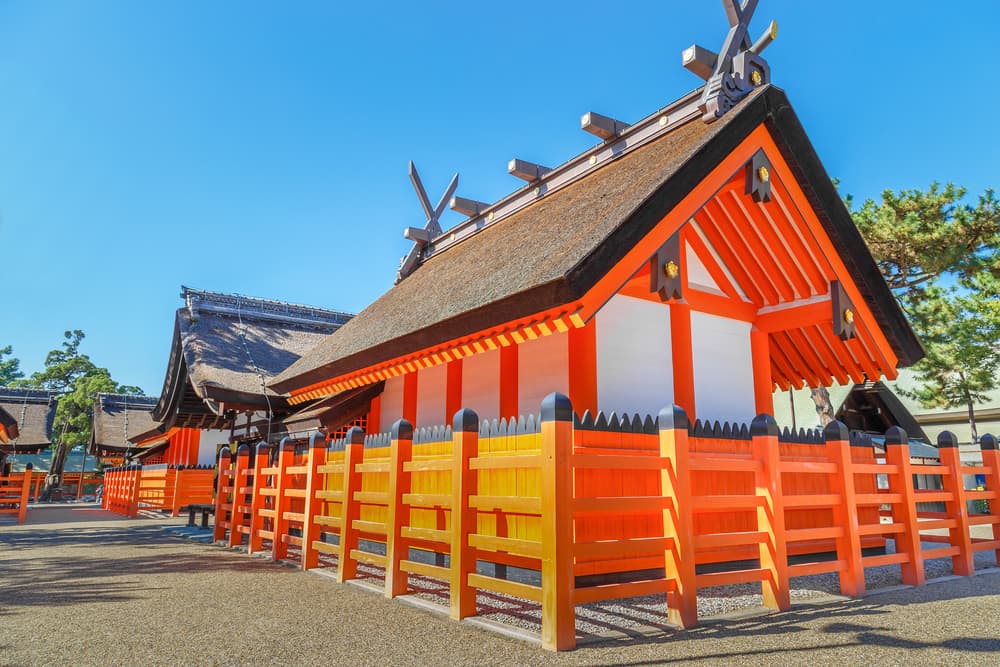
Sumiyoshi Taisha is one of Japan's oldest Shinto shrines, with a history spanning over 1,800 years, and serves as the head shrine for all Sumiyoshi shrines nationwide. It is dedicated to the gods of the sea and navigation, making it a historically significant site. The shrine's architecture, known as Sumiyoshi-zukuri, is considered a national treasure and predates Buddhist influences, offering a rare glimpse into ancient Japanese shrine design.
Visitors consistently highlight the shrine's tranquil and peaceful atmosphere, often noting the absence of large tourist crowds, which allows for a more authentic and reflective experience. The iconic red arched Sorihashi Bridge is a major draw, frequently cited as a beautiful photo opportunity, especially with its reflection in the water. Many reviewers appreciate the expansive, well-maintained grounds, which include numerous smaller shrines, ancient trees, and hundreds of stone lanterns. The opportunity to witness traditional Japanese weddings or other ceremonies is also a frequently mentioned positive experience, adding to the cultural immersion.
To make the most of your visit, allocate about 1 to 2 hours to explore the grounds thoroughly. The best time to visit is during a weekday morning to enjoy maximum tranquility, though even on weekends, it tends to be less crowded than other Osaka attractions. Reviewers suggest taking your time to wander, soak in the peaceful ambiance, and observe the details of the architecture and natural surroundings. Don't rush through the smaller shrines; many visitors find hidden gems like the 'Godairiki' stones for good luck. While the main shrine is free to enter, consider bringing some small change for offerings or to purchase omamori (charms).
Sumiyoshi Taisha is easily accessible by public transport. Many visitors recommend taking the Hankai Tramway, which stops directly outside the shrine at Sumiyoshitorii-Mae Station. This tram ride itself is often described as a charming experience. Alternatively, you can take the Nankai Main Line to Sumiyoshitaisha Station, which is also just a short walk away. For those coming from Namba, the Nankai train is a direct and convenient option. Driving is less recommended due to potential parking difficulties, and public transport offers a more authentic local experience.
A common observation from visitors is the lack of English explanations or signage, which can make understanding the historical and cultural significance of certain areas challenging. To mitigate this, consider researching the shrine's history and specific points of interest beforehand, or download a translation app. Some find the shrine 'unexceptional' compared to more elaborate ones in Kyoto; however, its unique architecture and serene atmosphere are precisely what many others appreciate. The steepness of the Sorihashi Bridge can be challenging for some, so proceed with caution, especially if it's wet.