What This Place Is
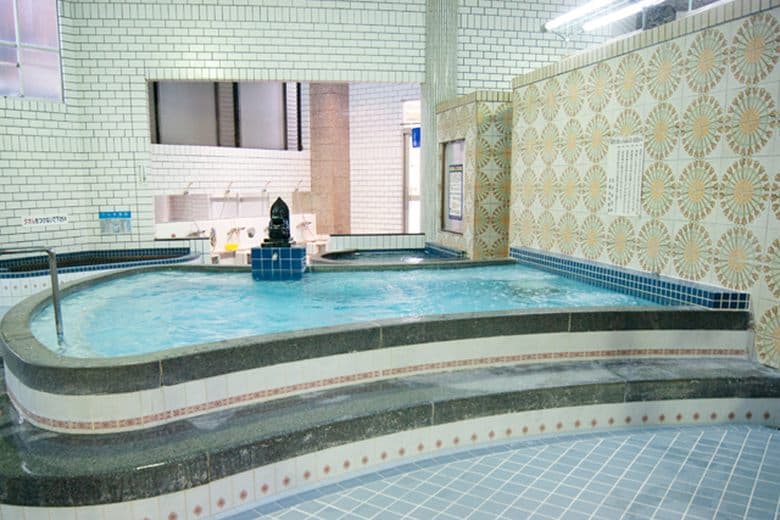
Radium Onsen is one of Osaka's oldest bathhouses, established in 1952, and represents a fascinating historical artifact of early 20th-century wellness beliefs. The bathhouse features multiple bathing options including traditional hot baths, carbonated baths, cold baths, and an electric bath where bathers receive mild electrical stimulation. The main draw is the outdoor radium bath, filled with water sourced from radium ore mined from the now-closed Ningyotoge mine. This bathhouse offers an authentic, if unconventional, window into Japanese onsen culture and the era when radium was marketed as a cure-all.
What Visitors Experience
Visitors consistently note that Radium Onsen attracts primarily older Japanese patrons seeking therapeutic benefits, creating an authentic local atmosphere rather than a tourist spectacle. The bathhouse maintains traditional onsen etiquette and gender segregation. The radium bath itself is located outdoors, and while the concept may seem alarming to modern sensibilities, the radiation dose is minimal—comparable to the exposure received during a long-haul flight. The onsen suggests drinking the water for added medicinal value, though this carries higher radiation exposure risk and is not recommended. The overall experience is low-key and focused on wellness rather than novelty tourism.
Practical Advice for Visitors
Plan to spend 1.5 to 2 hours at the bathhouse. Before visiting, watch a video on proper onsen etiquette, as this is strictly enforced. Bring a small towel and toiletries; most onsen provide basic amenities but it's wise to bring your own. The entrance fee is approximately 500 yen, making it an affordable experience. Avoid the radium bath if you have any health concerns or are pregnant; while the dose is low, discretion is advisable. The best time to visit is mid-morning or early afternoon on weekdays, when the bathhouse is less crowded. Do not drink the radium water despite the onsen's suggestion—the radiation exposure, though still low, is unnecessary. Wear appropriate footwear that can be easily removed, as you will need to go barefoot in the bathing areas.
Getting There
Radium Onsen is located in Osaka and is accessible by public transport. The nearest train station is Tsuruhashi Station on the Kintetsu Nara Line, approximately a 10-15 minute walk from the bathhouse. From central Osaka, take the Kintetsu Nara Line toward Nara and exit at Tsuruhashi. The walk from the station involves navigating local streets; it's advisable to use Google Maps or a similar navigation app with the bathhouse's coordinates (34.652631, 135.506637) to ensure you find the correct entrance. If driving, parking is available on-site or nearby, though street parking in the area can be limited. Public transport is recommended as it avoids parking hassles and is the typical way locals access the bathhouse.
Common Concerns and Mitigation
The primary concern for most visitors is radiation safety. It's important to understand that the radium bath's radiation dose is minimal and well below dangerous levels—the onsen has operated safely for over 70 years with no documented health incidents. The dose is genuinely comparable to cosmic radiation exposure during a flight. However, if you have specific health concerns, are pregnant, or have a compromised immune system, it's prudent to skip the radium bath and enjoy the other bathing options instead. The bathhouse can be crowded during peak hours (late afternoon and evening), so visiting mid-morning or early afternoon on weekdays provides a more relaxed experience. Language can be a barrier, but the staff are accustomed to visitors and basic gestures and pointing suffice for navigation.