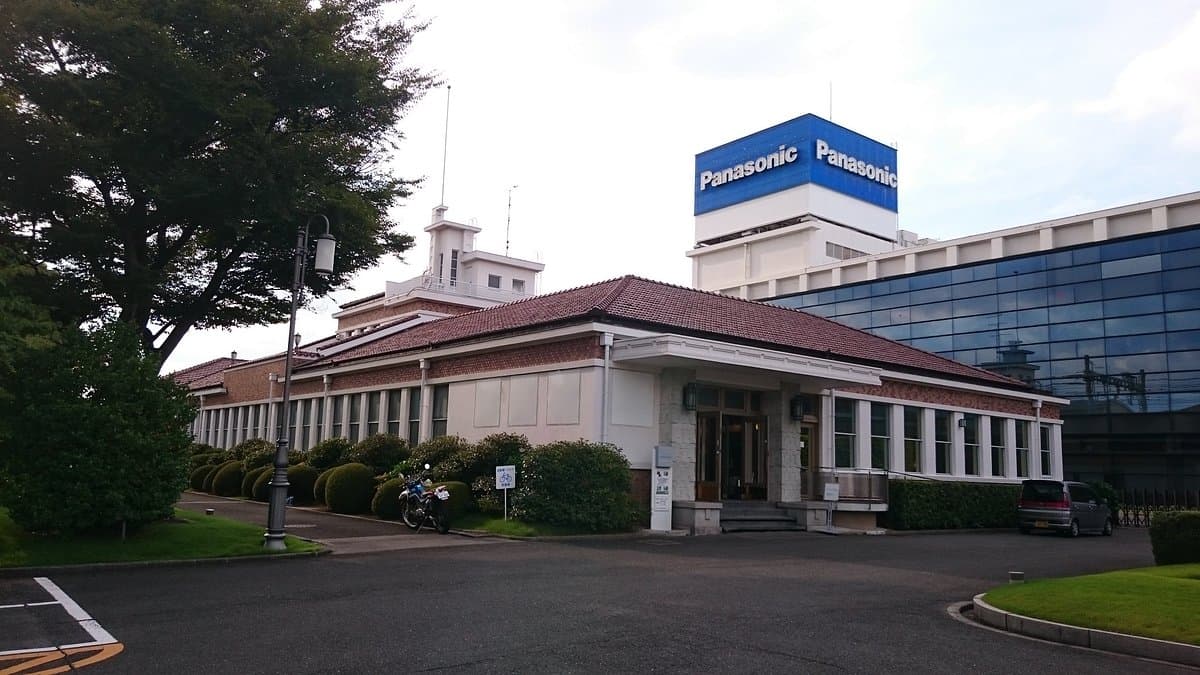
The Panasonic Museum is a tribute to the visionary Konosuke Matsushita, founder of Panasonic, and chronicles the company's profound impact on technology and industry. It's not just a corporate museum; it's a journey through Japan's industrialization, showcasing how one man's innovations shaped modern life. The museum is divided into several sections, including the Matsushita Konosuke History Museum, the Manufacturingism Museum, and Sakura Square, offering a comprehensive look at the brand's legacy.
Visitors consistently praise the museum's impressive curation and the detailed storytelling of Matsushita's life and achievements. Many find the extensive collection of appliances and electronics from the 1920s onwards particularly engaging, noting how it reflects the broader history of Japanese industry. Reviewers often describe it as an "undiscovered gem," highlighting the quality and depth of the exhibits. The museum's ability to connect Panasonic's history with personal memories of growing up with Japanese electronics is a recurring positive theme.
To make the most of your visit, allocate at least 2-3 hours to explore all sections thoroughly. The museum is free to enter, making it an excellent value. It's particularly recommended for those with an interest in technology, business history, or Japanese innovation. Consider visiting during weekdays to avoid potential crowds, although reviewers generally note it's not overly busy. There are no specific items to bring, but a camera might be useful for capturing the vintage electronics.
The Panasonic Museum is located at 1006 Kadoma, Kadoma, Osaka Prefecture. While specific public transport details are not consistently mentioned in reviews, its location in the Ximenzhen district, where Panasonic Group companies are gathered, suggests it's accessible within the Osaka metropolitan area. Tourists should plan their route using local train lines to Kadoma and then potentially a short walk or local bus, as is common for corporate campuses in Japan. Driving information is not prominent in visitor feedback, implying public transport is the primary mode of access.
Common complaints are rare, but some visitors might find the focus on corporate history less engaging if they are not specifically interested in the subject matter. To mitigate this, approach the museum with an open mind, appreciating it as a window into a significant aspect of Japanese economic and technological development rather than just a collection of old appliances.