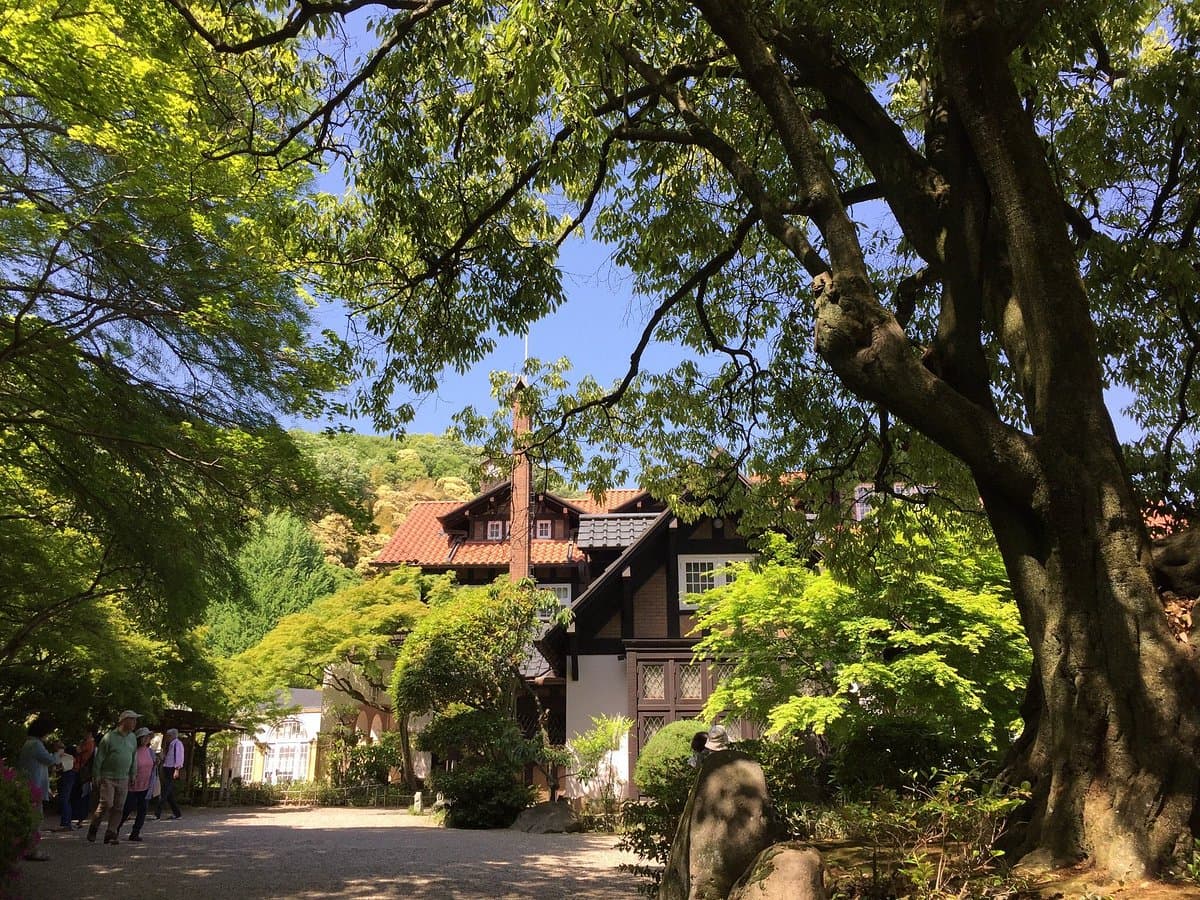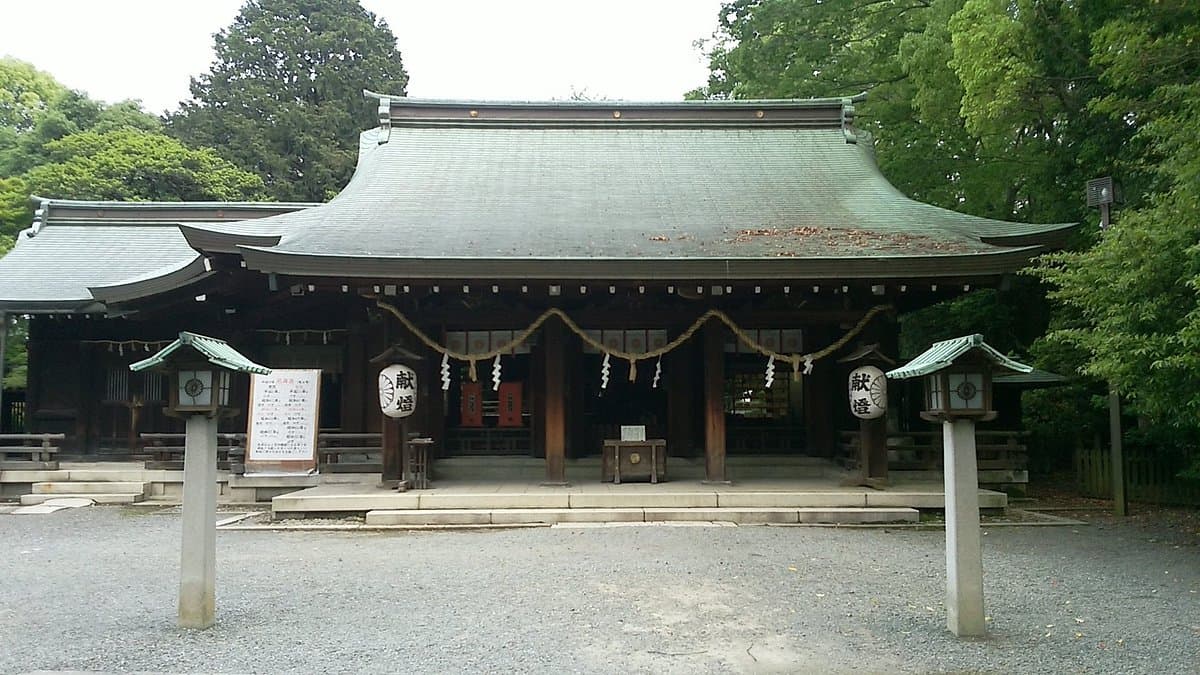
Minase Jingu Shrine holds a unique place in Japanese history as the only Jingu (a shrine dedicated to the imperial family) in Osaka Prefecture and one of only 24 nationwide. It is also recognized as one of Japan's top 100 water spots, suggesting a connection to natural springs or water features. The shrine is dedicated to Emperor Go-Toba, Emperor Tsuchimikado, and Emperor Juntoku, who were exiled after the Jokyu War.
Visitors consistently describe the shrine as a peaceful and historically rich location. While not a major tourist hub, those who visit often appreciate its quiet ambiance and the opportunity to witness traditional events, such as tea ceremonies, which occasionally take place on the grounds. Reviewers note that the shrine offers a glimpse into a more authentic, less commercialized aspect of Japanese culture, particularly if one is interested in imperial history or traditional arts.
For a meaningful visit, allocate approximately 1 to 2 hours to explore the grounds and absorb the atmosphere. The best time to visit would be during a special event, such as a tea ceremony, which can enhance the cultural experience. Otherwise, a weekday morning might offer the most tranquility. There are no specific items to bring beyond comfortable walking shoes and perhaps a camera.
Minase Jingu Shrine is located in Shimamoto-cho, Osaka Prefecture. While specific public transport details are not frequently mentioned in reviews, its location suggests it might be accessible via local train lines followed by a walk or short bus ride. For those driving, the address is 3-10-24 Hirose, Shimamoto-cho. Parking availability is not explicitly stated in reviews, but smaller shrines often have limited or no dedicated parking, so checking local resources or planning for nearby public parking would be advisable.
Common complaints are not widely reported, likely due to the shrine's less-frequented nature. However, visitors should manage expectations regarding the scale of the attraction; it is a historical shrine, not a sprawling complex. Those expecting grand, bustling temples might find it understated. To mitigate this, approach the visit with an appreciation for its historical significance and serene environment rather than seeking a major spectacle.