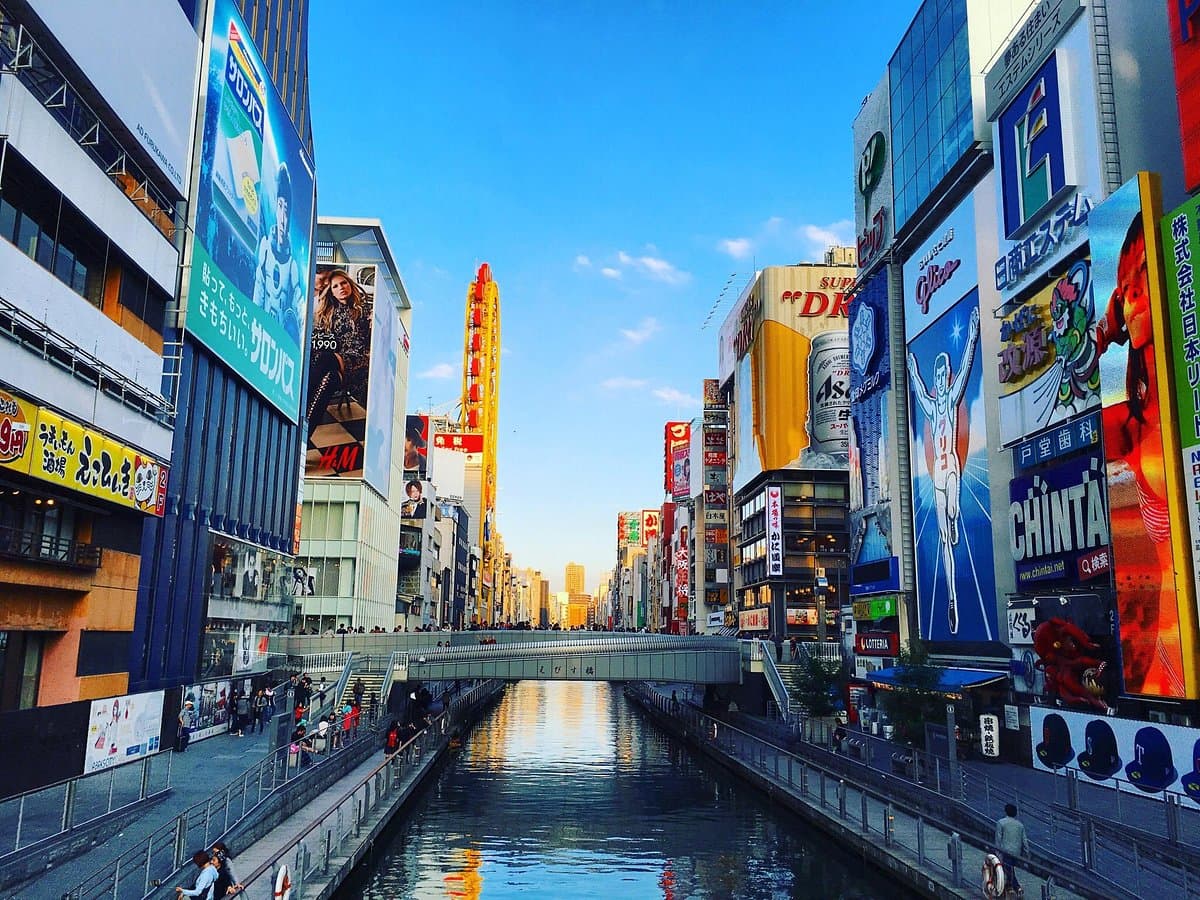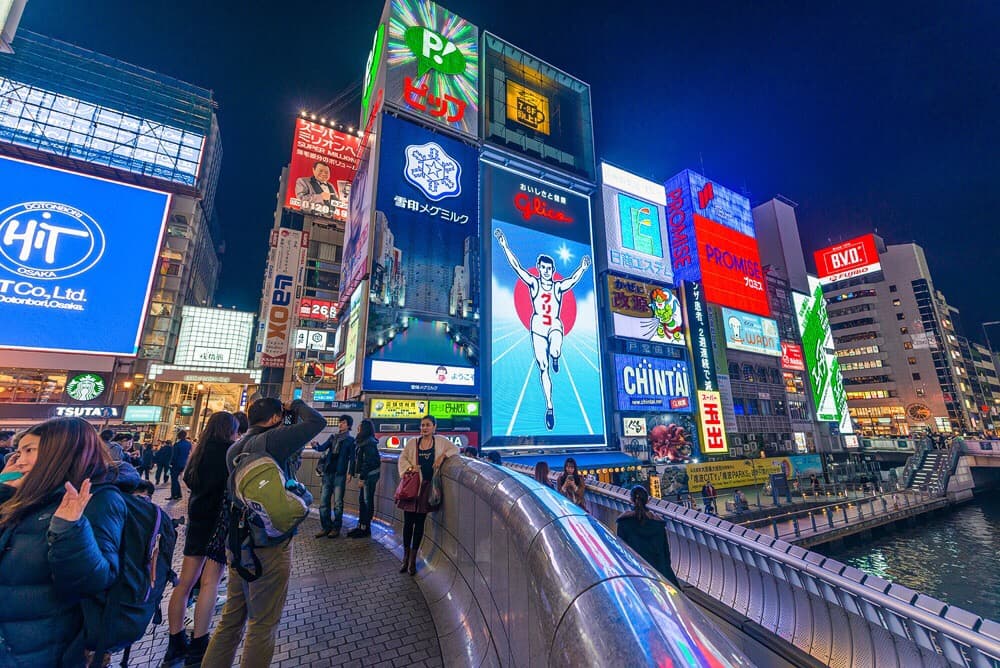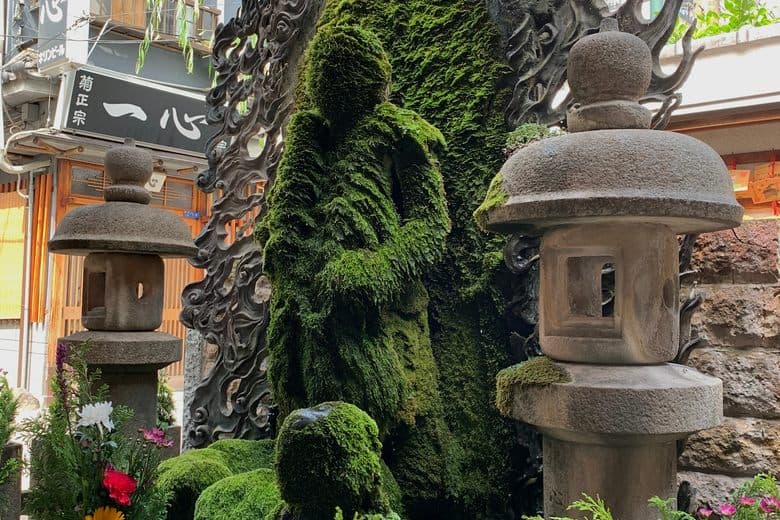
The Fudo Myo-o Statue, located within the small Hozenji Temple, is a significant cultural and spiritual landmark in Osaka. Built in 1637, the temple and its statue are notable for being one of the few historic structures in the area to have survived the bombings of World War II. The statue itself, dedicated to Fudo Myo-o, one of the five Wisdom Kings in Japanese Buddhism, is particularly striking due to its thick, lush green moss covering, a result of centuries of ritualistic water splashing.
Visitors consistently praise the statue's unique appearance and the tranquil atmosphere it provides amidst the vibrant energy of Dotonbori. Many find the act of splashing water on the statue to make a wish to be a memorable and engaging experience, offering a tangible connection to Japanese spiritual practices. The contrast between the bustling surroundings and the temple's quietude is frequently highlighted as a key draw, making it a popular spot for reflection and a brief respite.
To fully appreciate the Fudo Myo-o Statue, visitors should plan to spend about 30 minutes to an hour. The best time to visit is either early morning or late evening to avoid larger crowds and experience a more contemplative atmosphere. There is no entry fee to the temple grounds or to see the statue. Visitors should bring a small towel or be prepared to use the provided ladles for splashing water, as this is central to the experience. It's advisable to wear comfortable shoes as the temple is often combined with a walk through the Dotonbori area.
The Hozenji Temple is conveniently located in the heart of the Dotonbori district. It is easily accessible by public transport. The nearest subway stations are Namba Station (various lines including Midosuji, Yotsubashi, Sennichimae) and Shinsaibashi Station (Midosuji, Nagahori Tsurumi-ryokuchi Line). From Namba Station, the temple is approximately a 5-10 minute walk. From Shinsaibashi Station, it's about a 10-15 minute walk. Look for the narrow alleyways off the main Dotonbori thoroughfare that lead to the temple. Driving is not recommended due to limited parking and heavy pedestrian traffic in the area.
While most visitors have positive experiences, some mention that the temple area can feel very small and crowded, especially during peak tourist times. To mitigate this, consider visiting during off-peak hours, such as early morning or later in the evening. Additionally, some first-time visitors might not immediately understand the ritual of splashing water; observing others or reading the available signage can help clarify the practice.