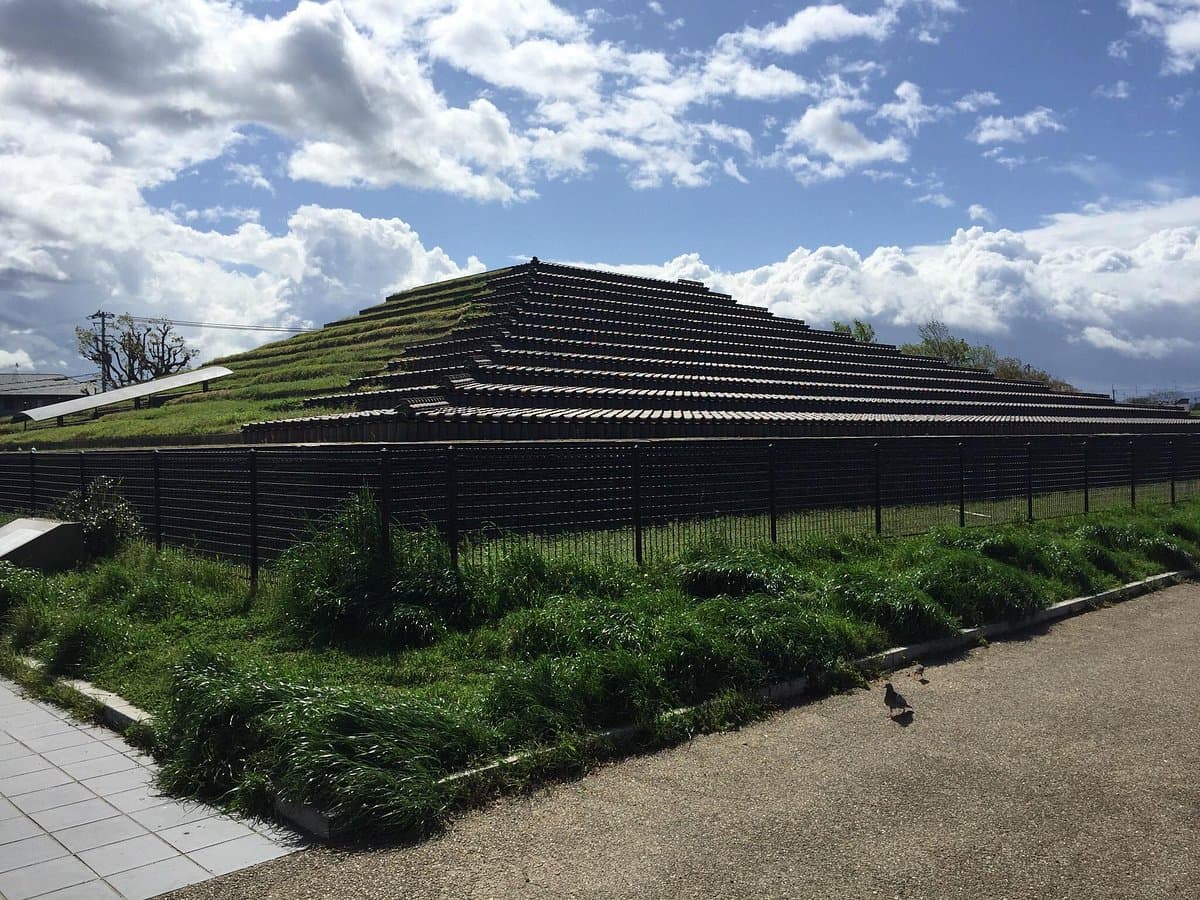
Doto, or the "clay tower," is a historical site in Sakai, Osaka, notable for its unique shape and ancient origins. It is believed that the Buddhist priest Gyoki began its construction in 727. While its exact purpose and original thirteen-layered form are not fully understood, it represents a significant piece of ancient Japanese religious history and is now situated within Doto Park.
Visitors often appreciate the opportunity to see a structure with such a distinct form, which is considered unique in Japan. Reviewers also enjoy exploring the surrounding Doto Township, noting its narrow, crooked old streets and traditional Japanese houses. These streets offer a glimpse into the area's agricultural past, providing a sense of historical continuity that complements the ancient pagoda.
For a visit, plan to spend about 30-60 minutes exploring the pagoda and the immediate park area. An additional hour could be spent wandering through the old streets of Doto Township if you are interested in local historical architecture. There are no specific items to bring, but comfortable walking shoes are advisable for navigating the old streets. The site is best visited during daylight hours, and there are no reported crowds, making it a peaceful experience at any time.
Doto is located at 2143-1 Dotocho, Naka-ku, Sakai, Osaka Prefecture. While specific public transport details are not consistently mentioned in reviews, Sakai City is well-connected by train from Osaka. From major stations in Sakai, local buses or a short taxi ride would likely be required to reach Doto Park. Visitors should check local transport maps for the most direct route to Dotocho.
Common complaints are not explicitly detailed in reviews, but the site's somewhat enigmatic nature regarding its original purpose and limited interpretive information might leave some visitors wanting more context. To mitigate this, consider researching Gyoki and the history of ancient Japanese pagodas before your visit to enhance your understanding and appreciation of Doto.