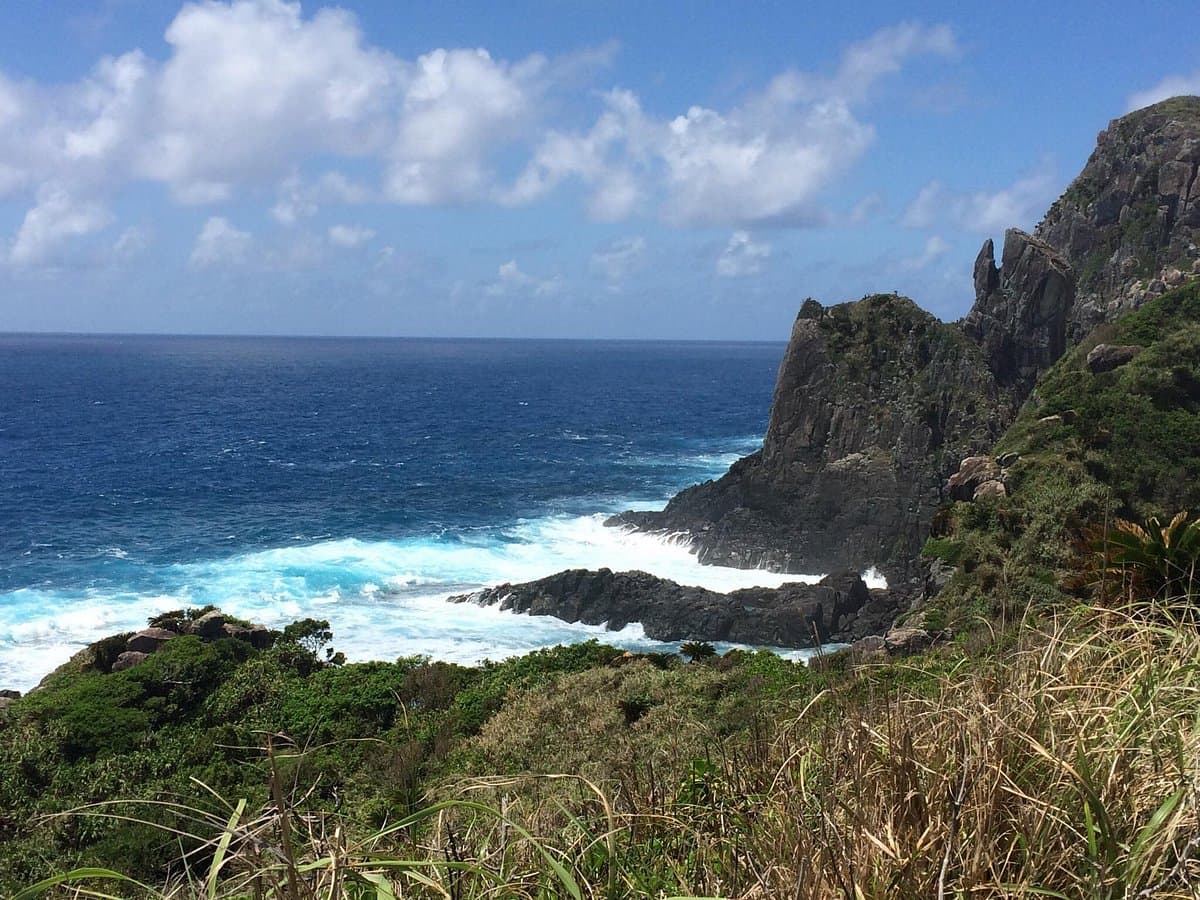
Kumejima Island, located off the main island of Okinawa, is a significant destination for those seeking a more authentic and tranquil Okinawan experience. It is renowned for its pristine natural beauty, including the iconic Hate-no-Hama beach, unique geological formations, and a rich local culture that remains largely untouched by mass tourism.
Visitors consistently praise Kumejima for its peaceful ambiance and the abundance of natural attractions. Many highlight the stunning beaches, excellent snorkeling opportunities, and the friendly nature of the locals. Reviewers often mention the island's less commercialized feel, which allows for a more immersive experience. The island offers a variety of activities, from exploring caves and castles to enjoying tidal pools and scenic drives. However, some visitors note that while the island is tropical, it doesn't quite match the exotic feel of places like Mauritius, with its interior featuring hilly terrain and sugarcane fields. Footwear for the beach is highly recommended due to coral fragments.
To make the most of a visit, it's advisable to rent a car, as public transportation options are limited, and many attractions are spread out. Several reviewers mention that a car is essential for exploring the island's diverse sights. A stay of two to three days is often recommended to fully appreciate Kumejima's offerings, including a day trip to Hate-no-Hama. Early morning flights from Naha are suggested to maximize time, especially if planning a Hate-no-Hama tour on the arrival day. While some accommodations and restaurants might be less accustomed to non-Japanese speaking guests, the overall hospitality is generally positive.
Kumejima is accessible by a 40-minute flight from Naha, making it relatively easy to reach despite its 'out-of-the-way' reputation. For those planning a trip to Hate-no-Hama, boats depart from "Tomari Fisharena," Kume Island’s port, with a travel time of approximately 20 minutes. The island also has two Family Mart convenience stores, which are useful for essentials and affordable meals.
A common complaint among some visitors is the weather, particularly during certain months like May, which can impact beach activities. While the island offers many traditional Japanese retail stores and supermarkets with reasonably priced goods, the range of dining options might be more limited compared to larger cities. To mitigate potential language barriers, having a translation app or basic Japanese phrases can be helpful, especially outside of major hotels.