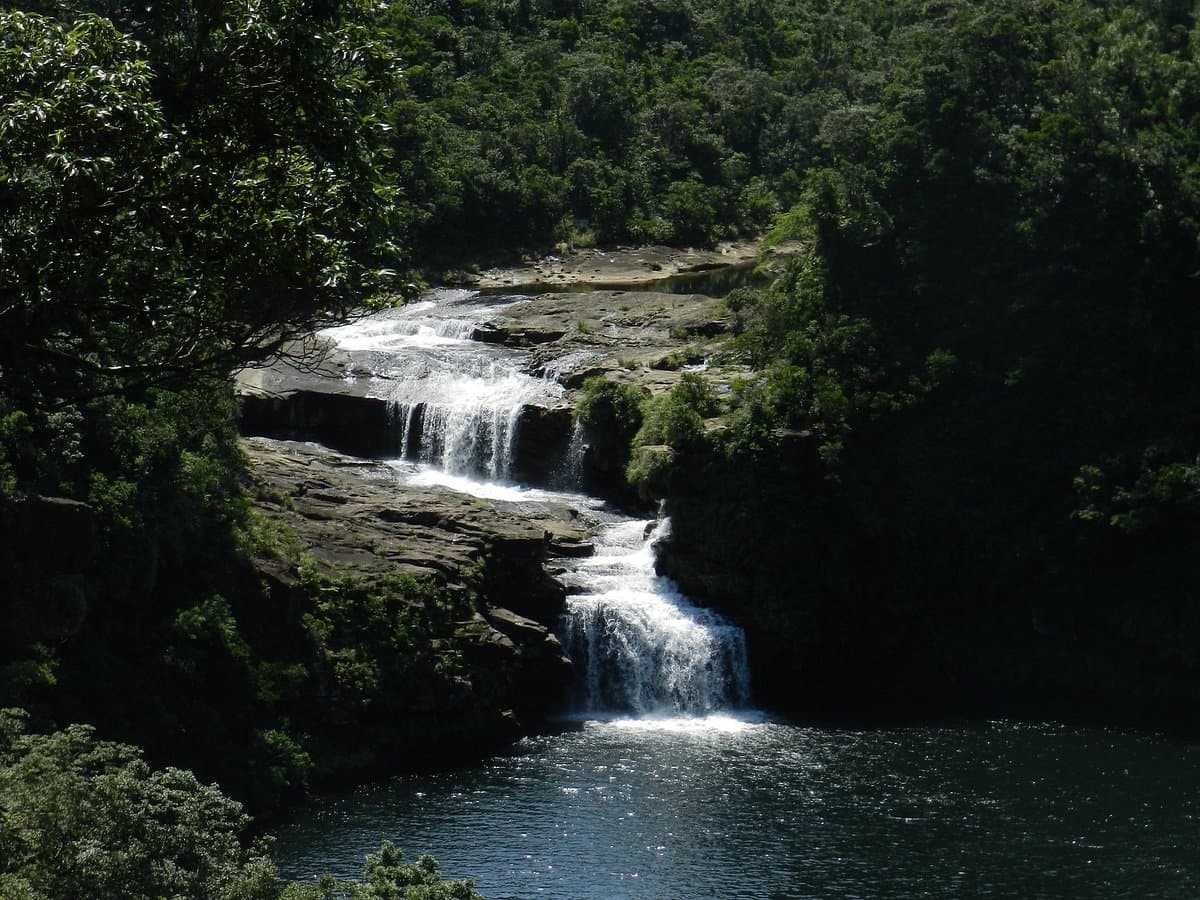
Iriomote Island, often dubbed the "Galapagos of Japan," is the second-largest island in Okinawa Prefecture and a UNESCO World Heritage site. It stands out for its vast, untouched subtropical rainforests, extensive mangrove ecosystems, and rich biodiversity, including the elusive Iriomote wildcat. Unlike more developed Japanese destinations, Iriomote offers an immersive experience into raw nature, making it a significant draw for eco-tourists and adventure seekers.
Visitors consistently praise the island's stunning natural beauty, highlighting the clear ocean waters, lush mangroves, and impressive waterfalls. Many reviewers describe the island as "unspoiled" and a "wild place," appreciating the peaceful, non-commercial atmosphere. Popular activities include kayaking through mangrove tunnels, hiking to scenic waterfalls, and snorkeling or diving in vibrant coral reefs. The opportunity to see unique wildlife like coconut crabs, Ryukyu wild boars, and sea turtles is a recurring highlight. However, some visitors note the presence of plastic waste on certain beaches, which is a common issue for remote islands.
To make the most of your visit, plan for at least two to three days, as many feel a day trip is insufficient to appreciate the island fully. Renting a car is highly recommended, as public transport is infrequent (buses run every 4 hours) and taxis are few and expensive. An international driving license is essential for car rentals. For those without a car, booking guided tours that include hotel pickup and transportation is a viable alternative. Bring insect repellent, sun protection, and appropriate footwear for hiking and water activities. While the Iriomote wildcat is nocturnal and rarely seen, keeping an eye out for other unique flora and fauna will enhance your experience.
Iriomote Island is accessible by a 30-45 minute speed boat ferry from Ishigaki Island. Ishigaki has an airport, making it the primary gateway. There are two main ports on Iriomote: Uehara in the north and Ohara in the south. Reviewers suggest checking with hotel staff or the ferry terminal from 6 AM daily for sailing conditions, especially during typhoon season. The northern port, Uehara, is often favored by visitors. Once on the island, a rental car provides the most flexibility for exploring, given the limited public transport and the island's size. Some tours also offer pick-up services directly from the ferry ports.
A common complaint is the limited public transportation and the necessity of a rental car, which can be a hurdle for those without an international driving license. To mitigate this, consider pre-booking tours that include transportation or staying in accommodations that offer shuttle services. Another concern is the occasional beach pollution; while most beaches are pristine, some areas might have washed-up debris. Choosing guided tours often leads to cleaner, more maintained areas, and supporting local eco-tourism initiatives can help address this issue.