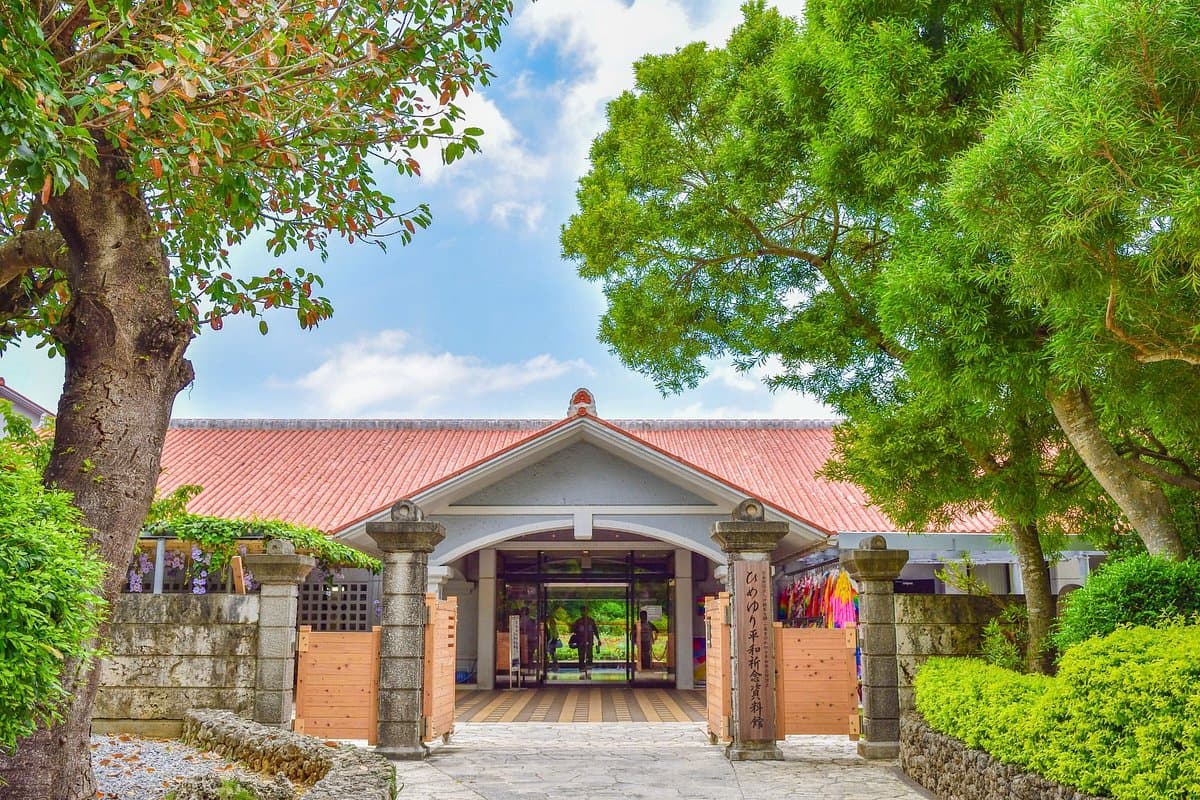
The Himeyuri Peace Museum stands as a powerful memorial to the Himeyuri Student Corps, a group of 222 schoolgirls and 18 teachers from two Okinawan high schools who were conscripted to serve as nurses for the Japanese Imperial Army during the brutal Battle of Okinawa in 1945. This museum is crucial for understanding the immense human tragedy and unique suffering experienced by Okinawan civilians, particularly young women, during World War II.
Visitors consistently praise the museum for its sensitive yet unflinching portrayal of events. Many reviewers highlight the effectiveness of the exhibits, which include personal artifacts, photographs, and video testimonies from survivors, in conveying the girls' daily lives before the war and the horrific conditions they endured in makeshift cave hospitals. The museum is noted for its ability to evoke strong emotions, with many finding it deeply touching and thought-provoking. Several visitors appreciate that the museum provides extensive English explanations, including laminated books of survivor testimonials, making the experience accessible and impactful for international guests. The narrative is presented in a way that avoids being overly graphic but still conveys the profound misery and sacrifice.
To fully absorb the museum's content, visitors recommend allocating at least 1.5 to 2 hours, especially if reading all the available information and testimonials. Many suggest visiting in the morning or early afternoon to allow ample time without feeling rushed, as some reviewers mentioned needing to leave halfway due to time constraints. Bringing tissues is advisable, as the emotional impact can be significant. While the museum is not large, its content is dense and requires thoughtful engagement. It is often recommended to visit this museum in conjunction with other peace-related sites in Okinawa, such as the Peace Memorial Park and the Japanese Naval Underground Headquarters, to gain a comprehensive understanding of the Battle of Okinawa.
The Himeyuri Peace Museum is easily accessible by public transport. Reviewers specifically mention bus route 82, which stops approximately 30 meters from the entrance to the site. For those driving, free parking is available. The museum is located at the back of the site where the Himeyuri Monument stands, and the surrounding area includes memorials and a cave that was used as a field hospital, which are also worth exploring. The museum's location within the broader peace park complex makes it a convenient stop for a day dedicated to historical reflection.
A common observation from visitors is the emotional weight of the museum's content, with some finding it thoroughly depressing. While this is an intended effect given the subject matter, visitors should be prepared for a somber experience. Some reviewers also note that photography is not permitted inside the museum, which, while not a complaint, is a practical detail to be aware of. Despite the sadness, the overwhelming sentiment is that the museum is an essential and valuable visit for its educational and commemorative importance.