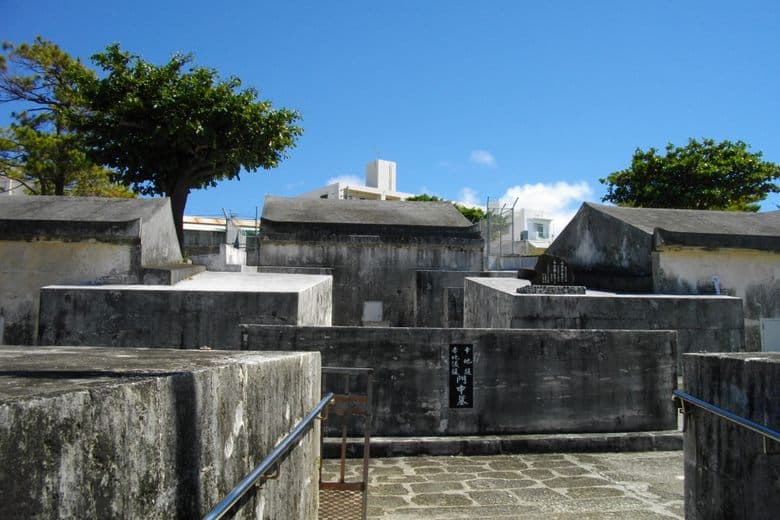
The Communal Grave of Kochibara and Akahigibara Clans in Itoman, Okinawa, represents a significant cultural landmark, embodying the unique Okinawan concept of munchū – communities united by shared paternal ancestry. This massive mausoleum, sprawling over an acre, serves as the final resting place for approximately 5,000 individuals from the Kōchi and Akahigi clans over the past 300 years. It provides a tangible connection to Okinawa's distinct genealogical and burial traditions, which differ significantly from those on mainland Japan.
Visitors consistently find the scale and historical depth of the gravesite impressive, noting its serene atmosphere. The complex is composed of a main mausoleum, known as toshi, and four sub-graves called shiruhirashi. The practice involves an initial three-year burial in the shiruhirashi, followed by the washing of remains and their relocation to the main toshi. This intricate process highlights the profound respect for ancestors and the enduring nature of family bonds within Okinawan culture.
For those interested in local customs and history, a visit offers a quiet, reflective experience. It's recommended to allocate about 30 minutes to an hour to respectfully explore the site. There are no specific items to bring, but comfortable walking shoes are advisable. The best time to visit would be during daylight hours, avoiding the midday heat if possible. As it is a place of remembrance, visitors should maintain a respectful demeanor.
The tombs are described as a fairly easy trip from the city center of Itoman. While specific public transport details are not readily available in reviews, Itoman is accessible by bus from Naha. Visitors driving can likely find parking nearby, though this is not explicitly mentioned in the provided data. It's always advisable to check local transport schedules or use a navigation app for the most current travel information.
Common complaints are not noted, as the site is generally appreciated for its cultural significance and peaceful environment. However, visitors should be mindful that it is an active burial ground and maintain appropriate reverence. There are no facilities on-site, so plan accordingly.