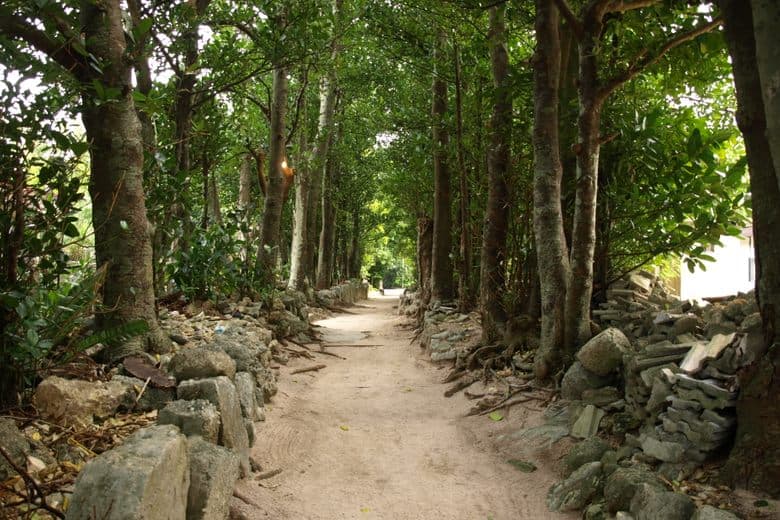
Bise Village, located in the northern Kunigami district of Okinawa's main island, is a unique and historically significant settlement renowned for its traditional Okinawan architecture and the distinctive fukugi tree-lined paths. These dense, verdant trees were traditionally planted as natural windbreaks to protect homes from typhoons, and today they create a tranquil, tunnel-like environment that offers a glimpse into a bygone era of Okinawan village life.
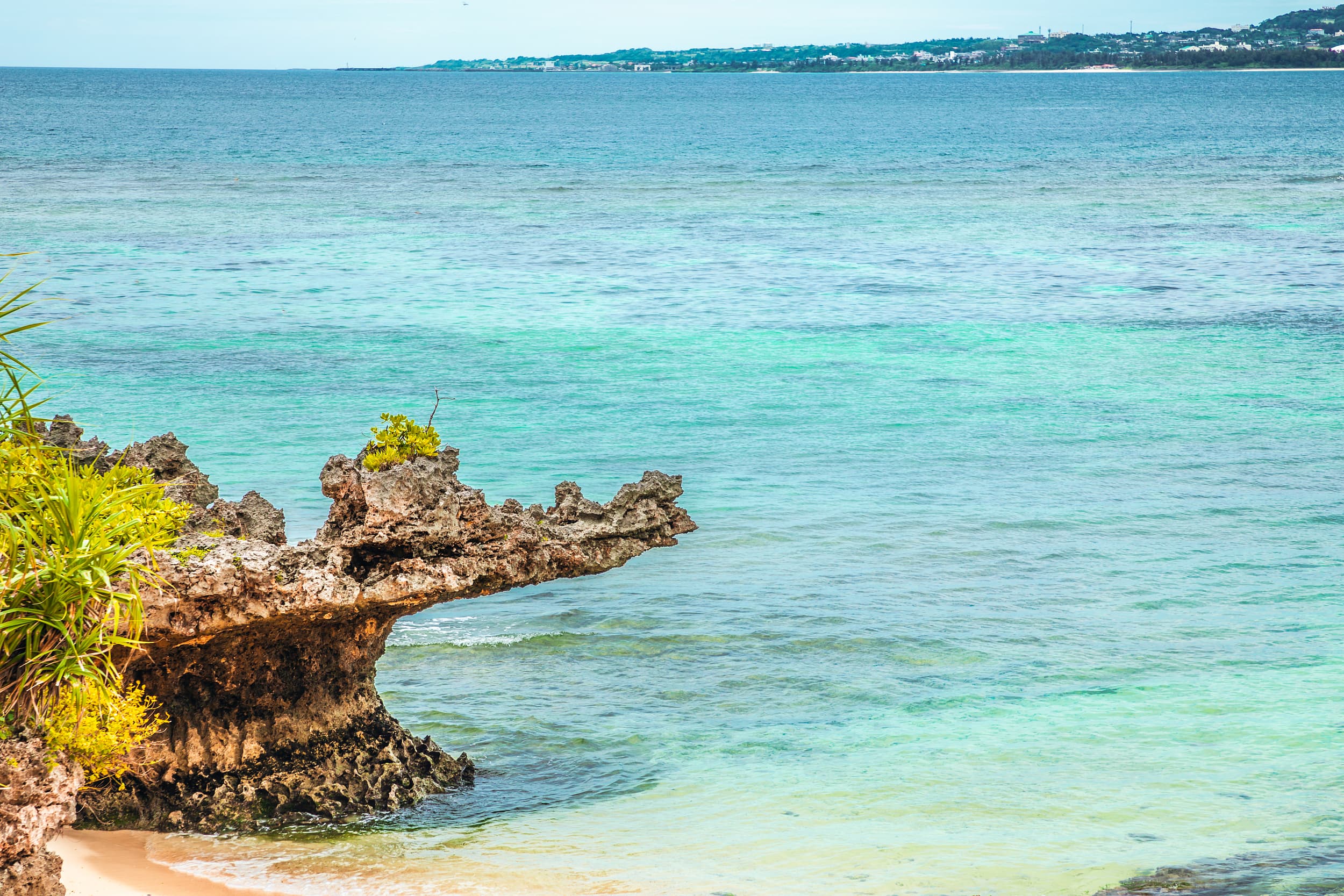
Visitors consistently praise the village for its peaceful and relaxing atmosphere, often describing it as a "green tunnel" that provides a welcome respite from the heat. The opportunity to walk or cycle through these shaded paths, discovering traditional homes with their orange roof tiles and shisa lion statues, is a major draw. Many appreciate the sense of stepping back in time and the quiet charm of the village, noting the sound of the wind in the leaves and the occasional glimpse of the ocean at the end of a path. Reviewers frequently highlight the photographic opportunities, especially the interplay of light and shadow among the trees and the traditional architecture.
To make the most of your visit, plan to spend approximately 1 to 2 hours exploring the village on foot or by rented bicycle. Early mornings or late afternoons are recommended to avoid the midday heat and larger crowds, enhancing the peaceful experience. Wear comfortable walking shoes, and consider bringing insect repellent, especially during warmer months. While there are a few small cafes and shops, it's advisable to bring your own water. Respect for local privacy is paramount, as this is a living village, not just a tourist attraction.
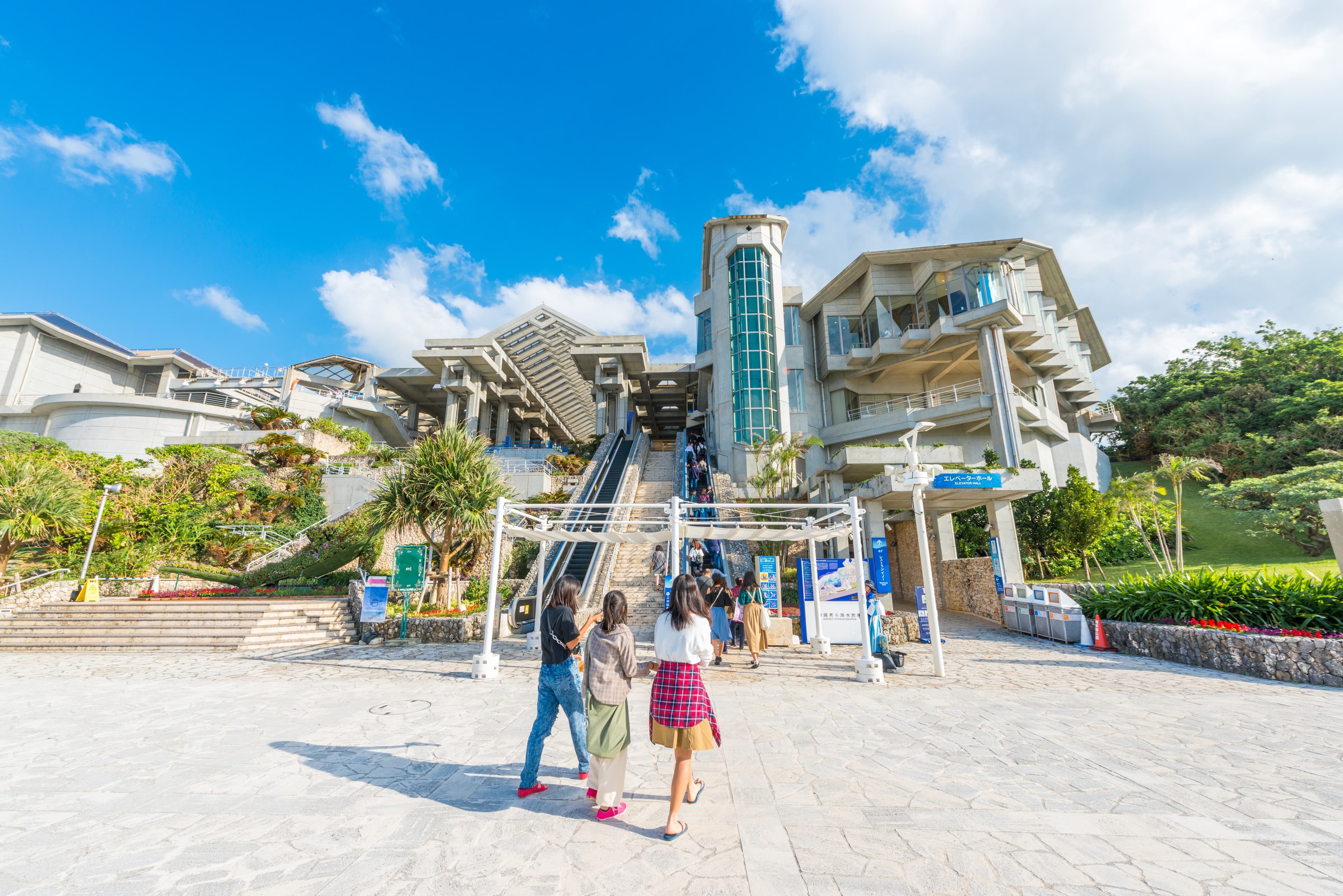
Bise Village is best accessed by car, as public transport options to this specific area can be limited. It is situated just north of the Churaumi Aquarium, making it a convenient stop if you are already visiting that popular attraction. Parking is generally available near the village entrance or designated areas. The paths within the village are sandy and narrow, suitable for walking and cycling.
A common complaint among some visitors is the lack of extensive commercial facilities or overt tourist attractions, which can lead to a feeling of "not much to do" for those expecting a more bustling experience. To mitigate this, approach Bise Village as a place for quiet contemplation, cultural observation, and a leisurely stroll rather than an activity-packed destination. Embrace the slow pace and the natural beauty to fully appreciate its unique charm.