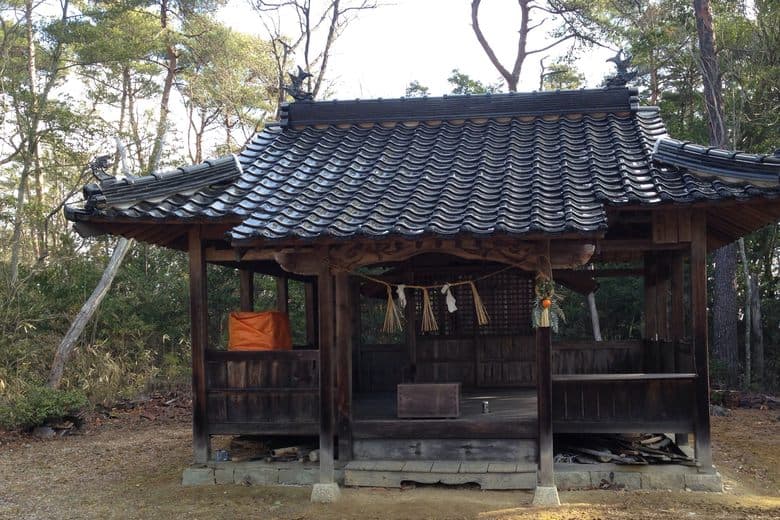
Mahō Jinja, known as the 'Magical Shrine,' is an intriguing and somewhat mysterious place of worship located on a forested hilltop in Okayama Prefecture. Unlike most Japanese shrines, it lacks the traditional torii gate and lion-dog statues, reflecting its unique dedication to Mahō-sama, a local manifestation of the legendary raccoon-dog god, Kyūmō-danuki. This deity is said to have arrived in Japan in the late 16th century, promising protection to the townsfolk in exchange for their reverence.
Visitors who seek out this shrine are often drawn by its unusual backstory and its serene, secluded atmosphere. The primary appeal lies in its historical and folkloric significance rather than grand architecture or bustling crowds. Reviewers frequently highlight the sense of discovery and tranquility found in this hidden gem, appreciating the opportunity to connect with a lesser-known aspect of Japanese mythology. However, several visitors note the shrine's remote location and lack of amenities, emphasizing that it is a destination for those specifically interested in its unique narrative.
Practical advice for visiting Mahō Jinja includes wearing comfortable shoes suitable for walking on uneven forest paths, as the shrine is situated on a hilltop. There are no shops or facilities nearby, so it is advisable to bring your own water and any snacks. The visit itself is relatively short, likely taking no more than 30-60 minutes to explore the shrine grounds. The best time to visit would be during daylight hours, particularly in spring or autumn, to enjoy the natural surroundings without extreme heat or cold. Given its remote nature, it is not a place to rush, but rather to experience at a leisurely pace.
Reaching Mahō Jinja requires some planning due to its secluded location. While specific public transport details are scarce in visitor reviews, the shrine is deep in the forest of Okayama Prefecture, suggesting that a car is the most practical mode of transport. Visitors should expect to drive to the vicinity and then likely walk a short distance up to the hilltop. Parking information is not readily available, so be prepared for potentially limited options.
A common 'complaint' or rather, an expectation to manage, is the shrine's simplicity and lack of typical shrine grandeur. Those expecting a large, ornate complex might be disappointed. To mitigate this, approach the visit with an appreciation for its historical narrative and natural setting, understanding that its 'magic' lies in its story and seclusion rather than its physical impressiveness.