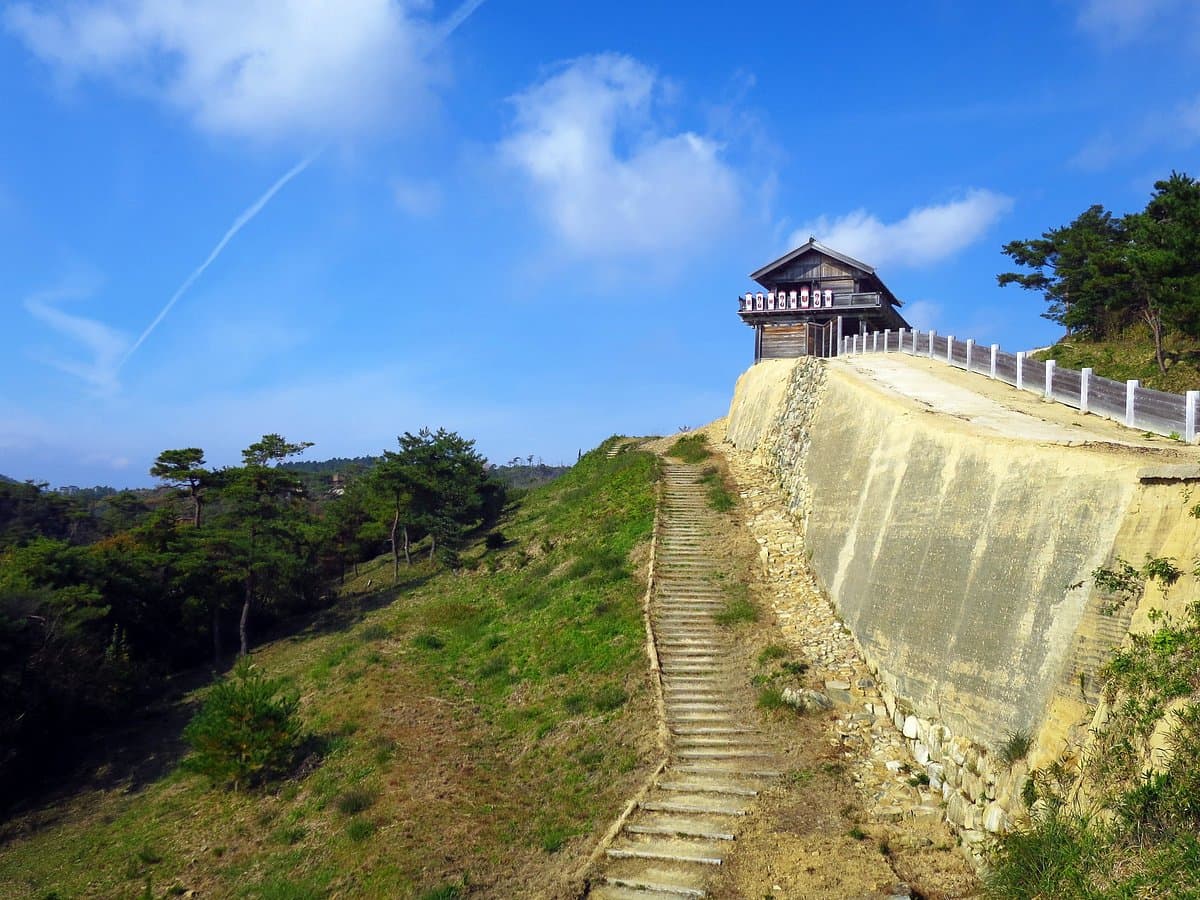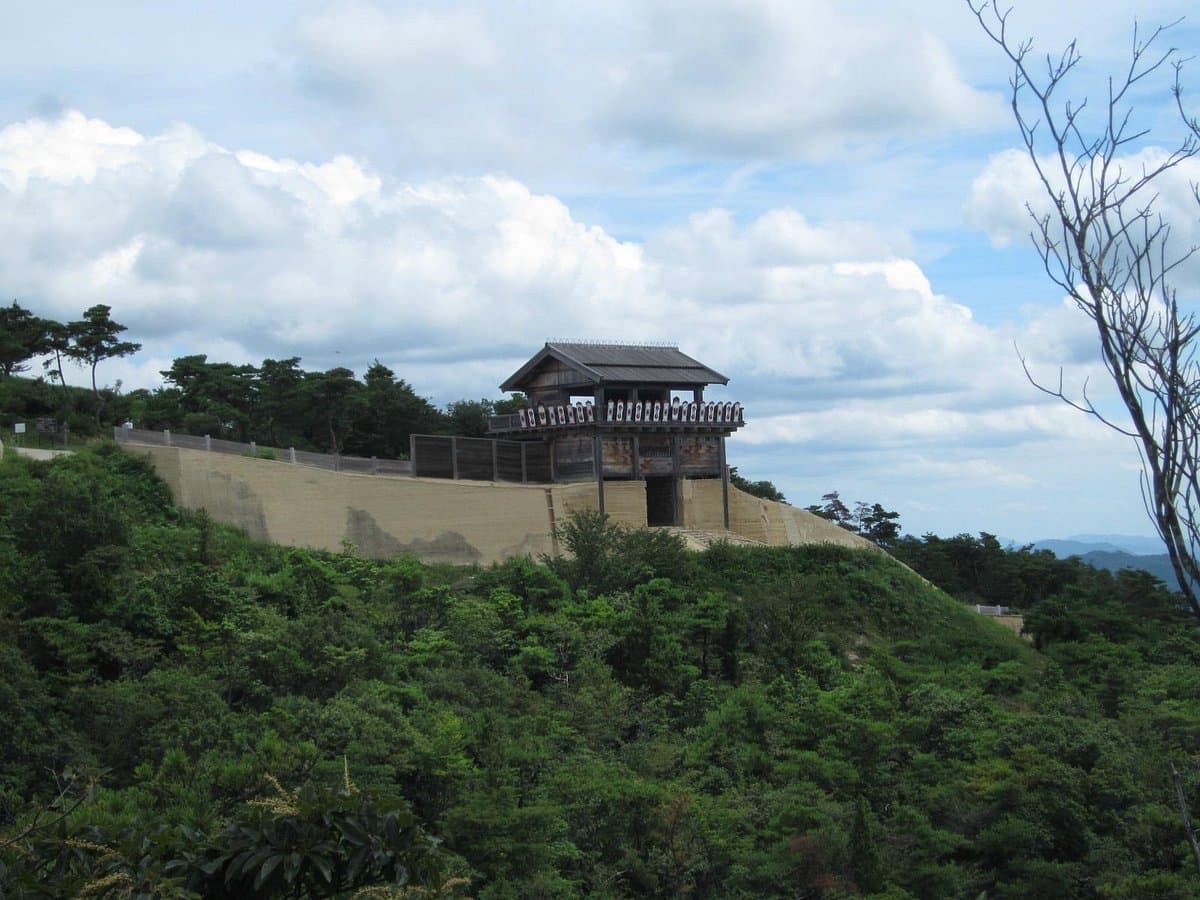
Kinojo Iwaya is an archaeological site representing one of the ancient mountain castles constructed across western Japan by the Yamato Imperial Court. These fortresses, dating back to the 7th and 8th centuries, were strategically built to defend the country against potential invasions from Tang China and Silla Korea. While sometimes associated with the popular Momotaro legend, its primary historical significance lies in its role as a defensive structure that was eventually abandoned and largely forgotten.
Visitors consistently note the historical depth of the site, appreciating the opportunity to connect with a period of Japanese history focused on national defense. The remote and natural setting is also frequently praised, offering a tranquil experience away from urban centers. However, some visitors mention that the remnants are primarily earthworks and foundations, requiring a degree of imagination to fully appreciate the former scale of the castle.
To make the most of a visit, it is advisable to wear comfortable walking shoes as the terrain can be uneven. Bringing water and snacks is also recommended, especially during warmer months, as amenities are limited on-site. An estimated visit duration of 1-2 hours allows ample time to explore the main areas and absorb the atmosphere. Visiting during the cooler months of spring or autumn can enhance the experience, avoiding the summer heat and humidity.
Kinojo Iwaya is located in a somewhat rural area. While specific public transport options are not frequently detailed in reviews, reaching the site typically involves a combination of train and local bus or a taxi from a nearby station like Soja. Driving is often the most convenient option for many, with parking available near the entrance. It is recommended to check local bus schedules in advance if relying on public transportation, as services may be infrequent.
A common complaint among visitors is the lack of extensive interpretive signage in English, which can make it challenging to fully understand the historical context without prior research or a guide. To mitigate this, it is highly recommended to read up on the history of Kinojo Iwaya and ancient Japanese mountain castles before your visit. Additionally, the site's remote nature means limited facilities, so planning ahead for food, drink, and restrooms is advisable.