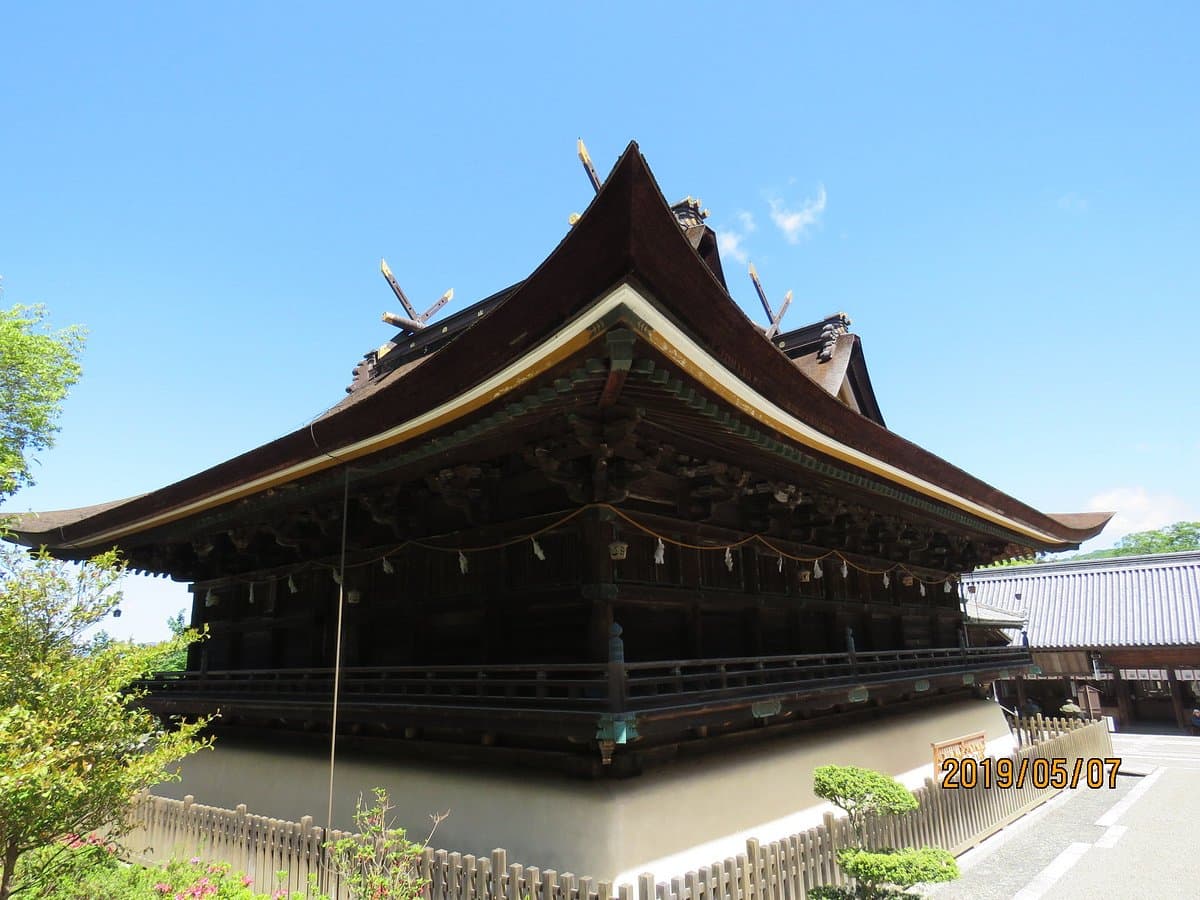
Kibitsu Shrine is a historically significant Shinto shrine located in Okayama, renowned for its unique architectural style, known as Kibitsu-zukuri, featuring a distinctive double-gable roof. It is also famous for its exceptionally long covered corridor, which stretches for hundreds of meters, and its association with the Momotaro legend. The shrine offers a glimpse into ancient Japanese traditions and architecture, making it a notable cultural asset.
Visitors consistently praise the shrine's tranquil and solemn atmosphere, noting it's a peaceful escape from more crowded tourist spots. Many are impressed by the sheer scale and beauty of the main shrine buildings and the extensive grounds, which include well-maintained gardens and smaller shrines. The long covered corridor is a particular highlight for many, offering a unique architectural experience and photo opportunities. Reviewers often mention the pleasant stroll through the complex, highlighting its suitability for quiet contemplation and appreciation of traditional Japanese design.
To make the most of your visit, allocate 1 to 2 hours to explore the main shrine, the long corridor, and the surrounding grounds. Early mornings are recommended for a more serene experience, as the shrine tends to be less crowded. Comfortable walking shoes are advisable due to the extensive walking paths and some steep steps at the main entrance. While there isn't a dedicated museum, the historical significance and architectural details provide ample points of interest. Consider bringing a Goshuincho (temple book) if you collect temple stamps, as many visitors enjoy obtaining the calligraphy here.
Kibitsu Shrine is accessible via the Momotaro Line from Okayama Station. Take the train to Kibitsu Station; the journey takes approximately 20 minutes. From Kibitsu Station, the shrine is about a 10-15 minute walk. Reviewers note that while the walk is pleasant, English signage from the station can be limited, so having a map or using a navigation app is helpful. For those driving, there are large, free parking lots available, making it a convenient option for car travelers. Some visitors also enjoy cycling to the shrine as part of the Kibi bicycle way.
A common observation from some visitors is that, for those unfamiliar with Shinto shrines, Kibitsu might feel like "just another shrine" without prior understanding of its unique architectural features or historical context. To mitigate this, it's recommended to read up on the Kibitsu-zukuri style and the Momotaro legend before your visit to fully appreciate its distinctiveness. While the main entrance involves steep steps, there is also a long sloping corridor that can be used for exit, offering a less strenuous option.