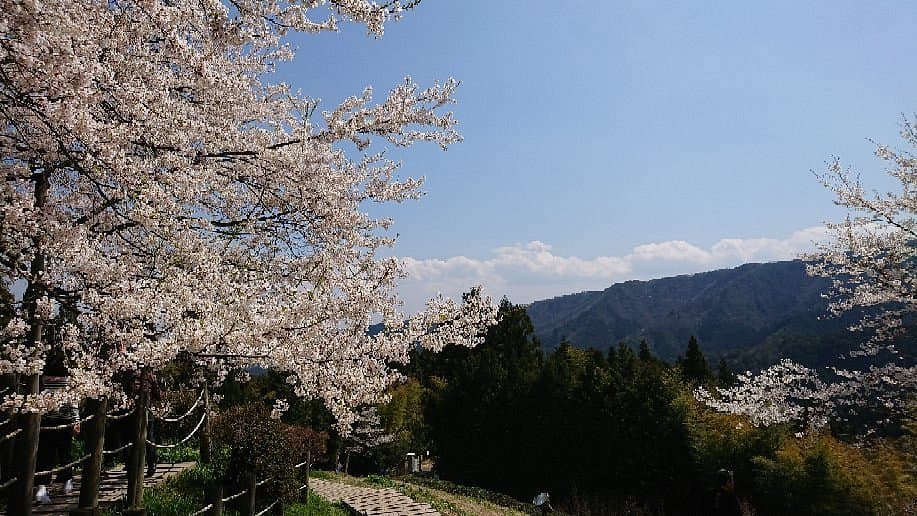
Daigo Zakura is a remarkable 1000-year-old cherry tree, a natural monument deeply rooted in Japanese history and folklore. It is said to have been named after Emperor Go-Daigo, who reportedly stopped here during his exile to Oki. This ancient tree, standing proudly on a mountain summit in Maniwa City, represents a significant cultural and natural heritage site, drawing visitors who seek both its historical resonance and its awe-inspiring beauty, especially during the cherry blossom season.
Visitors consistently praise the tree's grandeur and the sense of wonder it inspires, even when not in full bloom. Many describe it as a sight worth the effort, highlighting its unique presence in the rural landscape. The sheer age and historical significance are frequently mentioned as key draws. However, a recurring theme in reviews is the challenging access, particularly during peak season. The journey often involves significant travel time and potential traffic congestion, leading to long car queues.
To make the most of a visit, it is advisable to allocate ample travel time, especially if planning to go during the cherry blossom season. Reviewers suggest that even if the tree isn't in full bloom, its ancient stature is still impressive. Consider visiting early in the morning to avoid the worst of the crowds and traffic. Bringing comfortable walking shoes is essential, as some visitors opt to walk uphill for a considerable distance (around 40 minutes) to bypass car queues. Pack water and snacks, as amenities might be limited in this rural location.
Getting to Daigo Zakura primarily involves driving. Reviewers frequently mention long car queues, indicating that personal vehicles are the most common mode of transport. The tree is located in a rural area of Maniwa, Okayama Prefecture. While specific public transport routes are not detailed in reviews, the emphasis on car travel and queues suggests that public transport options might be infrequent or require multiple transfers, making a rental car or taxi the most practical choice for many. Be prepared for potentially long waits on access roads during peak bloom.
The main complaint revolves around the severe traffic congestion and long car queues, particularly during the cherry blossom season. To mitigate this, consider visiting during off-peak hours or slightly outside the absolute peak bloom period. Alternatively, be prepared for a significant uphill walk if you choose to park further away to avoid traffic. Checking local traffic conditions and bloom forecasts before your visit can also help in planning a smoother trip.