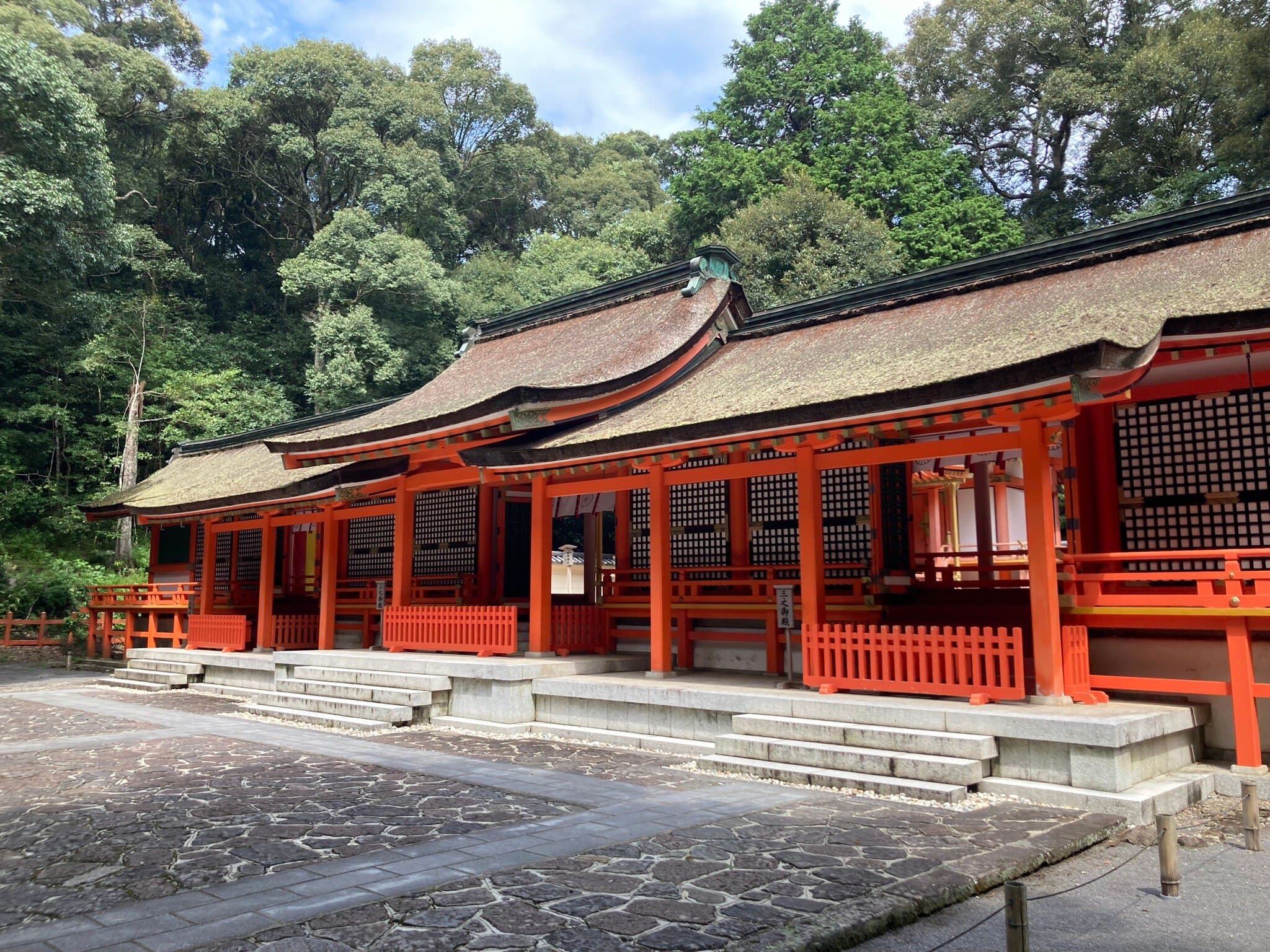
Usa Shrine (Usajingu) holds immense historical and spiritual importance as the head shrine for over 40,000 Hachiman shrines across Japan. Established in the 8th century, it is considered the birthplace of the syncretic fusion of Shinto and Buddhism, making it a pivotal site in Japanese religious history. Its grand scale and vibrant vermilion buildings, set amidst a lush, natural environment, offer a profound glimpse into Japan's ancient traditions.
Visitors frequently commend the shrine's expansive and peaceful grounds, noting the fresh air and the sense of tranquility that pervades the area. The brightly colored buildings, particularly the main hall, are often highlighted for their impressive architecture and intricate details. Many reviewers describe the experience as 'sacred' and 'soul-calming,' with some even ranking it among the best shrines in Japan. The presence of a large camphor tree, believed to grant wishes, and the Kure Bridge, add to the unique charm. While some parts, like the main hall, may be undergoing renovation, visitors still find plenty to explore and appreciate in the surrounding facilities and nature.
To make the most of your visit, allocate at least 1-2 hours to explore the extensive grounds, including both the Hongu and Gegu main buildings. Many shops near the parking lot close early, so plan your visit for the morning or early afternoon if you wish to browse. Reviewers suggest bringing comfortable shoes as there is a lot of walking and many stairs. For those with mobility challenges, a monorail and wheelchair routes are available, which visitors appreciate. The shrine is particularly beautiful during cherry blossom season in spring and when the autumn foliage is at its peak.
Getting to Usa Shrine requires some planning, especially if relying on public transport. The shrine is located between JR Nakatsu and Oita Stations, with JR Usa Station being the closest. However, limited express trains like the Sonic only stop at Usa Station once every two hours. From JR Usa Station, a local bus takes about 10-15 minutes and costs around 240 yen. Buses run approximately once an hour, and it's crucial to check the return schedule as bus services are infrequent. Importantly, these local buses typically only accept cash, not IC cards. Alternatively, a taxi from Usa Station costs about 1,400 yen. Driving is an option, and there is parking available, though some reviewers note that getting there without a car can be challenging.
A common complaint among visitors is the infrequent public transport from Usa Station, which can lead to long waits. To mitigate this, carefully plan your bus connections in advance, or consider taking a taxi for convenience, especially if traveling in a group. While the main hall may occasionally be under renovation, visitors advise focusing on the surrounding grounds, other buildings, and the natural beauty, which remain fully enjoyable.