The Hacchobaru Power Station Museum serves as an interpretive center for the Hacchobaru Geothermal Power Plant, one of Japan's largest geothermal facilities. It plays a significant role in educating the public about renewable energy and the specific methods used to harness geothermal power in the region.
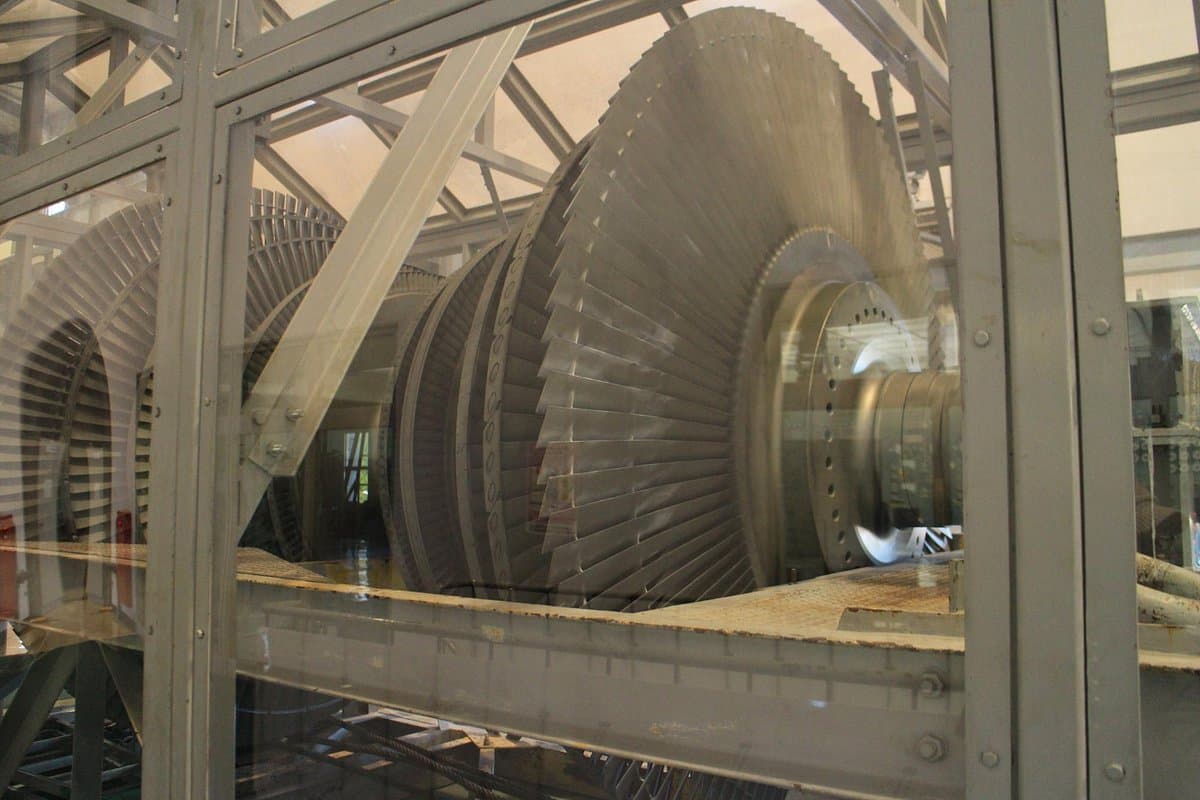
Visitors consistently praise the museum for its informative exhibits, which include detailed models and explanations of the geothermal power generation process. Many reviewers highlight the opportunity to see the actual power plant from observation decks, describing it as an impressive and educational experience. The museum is often noted for being well-maintained and providing a clear understanding of a complex topic. Some visitors appreciate that it offers a unique perspective on energy production, distinct from typical tourist attractions.
To make the most of your visit, allocate about 1 to 1.5 hours. The museum is free to enter, making it an accessible educational stop. It's particularly recommended for those with an interest in science, engineering, or renewable energy. Reviewers suggest combining a visit here with other attractions in the Kokonoe-machi area, such as the Kokonoe Yume Suspension Bridge or local hot springs, as the museum itself is relatively small. Bringing a camera is advised for capturing views of the power plant.
The museum is located in a somewhat remote area, making access primarily by car. Reviewers frequently mention that public transportation options are limited or non-existent, so driving is the most practical way to reach it. There is ample free parking available on-site. The address is 601 Hacchohara, Yutsubo, Kokonoemachi, Kokonoe-machi, Oita Prefecture. Visitors should be prepared for a scenic drive through the countryside.
A common point raised by visitors is the museum's relatively small size and the fact that all exhibits are in Japanese, with limited English translations. While some reviewers found this challenging, others noted that the visual aids and models still conveyed much of the information. To mitigate this, consider using a translation app on your phone or researching geothermal energy beforehand to better understand the context of the exhibits.