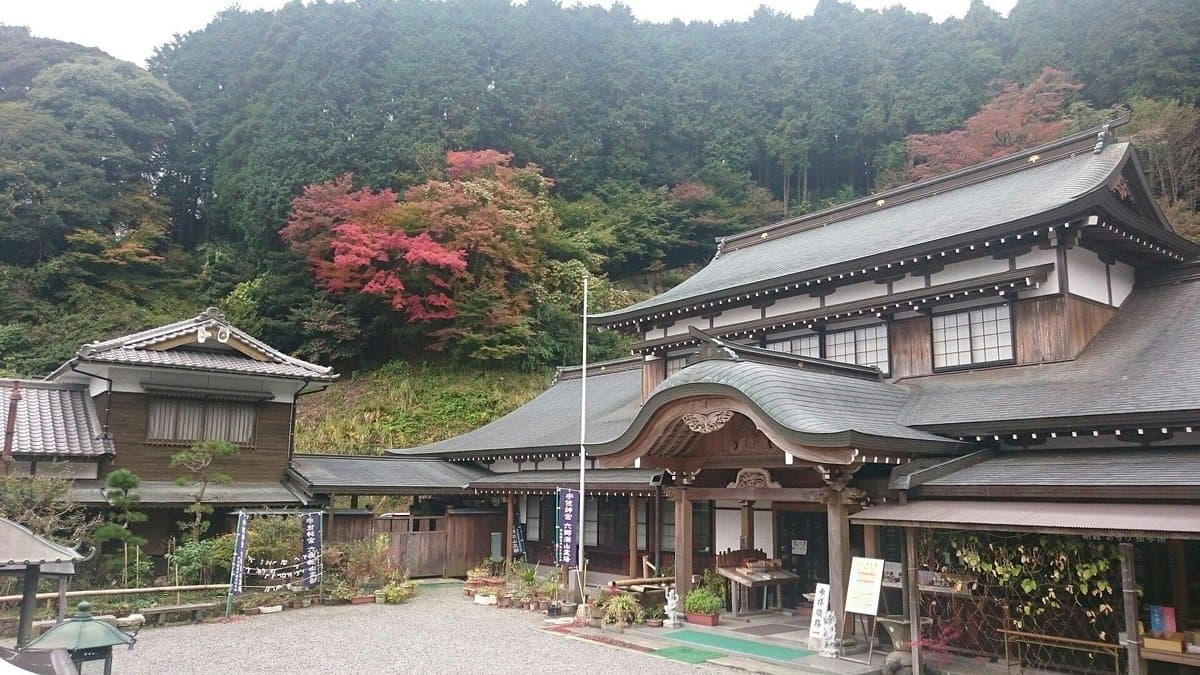
Futagoji Temple is a significant Tendai Buddhist temple located on Mount Futago, the central peak of the Kunisaki Peninsula. It is renowned for its unique blend of Buddhism, Shinto, and mountain worship traditions, embodying the distinctive 'Rokugo Manzan' culture of the region. The temple complex, with its ancient guardian statues and moss-covered grounds, offers a profound sense of history and spiritual tranquility.
Visitors consistently praise the temple's beautiful natural setting, noting the abundant shade from trees and the many paths that invite exploration. The various shades of green throughout the grounds are often described as spectacular, with many recommending climbing every set of stairs to discover hidden scenes and statues. The serene and quiet atmosphere is a recurring theme, with some visitors remarking that they felt as if they had the entire expansive complex to themselves, especially on weekdays. The guardian statues leading up to the main complex are a particular highlight for many, adding to the unique spiritual journey.
To fully appreciate Futagoji, visitors should allocate at least 2-3 hours. Comfortable walking shoes are essential due to the numerous stairs and paths. While the temple is beautiful year-round, the lush greenery is particularly striking. Arriving in the morning or on a weekday can enhance the sense of solitude and allow for a more peaceful experience. Some visitors have participated in sutra writing sessions, which can offer a deeper cultural immersion if arranged in advance.
Reaching Futagoji Temple often involves navigating the mountainous terrain of the Kunisaki Peninsula. While some visitors arrive as part of organized bus tours, others drive. One reviewer noted that a mountain path from Monjusen-ji to Futagoji was closed as of May 2025, requiring a detour down to the coast and then back up the mountain. It is advisable to check road conditions and routes beforehand, especially if relying on GPS, as direct mountain routes may be inaccessible. Parking is available at the temple.
A common point to be aware of is the potentially complicated access, particularly if attempting to combine visits with other sites via mountain paths. Always confirm the accessibility of direct routes between temples, as closures can necessitate significant detours. Additionally, some parts of the complex involve climbing stairs, which might be challenging for those with mobility issues.