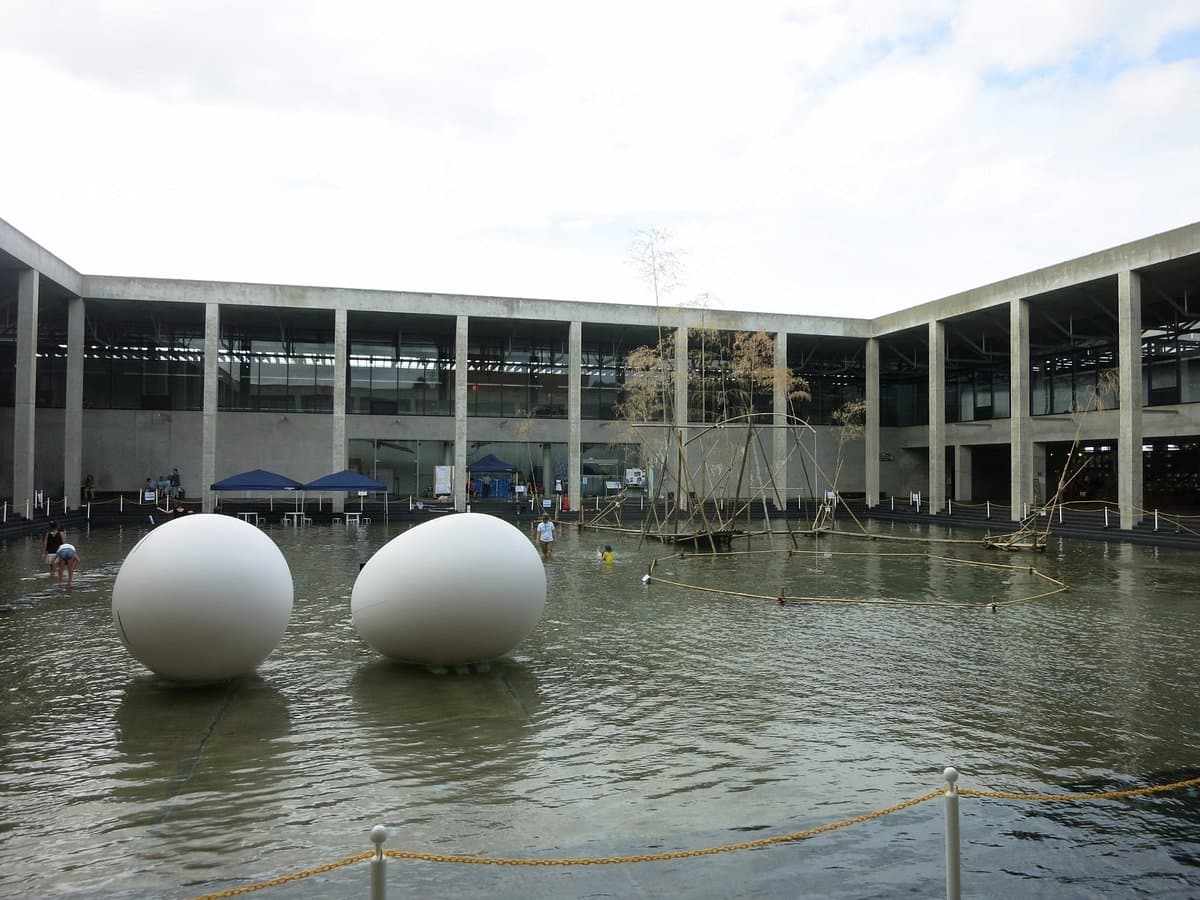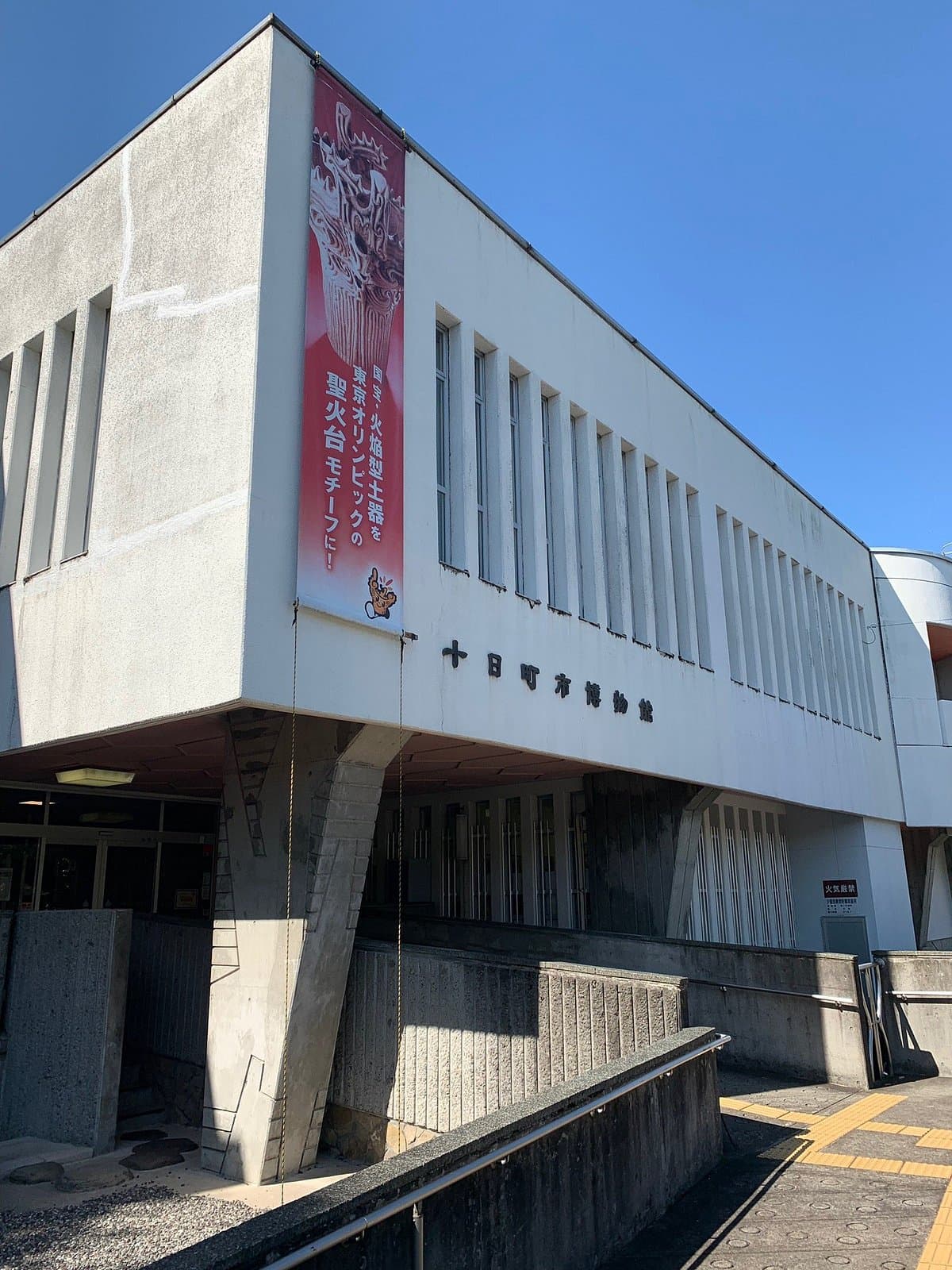
The Tokamachi City Museum serves as a repository for the historical and cultural narrative of Tokamachi, with a significant emphasis on its prehistoric past, specifically the Jomon period. It is particularly known for displaying artifacts such as the distinctive earthenware that has become a symbol of the city, illustrating the daily life and craftsmanship of its ancient inhabitants.
Visitors consistently note the museum's detailed presentation of how life was 5000 years ago, highlighting the pride Tokamachi citizens have in their land and culture. The exhibits are generally well-received for their informative nature, providing context and insight into a lesser-known but significant part of Japanese history. While the museum may not be a major draw for all tourists, those with an interest in archaeology, ancient civilizations, or local Japanese history will find its collections engaging.
To make the most of a visit, it is advisable to allocate approximately 1 to 2 hours. The museum is not typically crowded, allowing for a leisurely exploration of the exhibits. There is no specific advice from reviewers regarding what to bring, but comfortable shoes are always recommended for museum visits. The best time to visit would likely be during off-peak hours to ensure a quiet experience, though specific peak times are not mentioned in reviews.
The Tokamachi City Museum is located at 1-382-1 Nishihoncho, Tokamachi. While specific public transport details are not extensively covered in reviews, Tokamachi is accessible by train. Visitors arriving by train to Tokamachi Station would likely need to take a local bus or taxi to reach the museum, or consider a walk depending on their preference and the weather. Driving to the museum is also an option, and parking availability should be confirmed locally.
Common complaints are not explicitly detailed in reviews, suggesting a generally positive visitor experience. However, as a smaller, specialized museum, some visitors might find the scope limited if they are expecting a broader historical overview or more interactive exhibits. To mitigate this, visitors should approach the museum with an understanding of its specific focus on the Jomon period and local heritage.