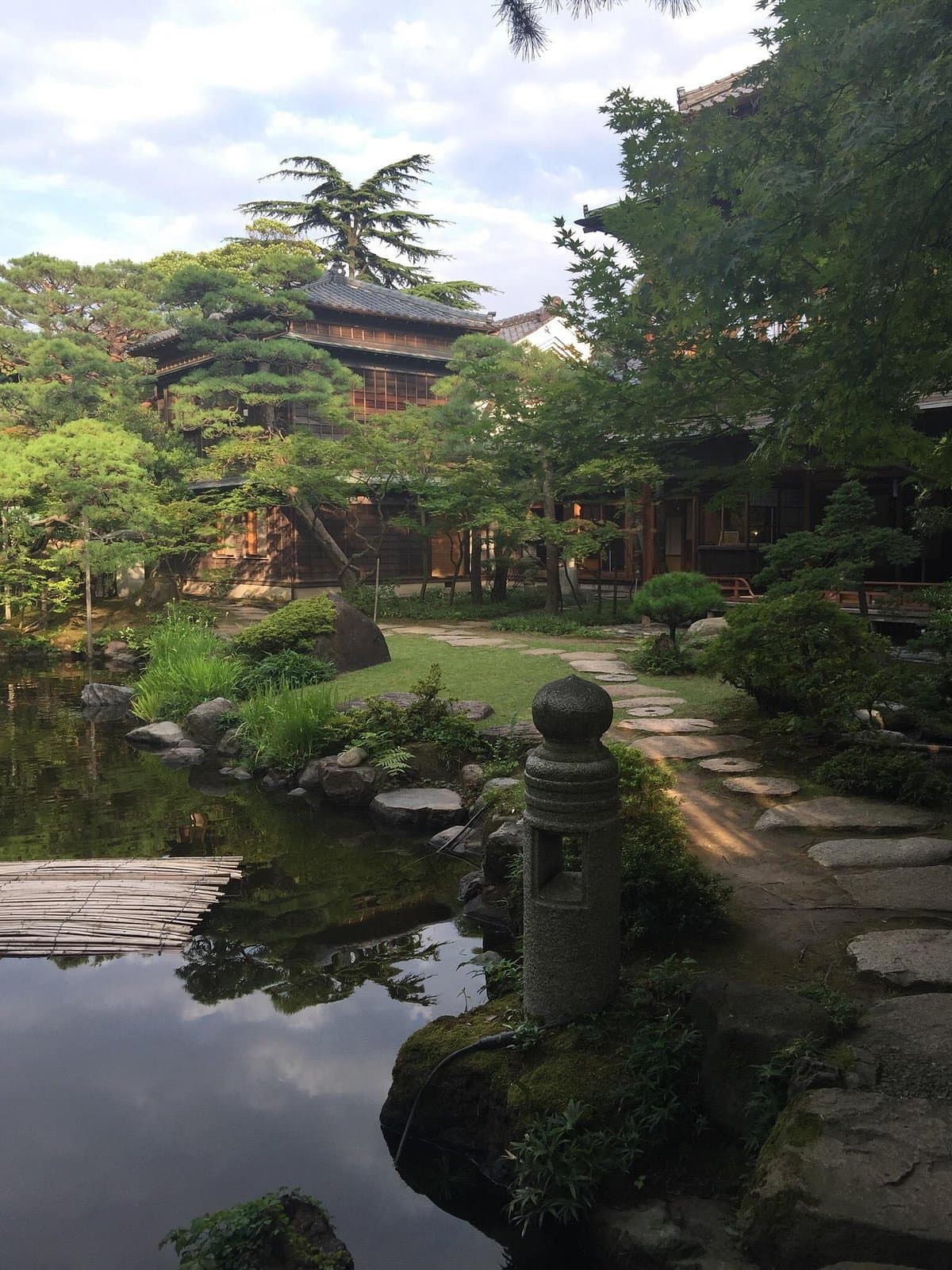
The Old Saito Residence, built in 1918, is a remarkable example of Taisho-era architecture and garden design, serving as the summer villa for a prominent Niigata merchant family. It offers a unique window into the lifestyle of the wealthy elite of that period, showcasing intricate craftsmanship and a harmonious blend of indoor and outdoor spaces. The residence is particularly noted for its skillful integration with the surrounding sand dunes and pine trees, creating a serene and picturesque environment.
Visitors frequently commend the residence's beautiful gardens, which are designed to be enjoyed from various viewpoints within the house, creating a sense of continuity between the interior and exterior. Many reviewers highlight the peaceful and relaxing ambiance, describing it as a 'zen-like feeling' that provides a welcome escape from urban noise. The architectural details, particularly the woodworking and the thoughtful design that allows for excellent wind flow, are also consistently praised. Some visitors mention the charm of the guides, who are often dressed in traditional attire and are eager to share insights into the residence's history.
To make the most of your visit, allocate approximately 1 to 2 hours to explore both the house and the gardens thoroughly. Reviewers suggest that the gardens are beautiful in all seasons, with spring and autumn offering particularly vibrant displays. Consider purchasing a green tea with a sweet treat to enjoy while sitting on the tatami mats, as this enhances the contemplative experience of viewing the garden. While some rooms may appear sparsely furnished, the focus is on the architecture, the views, and the overall atmosphere. Bringing a camera is recommended to capture the scenic beauty.
The Old Saito Residence is conveniently located in Nishiohata, Niigata City. It is accessible via the Loop Bus route from Niigata Station, making it easy to reach for those relying on public transport. For those driving, there is no dedicated parking lot at the residence itself, but visitors can use the parking facilities at the nearby Niigata City Art Museum or obtain a free 1-hour ticket for the Nishibori underground parking lot. Several reviewers also mention that it's a pleasant walk or bike ride from hotels in the Furumachi area, with sufficient signage to guide the way.
A minor complaint from some visitors is the limited amount of English information available, although many find they can still appreciate the essence of the place. To mitigate this, consider asking for a guide if available, as they can provide valuable context. While some rooms might seem empty, the focus is on the structural beauty and the garden views, so adjust expectations accordingly rather than anticipating a fully furnished museum.