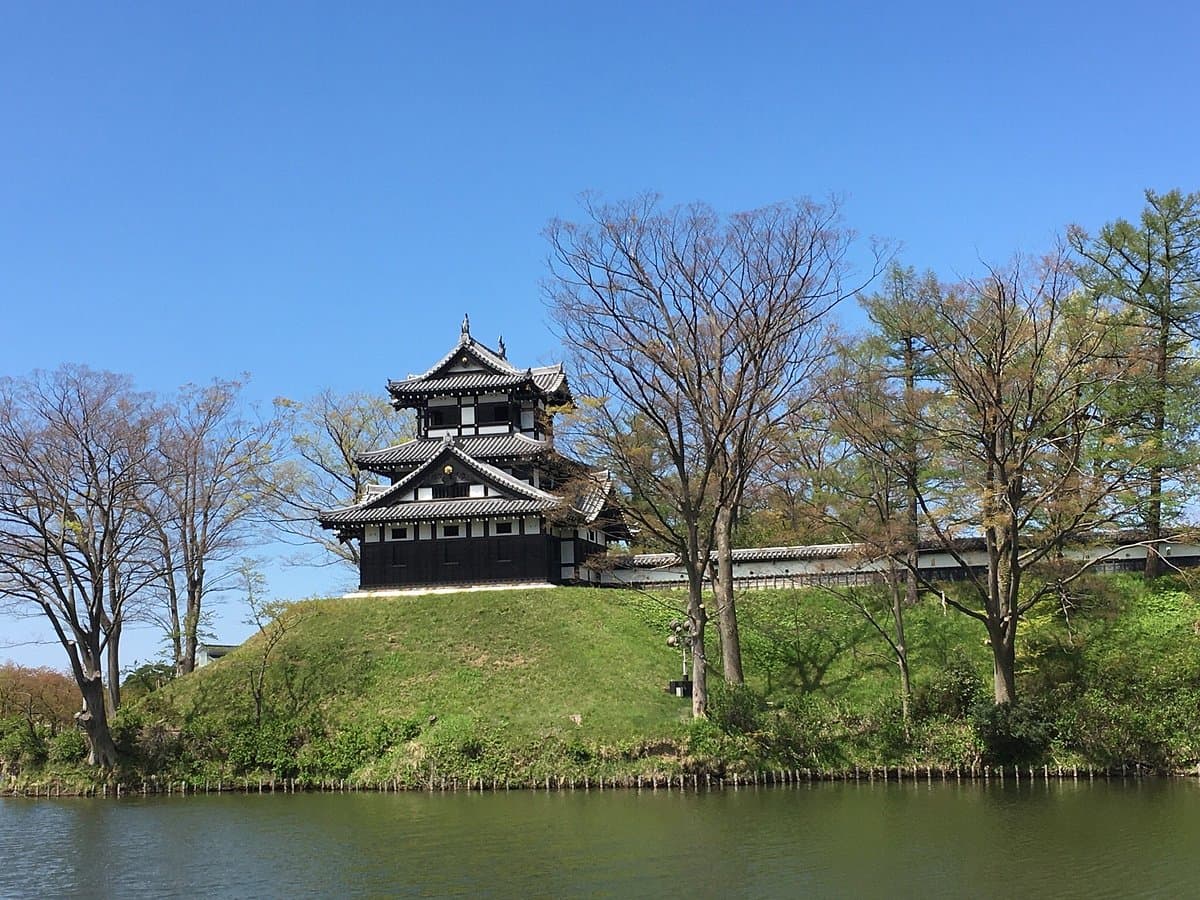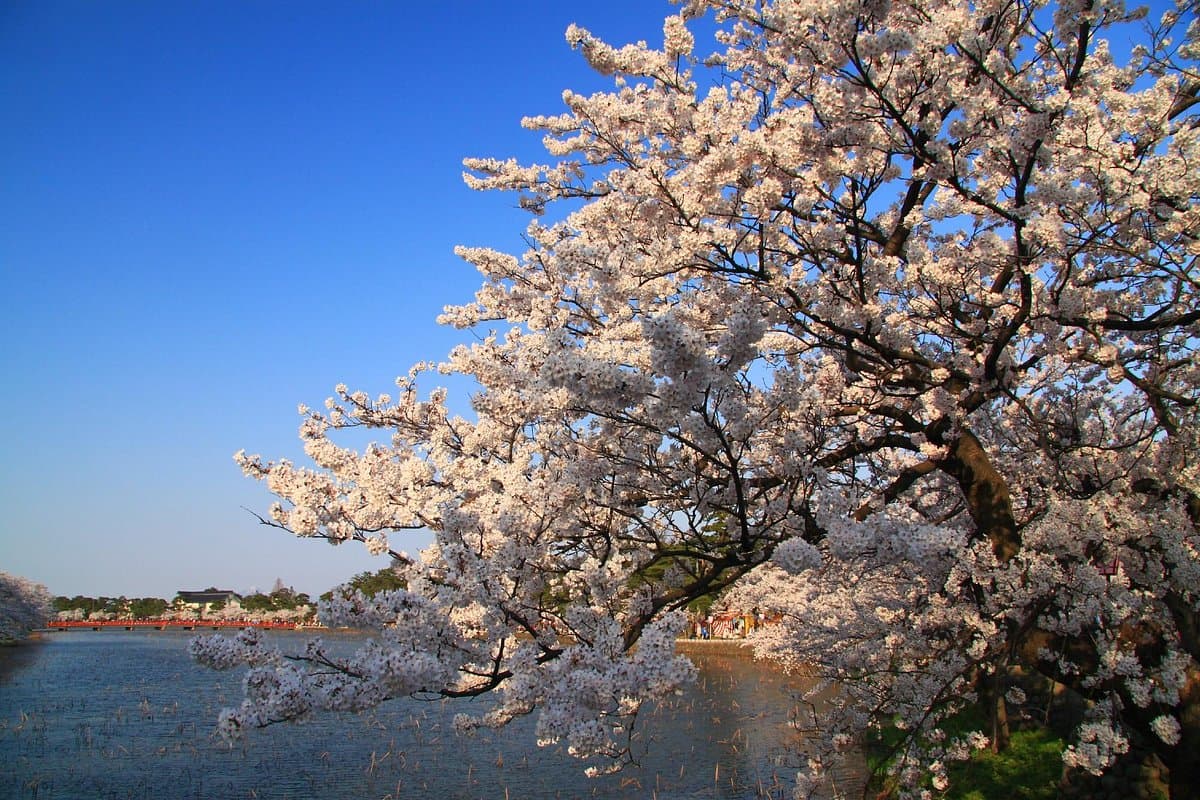
Takada Park is a significant historical site built on the former grounds of Takada Castle, established by Matsudaira Tadateru, the sixth son of Tokugawa Ieyasu. It holds national recognition as one of Japan's Top 100 Historical Parks and is particularly famous for being one of the "Three Major Night Sakura in Japan," making it an essential destination for cherry blossom enthusiasts.
Visitors consistently praise the park for its breathtaking cherry blossom displays, especially the night illuminations, which many describe as unforgettable and even superior to those in larger cities like Tokyo. The park's large size allows for a less crowded experience compared to other popular sakura spots, enabling a leisurely enjoyment of the scenery. Beyond spring, the park transforms in summer with a large pond almost entirely covered in beautiful lotus and water lily blooms, attracting many locals. Reviewers also appreciate the park's cleanliness and well-maintained facilities, including a huge playground for children with various attractions like tyroliens and climbing structures.
To make the most of a visit, especially during cherry blossom season, it is highly recommended to check the sakura condition beforehand, as the peak bloom (usually early April) can vary with weather. Many suggest arriving before sunset to experience both the daytime and illuminated night views. While the park is beautiful in spring and summer, winter visits, though offering snow-covered landscapes, mean missing the iconic floral displays. Visitors note that the park can get very hot in summer afternoons, so planning for cooler times of day or seeking shade is advisable. Food stalls are abundant during the cherry blossom festival, offering a wide variety of choices.
The park is easily accessible. For those traveling by train, take the JR Hokuriku Shinkansen to Joetsu Myoko Station, from where shuttle bus services are available. Alternatively, it's about a 10-minute walk from Takada Station. The park's central location within Joetsu makes it a convenient stop for those visiting the region.
A common complaint, particularly for those visiting outside of spring or summer, is the lack of the iconic floral displays. While the park remains a pleasant place for a stroll, its main draw is seasonal. To mitigate this, consider visiting during late March to early April for cherry blossoms or in summer for the lotus blooms. Otherwise, be prepared for a more subdued, albeit still historically significant, park experience.