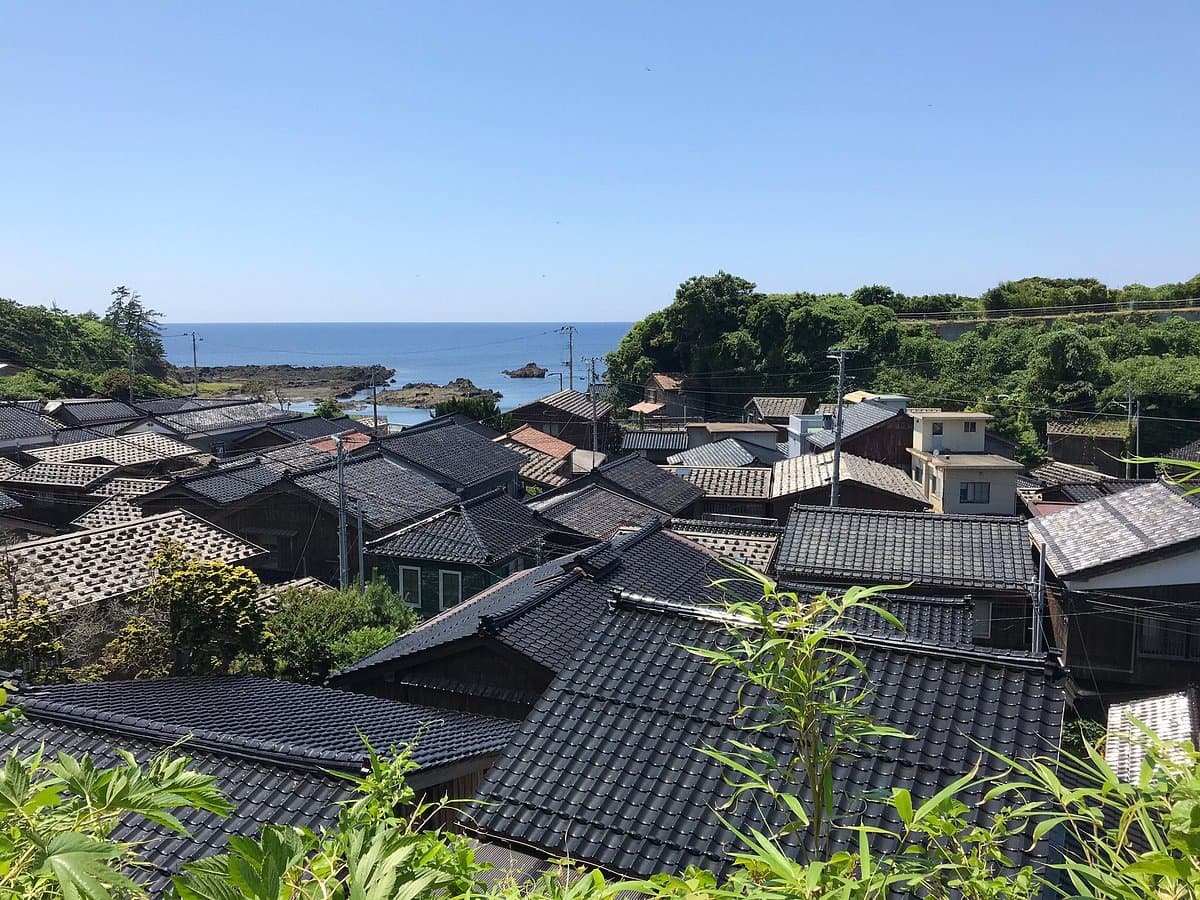
Shukunegi is a historic fishing village on Sado Island, renowned for its exceptionally well-preserved Edo-period architecture. It served as a vital port town for trade routes connecting northern Japan, with many residents being shipbuilders and shipowners. The village's unique charm lies in its tightly packed wooden houses, many constructed from ship planks, and its labyrinthine narrow alleys, offering a tangible connection to Japan's maritime past.
Visitors consistently praise the village's authentic atmosphere, often describing it as stepping back in time. The intricate details of the traditional houses, some still inhabited, and the sense of history are frequently highlighted. Reviewers enjoy exploring the unique architecture, including the 'salt' building and the way houses are nestled together. Many find the village to be an excellent photo opportunity, especially for those interested in historical Japanese settings. The presence of a Shinto shrine and a Buddhist temple adds to the cultural depth of the visit.
To make the most of your visit, plan to spend at least an hour, though some recommend two to three hours to fully immerse yourself. It's advisable to wear comfortable shoes for walking on uneven paths. Several houses offer paid entry for a closer look inside, which many find worthwhile for understanding the lifestyle of past shipowners. While some reviewers mention a lack of dining options, especially outside peak season, a few traditional restaurants do exist. It's a good idea to check opening hours for eateries in advance or bring snacks. The village can get hot in summer, so consider visiting in cooler months or during the morning/late afternoon.
Shukunegi has a dedicated parking lot, which visitors find convenient. While some reviewers mention the village being a bit far from Ogi Port and challenging to access without a car, public bus services are available. However, bus schedules can be infrequent, so checking them beforehand is crucial. Some visitors have resorted to taxis or even hitchhiking due to limited public transport. If driving, the parking lot is clearly marked and provides easy access to the village's entrance.
A common complaint among visitors is the limited availability of restaurants and cafes, particularly during off-peak times or on specific days, which can cut visits short. To mitigate this, it's recommended to eat before arriving or bring your own refreshments. Another point raised is the entrance fee to some individual houses, which can add up if you wish to explore multiple interiors. Be prepared for these small fees if you want the full experience.