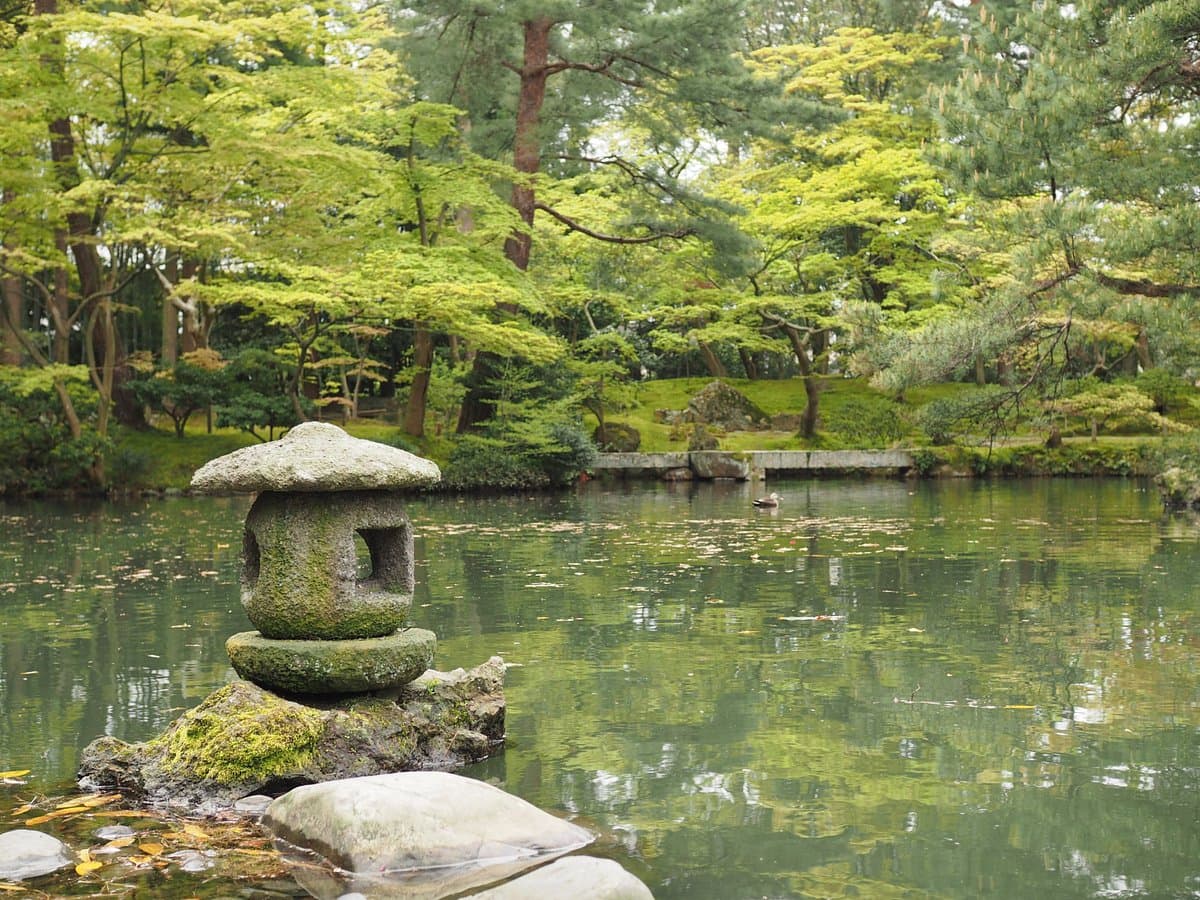
Shimizuen is a beautifully preserved traditional Japanese garden and samurai residence, offering a glimpse into the life of a feudal lord and his retainers. It stands out as a significant cultural site, providing a tranquil environment that transports visitors back to a bygone era of Japanese history and aesthetics.
Visitors consistently praise the garden's exquisite beauty and peaceful ambiance. Many highlight the opportunity to sit quietly, observe the meticulously designed landscape, and listen to the sounds of nature. The presence of five tea houses around the garden is frequently mentioned as a unique feature, enhancing the immersive experience. Reviewers also appreciate the adjacent samurai residence (Ashigaru Nagaya) and the small museum, which offer a fascinating contrast between the lord's opulent lifestyle and the more modest living conditions of the lower-ranking samurai. The well-preserved armor and crockery inside the long houses are often noted as particularly interesting exhibits.
To fully appreciate Shimizuen, visitors recommend allocating at least 1.5 to 2 hours. The best time to visit is during daylight hours, allowing ample time to explore the garden and its various structures. Several reviewers suggest wearing thick socks, as shoes must be removed when entering some of the traditional buildings, and the floors can be cool. There are no specific warnings about what to skip, as most elements contribute to the overall experience. For a more contemplative visit, consider arriving earlier in the morning or later in the afternoon to avoid potential crowds.
Shimizuen is located at 7-9-32 Daieicho, Shibata, Niigata Prefecture. While specific public transport details are not consistently mentioned in reviews, Shibata is accessible by train. From Shibata Station, local buses or a taxi would likely be the most convenient options to reach the garden. Driving is also an option, and parking availability should be confirmed locally.
Common complaints are not prevalent, but some visitors might find the lack of extensive English signage challenging. However, the visual beauty of the garden and the historical artifacts often transcend language barriers. To mitigate this, consider researching the site beforehand or utilizing translation apps if detailed explanations are desired.