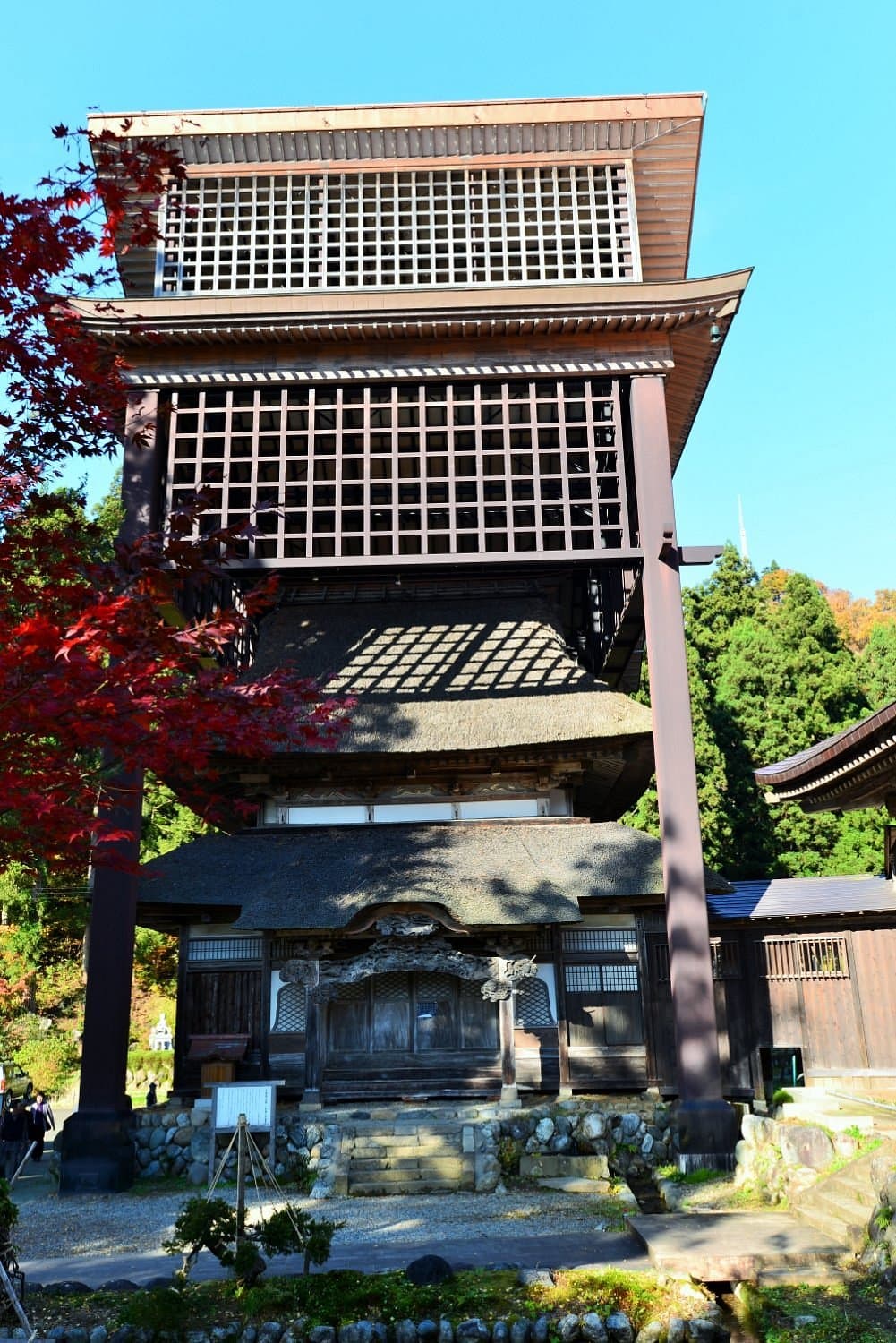
Saifuku-ji Temple is a significant Buddhist temple located in Uonuma, Niigata Prefecture, renowned for its exceptional artistry, particularly the works of Ishikawa Uncho. Often referred to as the 'Japanese Michelangelo,' Uncho's intricate wood carvings, paintings, and plasterwork within the Kaisan-do Hall are considered masterpieces and a major draw for visitors. While Uonuma itself might not be a primary tourist destination, the temple offers a unique cultural experience comparable to more famous sites.
Visitors consistently praise the stunning detail and craftsmanship of Uncho's carvings, especially those found on the ceiling of the Kaisan-do Hall. Reviewers describe the works as both delicate and bold, leaving a lasting impression. Many express surprise that such significant cultural properties are not more widely recognized as national treasures. The main hall also offers plenty to see, but the Kaisan-do building is the undeniable highlight. Some visitors note that photography is generally prohibited inside, preserving the sanctity and experience of viewing the art firsthand.
To make the most of your visit, allocate at least 1-2 hours to fully appreciate the intricate details, especially within the Kaisan-do Hall. The temple is best visited during daylight hours to ensure good visibility of the carvings. Reviewers suggest combining a visit here with other local attractions if you are in the Niigata Prefecture, perhaps after events like the Nagaoka Fireworks Festival. There are also three types of Goshuin stamps available for collectors.
Saifuku-ji Temple is located at 174 Oura, Uonuma. Given its location in a less-trafficked area, many visitors arrive by rental car, especially after visiting other regional attractions. Public transportation options might be limited, so planning your route in advance, particularly if relying on trains or buses, is advisable. The temple is accessible by car, and parking facilities are likely available, though not explicitly detailed in reviews.
A common point to be aware of is the temple's relatively remote location, which means it might not be easily accessible without a car. While this contributes to its 'hidden gem' status, it requires more deliberate planning for transportation. Additionally, pets are not allowed on the premises, a detail mentioned by visitors.