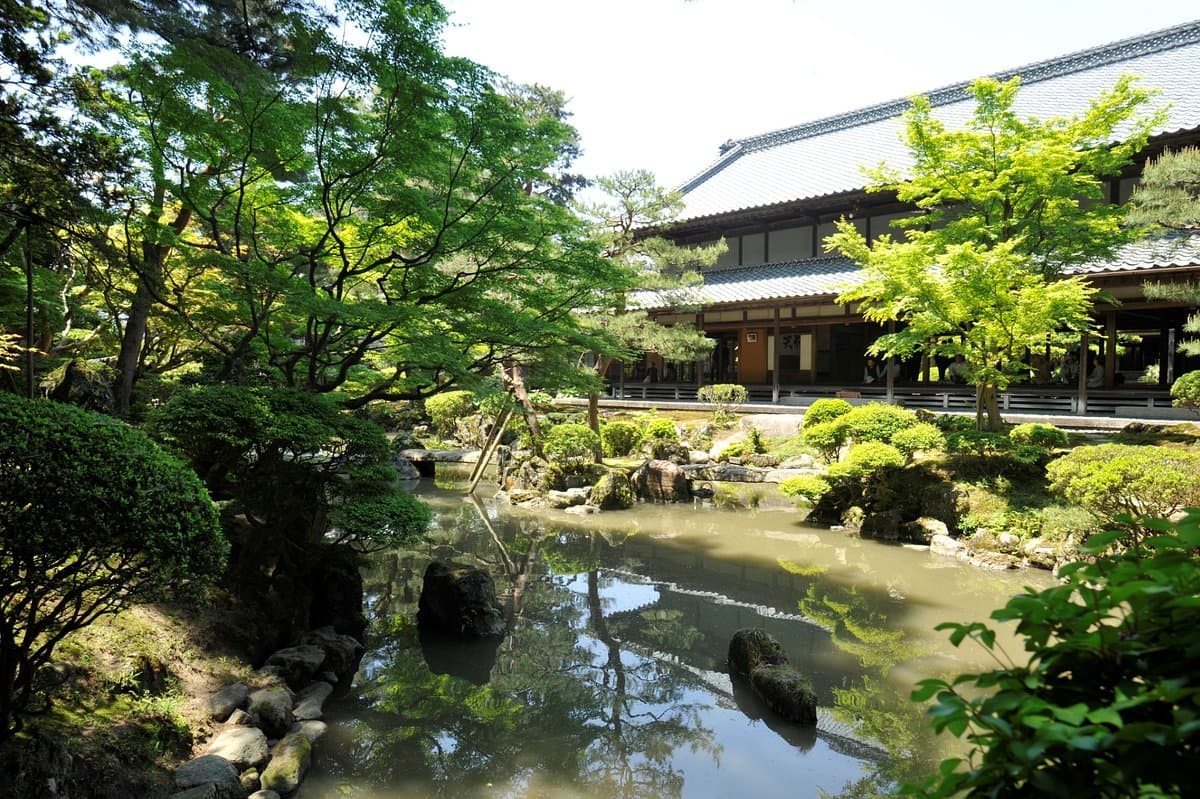
The Northern Culture Museum is the former residence of the Ito family, a prominent landowning family from the Edo period, now preserved and open to the public. It offers a rare opportunity to explore the opulent lifestyle of wealthy Japanese farmers and their estates. The museum showcases traditional Japanese architecture, exquisite gardens, and a collection of artifacts, providing a comprehensive look at the region's cultural heritage.
Visitors frequently praise the museum's stunning Japanese gardens, particularly the wisteria gazebo, which is over 150 years old and spectacular when in full bloom around May. Many highlight the main house's architectural details, such as the extra-long cedar beam and the unique triangular tatami room in the Sanraku-tei House. The overall atmosphere is often described as peaceful and beautiful, with some reviewers noting the staff's helpfulness, especially for handicapped guests. The on-site gift shop, offering local sakes and souvenirs, also receives positive mentions.
To make the most of your visit, aim for 1.5 to 2 hours, which most visitors find sufficient to explore the grounds and main buildings. The best time to visit is undoubtedly in late April to early May when the wisteria is in bloom, transforming the gardens into a fragrant spectacle. However, even in winter, with snow, the museum offers a different, serene beauty. Consider having lunch at the pleasant Wisteria Restaurant on site, which is often recommended by visitors. Bringing a camera is a must for capturing the scenic gardens and architectural details.
The museum is located at 2-15-25 Somi, Konan-ku, Niigata. While some visitors have used taxis from Niigata (around 4000 Yen one-way), others recommend using the City Loop Bus, which offers easy access with a one-day pass. Having a rental car can also make the visit more convenient, as noted by several reviewers. For those arriving by taxi, some drivers have offered to wait for no additional charge, though it's advisable to confirm this beforehand. The museum staff can also call a taxi for your return journey.
A few visitors have expressed that the entrance fee (¥350) might not be worth it if you're expecting a traditional museum with extensive exhibits, as it primarily showcases a historical residence and its possessions. To mitigate this, adjust your expectations to appreciate it as a well-preserved historical estate with beautiful gardens rather than a typical museum. While some found it difficult to locate initially, modern navigation apps should alleviate this concern.