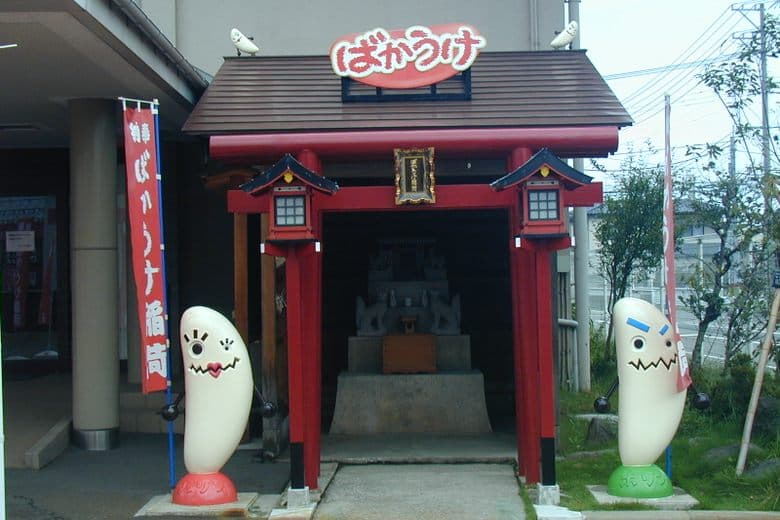
The Niigata Rice Cracker Museum, officially known as the Befco Bakauke Rice Cracker Kingdom, is a distinctive attraction in Niigata Prefecture, dedicated to the ubiquitous Japanese snack, Bakauke rice crackers. This factory museum offers a deep dive into the history and production of these banana-shaped crackers, which have become a national favorite since their introduction in 1990. It's a place where visitors can connect with a significant part of Japanese snack culture and understand the industrial processes behind it.
Visitors consistently praise the interactive elements of the museum, particularly the opportunity to decorate their own rice crackers. This hands-on activity is frequently highlighted as a fun and engaging experience, especially for children and families. The on-site shop, offering a wide array of Bakauke flavors and exclusive souvenirs, is also a major draw, with many reviewers noting the chance to purchase unique items not found elsewhere. The quirky Bakauke Inari shrine, with its anthropomorphic cracker mascots, adds an unusual and memorable touch that many find amusing and photo-worthy.
To make the most of your visit, plan to spend approximately 1 to 2 hours, allowing ample time for cracker decorating and browsing the shop. The museum is generally less crowded on weekdays, offering a more relaxed experience. Consider bringing a small bag for any purchases from the gift shop. While the museum itself is indoors, comfortable shoes are always advisable for exploring. There are no specific items to skip, as each section contributes to the overall experience.
The museum is located in Niigata. While specific public transport details are not consistently mentioned in reviews, it is generally accessible by car, and parking is available on-site. For those relying on public transport, it is advisable to check local bus routes or consider a taxi from the nearest train station, which would likely be Niigata Station. Driving offers the most direct access.
A common minor complaint is that the museum might feel a bit small or specialized for those not particularly interested in rice crackers. To mitigate this, approach the visit with an open mind, focusing on the unique cultural insight and the fun of the interactive decorating experience rather than expecting a large-scale, traditional museum.