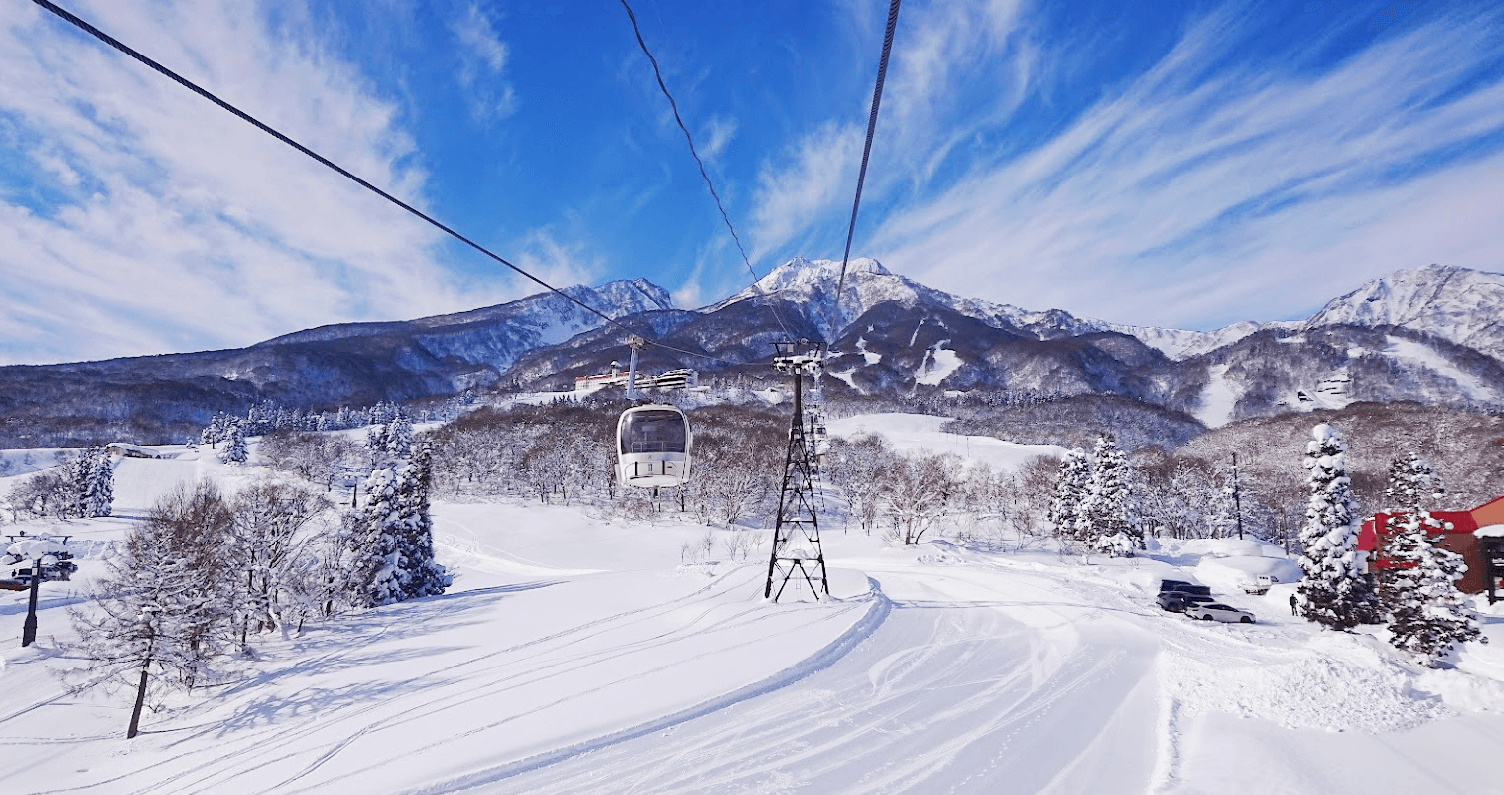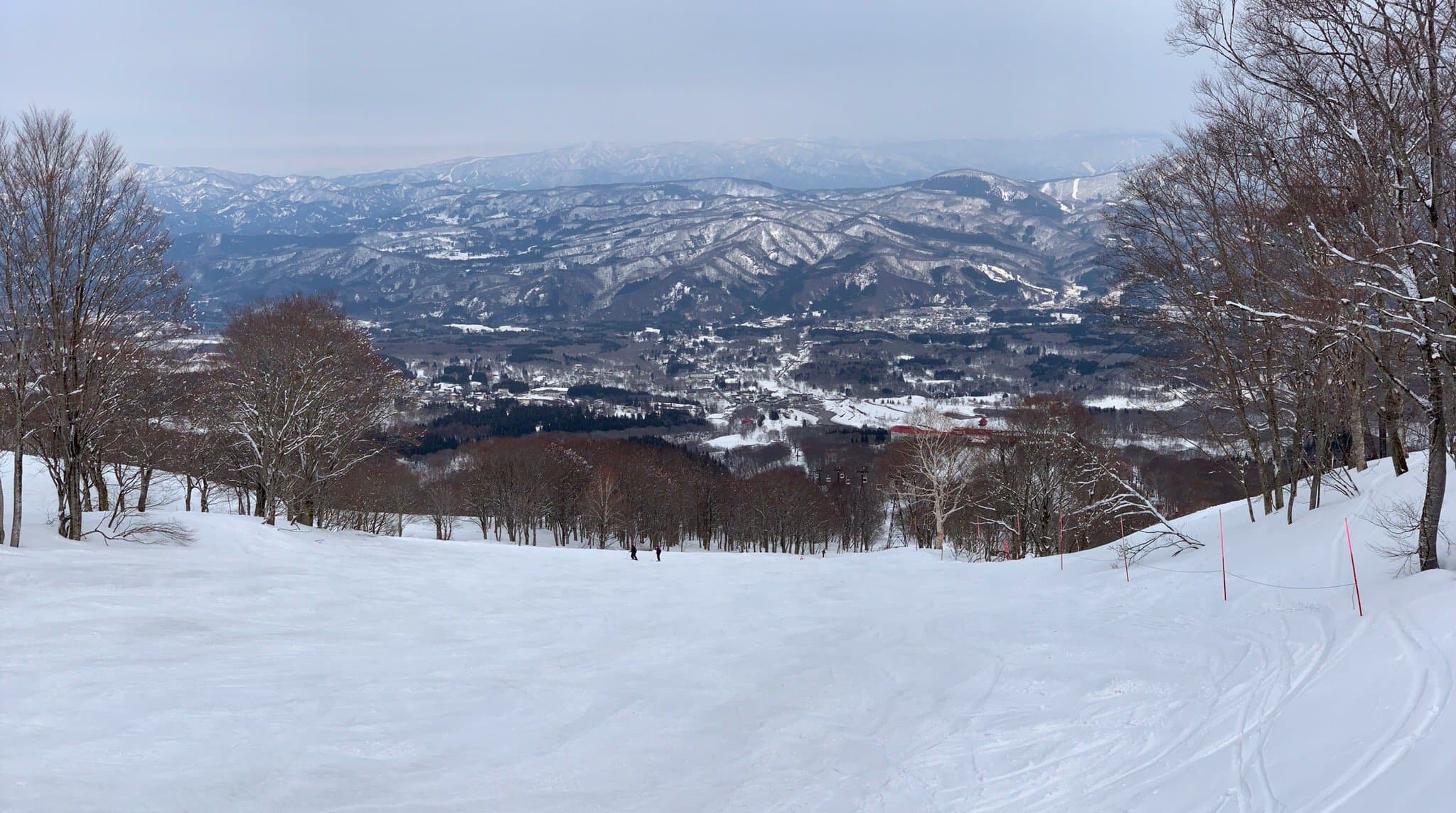
Akakura Onsen Ski Area, located in Myoko City, Niigata Prefecture, is a prominent ski resort renowned for its diverse slopes and high-quality powder snow. It stands out not only as a destination for winter sports but also for its integration with traditional Japanese hot spring culture, offering a unique blend of activity and relaxation.
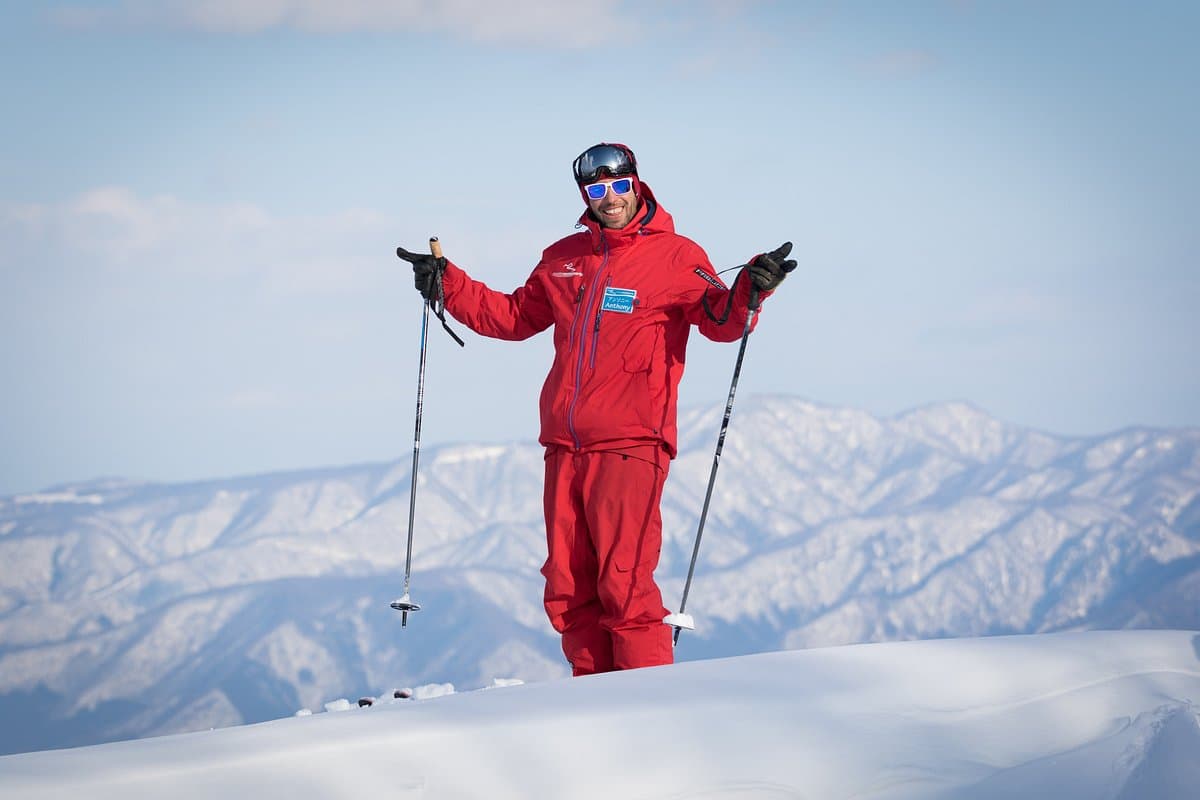
Visitors consistently praise the ski area for its suitability for all skill levels, from beginners to experienced skiers, thanks to its varied terrain. The quality of the snow, often described as excellent powder, is a recurring highlight in reviews. Many appreciate the convenience of rental services and ski lessons available on-site, which makes it accessible even for those new to skiing. The proximity to Akakura Onsen is a significant draw, with many reviewers emphasizing the pleasure of relaxing in the hot springs after a day on the slopes. This combination of skiing and onsen culture is a key factor in its appeal.
For a fulfilling experience, visitors recommend spending at least 1-2 days to fully enjoy both the skiing and the onsen facilities. Bringing appropriate winter gear, including waterproof clothing and gloves, is essential. While the resort offers rentals, personal equipment might provide more comfort. To avoid crowds, especially on popular runs, arriving early in the morning is advisable. Many find that staying in one of the surrounding hot spring hotels enhances the overall experience, providing easy access to both the slopes and the onsen.
Akakura Onsen Ski Area is located in Sekiyama, Myoko. While specific public transport details from reviews are limited, visitors typically access the Myoko Kogen area via train to Myoko-Kogen Station, followed by a local bus or taxi to the resort. Driving is also an option, with parking available, though conditions can be challenging during heavy snowfall. It's advisable to check local transport schedules and road conditions, especially during peak season.
A common point for improvement noted by some visitors relates to the age of some facilities or the English language support, which might not be as comprehensive as in larger international resorts. To mitigate this, it's recommended to have a translation app handy or to research key phrases in Japanese. Booking accommodations and lessons in advance, especially during peak season, can also help ensure a smoother experience.