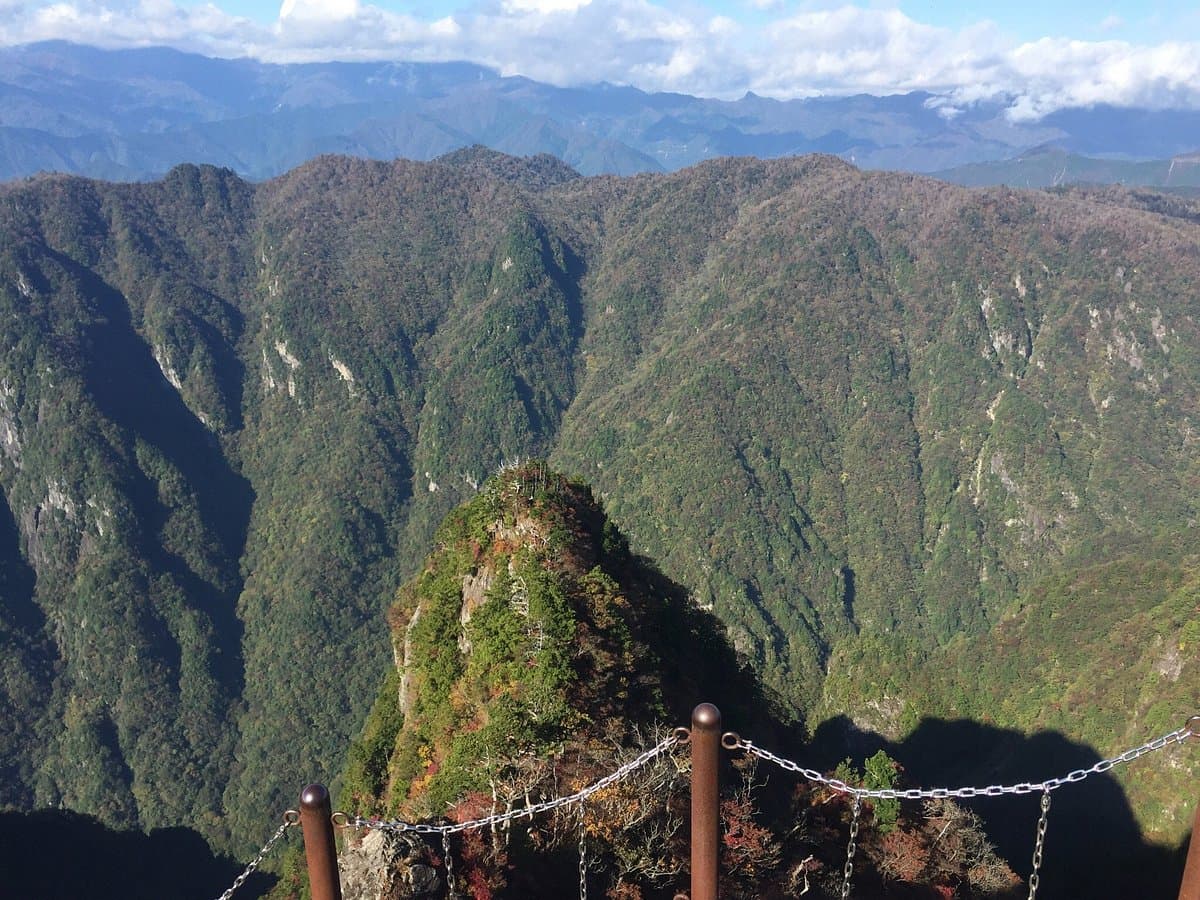
Mount Odaigahara, located on the border of Nara and Mie Prefectures, is a significant natural landmark renowned for its pristine wilderness and dramatic landscapes. It's a popular destination for hikers seeking spiritual cleansing and an escape into nature, offering stunning panoramic views that some compare to scenes from epic movies.
Visitors consistently highlight the unparalleled beauty of the views, particularly from Daijakura Cliff, which many describe as awe-inspiring. The cool mountain air and lush forests are frequently praised as a welcome respite from the heat of urban areas. Reviewers often mention the unique sight of fallen trees, which adds to the area's distinct natural charm. However, several visitors warn about the challenging accessibility and the need for thorough preparation due to the remote location and variable weather conditions.
To make the most of your visit, plan for a full day, as the hike itself can take 4-5 hours. Dress in layers and be prepared for cold, windy conditions, even in October, with temperatures potentially dropping to 4 degrees Celsius. Sturdy hiking gear is essential. Arriving early, ideally by 7 AM, is crucial, especially if driving, as parking spaces are limited. Bringing your own food and drinks is advisable, as options are scarce. While the area is beautiful year-round, late September to early October is often recommended for autumn foliage.
Getting to Mount Odaigahara requires significant travel. From Nara, it's a full-day round trip. Public transport involves taking a bus from Yamato-Kamiichi station, which costs 2050 yen each way (4100 yen round trip). The bus departs sharply at 9:00 AM. Lockers are available at Yamato-Kamiichi station for luggage storage. Alternatively, many visitors recommend renting a small car, such as from Toyota hire, to allow for more flexibility and to avoid the bus schedule constraints. Driving allows you to leave Nara early and reach the trailhead before the crowds.
A common complaint is the difficulty of access and the lack of English information locally. To mitigate this, thorough research and preparation are key. Download offline maps, have bus schedules readily available, and consider renting a car if you're comfortable driving in Japan. Be aware that the journey itself is part of the adventure, and patience is required.