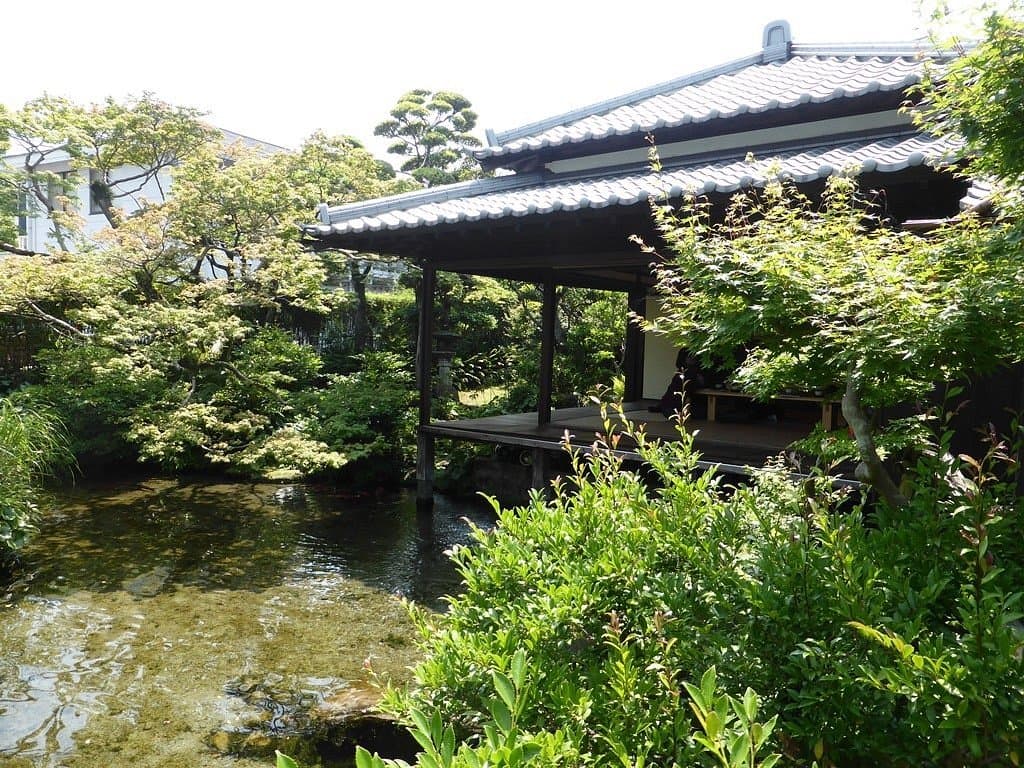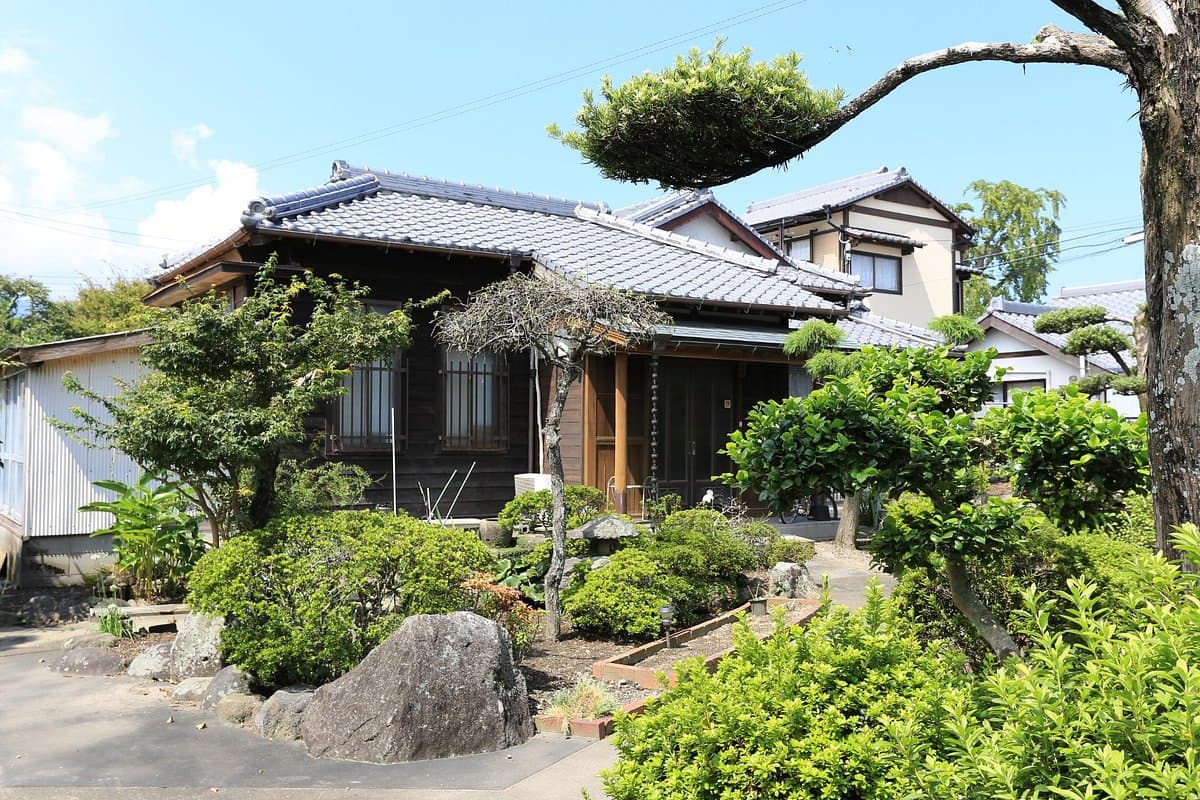
The Samurai Houses in Shimabara offer a rare and authentic look into the lives of lower-ranking samurai during Japan's feudal era. Unlike grand castles or temples, these residences provide a grounded perspective on the daily existence of the warrior class, set along a picturesque street with a unique spring water canal running down its center.
Visitors consistently praise the authenticity and free entry to these well-preserved homes. Many appreciate the opportunity to step inside and imagine samurai life, noting the distinct styles of the three open houses. The English descriptions available at each house are frequently mentioned as helpful for self-guided exploration. Reviewers also highlight the charming historical street itself, with its stone walls and the central waterway, as a significant part of the experience. Some find the mannequin displays inside the houses a bit 'creepy' or repetitive, but generally agree they aid in visualizing the past.
To make the most of your visit, allocate about 1-2 hours to explore all three houses and the surrounding street. It's recommended to visit all three houses as each offers a slightly different perspective. Remember to remove your shoes before entering any of the houses, a common practice in Japanese homes. The area is particularly pleasant in spring when cherry blossoms are in bloom. Combining your visit with Shimabara Castle, which is a short walk away, is a popular and efficient way to experience the local history.
The Samurai Houses are conveniently located about a 10-minute walk from Shimabara Castle and a short walk from Shimabara Station. This makes them easily accessible by public transport. The address is Shitanocho, Shimabara, Nagasaki Prefecture. The area is tourist-friendly, with signs in multiple languages, making it suitable for a self-guided walk.
A common observation is that the houses, belonging to lower-ranking samurai, are quite basic, which might be a surprise if expecting grander residences. While some find the mannequin displays unsettling or similar across houses, focusing on the architectural details and the overall atmosphere of the street can enhance the experience. The main 'complaint' is the similarity between the houses, which can be mitigated by appreciating the subtle differences in their layouts and functions.