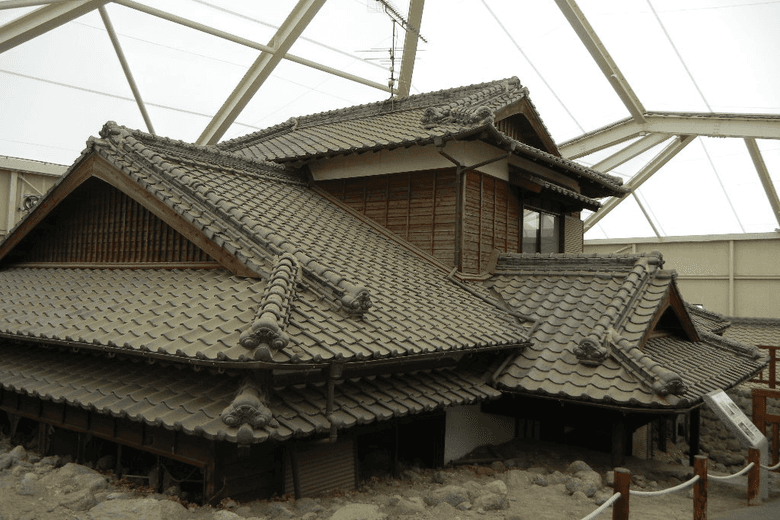
The Gamadasu Dome, officially known as the Mt. Unzen Disaster Memorial Hall, serves as a crucial educational and commemorative institution dedicated to the volcanic activity of Mount Unzen. It meticulously documents the significant eruptions of 1792 and 1991, offering visitors a comprehensive understanding of the geological forces at play and their profound impact on the local community. The museum's purpose extends beyond mere exhibition, aiming to preserve the memory of these events and educate future generations on disaster preparedness.
Visitors frequently commend the museum for its highly interactive and immersive exhibits. The highlight for many is the stage show featuring modern puppets and props that vividly describe the 18th-century eruption, alongside a moving theater experience that simulates being in the midst of an eruption. Reviewers consistently note the effectiveness of these displays in conveying the immense power of a volcanic event. The museum also features animatronic stories, videos, and holograms, all contributing to a dynamic and engaging learning environment. Foreign visitors particularly appreciate the availability of free audio guides, which provide essential context for the Japanese-language displays and documentaries, ensuring a rich experience for all.
To make the most of your visit, plan to spend approximately 2-3 hours exploring the various exhibits and shows. It is advisable to arrive with an open mind, ready to engage with the interactive elements. While some video content might be intense, it effectively communicates the gravity of the disasters. Reviewers suggest that the experience is well worth the admission fee, often exceeding expectations. Consider visiting during off-peak hours to avoid potential crowds, although the staff are noted for their efficiency in managing visitor flow, especially for scheduled shows.
The Gamadasu Dome is located a short distance from Shimabara Station. While it is accessible by bus, several reviewers advise that taking a taxi might be more convenient, as bus stops are not directly outside the museum, requiring a 10-15 minute walk from the main road. If opting for the bus, inform the driver if you intend to visit the nearby buried houses, as the museum is about a 10-15 minute walk from that stop. Driving is also an option, with the museum being about a 20-minute drive from Shimabara.
A common observation from visitors is that some staff members occasionally appear bored, though this does not detract from their helpfulness, especially towards foreign visitors. Staff are diligent in ensuring audio headsets are working and in guiding visitors between exhibits with programmed start times. While some video content is available online, experiencing it within the museum's immersive environment offers a significantly different and more impactful perspective.