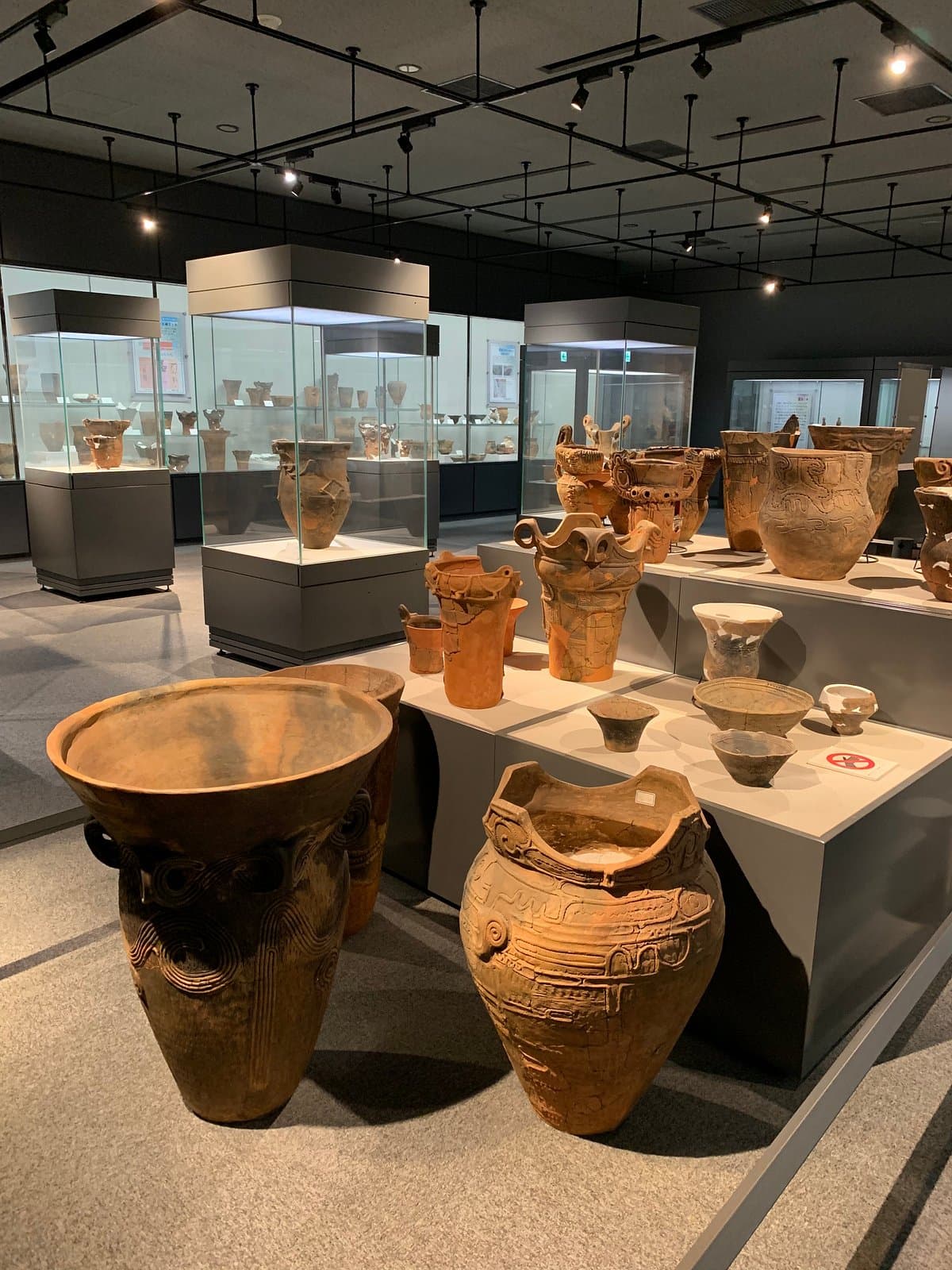
The Togariishi Jomon Archaeological Museum is a specialized facility dedicated to the Jomon period (approximately 14,000–1,000 BCE), located at the foot of the Yatsugatake Mountains in Chino, Nagano Prefecture. The museum's primary significance lies in its housing of two of Japan's five National Treasure Jomon clay figurines: the Jomon Venus and the Masked Goddess, both discovered in the surrounding area and dating to approximately 5,000 years ago. These pieces are remarkable not only for their age but for being found in nearly complete condition, offering rare insight into the artistic and spiritual life of prehistoric Japan.
Visitors consistently highlight the aesthetic and emotional impact of viewing these National Treasures in person. Multiple reviewers note that the figurines possess a mysterious, abstract quality that connects to later Japanese artistic traditions such as ukiyo-e, suggesting a continuous thread of aesthetic sensibility across millennia. The museum's layout is straightforward: three galleries present Jomon pottery and artifacts from local excavations, with the National Treasures displayed in Gallery B. Reviewers appreciate that photography is freely permitted, allowing visitors to document their experience. The museum also benefits from ongoing archaeological excavations in the surrounding area, which adds context to the displays and demonstrates that Jomon research remains active.
Practical considerations: plan to spend 1.5 to 2 hours in the museum itself. The museum offers hands-on craft activities where visitors can create replica Jomon pottery or build their own Masked Venus figurine; these workshops typically last 2–3 hours and require advance booking or arrival on specific activity days. Visitors should check the museum's website or contact ahead to confirm whether hands-on activities are available on their visit date, as availability appears limited and not guaranteed. The museum is situated in a rural, mountainous setting, so visiting in spring (March–April) or autumn (September–October) offers pleasant weather; winter visits are possible but may involve snow. The surrounding area features approximately 6 kilometers of walking paths with views of the archaeological dig sites, making this suitable for visitors interested in combining museum time with outdoor exploration.
Getting there: The museum is located in Chino, Nagano Prefecture, approximately 4734-132 Toyohira. Public transport access requires careful planning. The nearest major train station is Chino Station on the JR Shinonoi Line (approximately 30–40 minutes from Matsumoto or Nagano City). From Chino Station, local bus service or taxi is necessary to reach the museum, which is situated several kilometers away in a rural area; the journey by taxi typically takes 15–20 minutes. Driving is recommended if you have access to a rental car, as parking is available at the museum and the location is not easily accessible by public transport alone. If using public transport, confirm bus schedules in advance, as rural services may be infrequent.
Common challenges and mitigation: The museum's remote location means it is not a spontaneous stop for most visitors; plan your visit in advance and allow sufficient time for transport. Some visitors report that signage and information materials are primarily in Japanese, so downloading translation apps or printing key information beforehand is helpful. The museum can experience increased visitor traffic during peak seasons or following media attention (such as social media trends), so arriving early in the day or visiting on weekdays may provide a more contemplative experience. The hands-on craft activities, while highly valued by those who participate, are not always available, so do not plan your entire visit around them without confirming availability first.