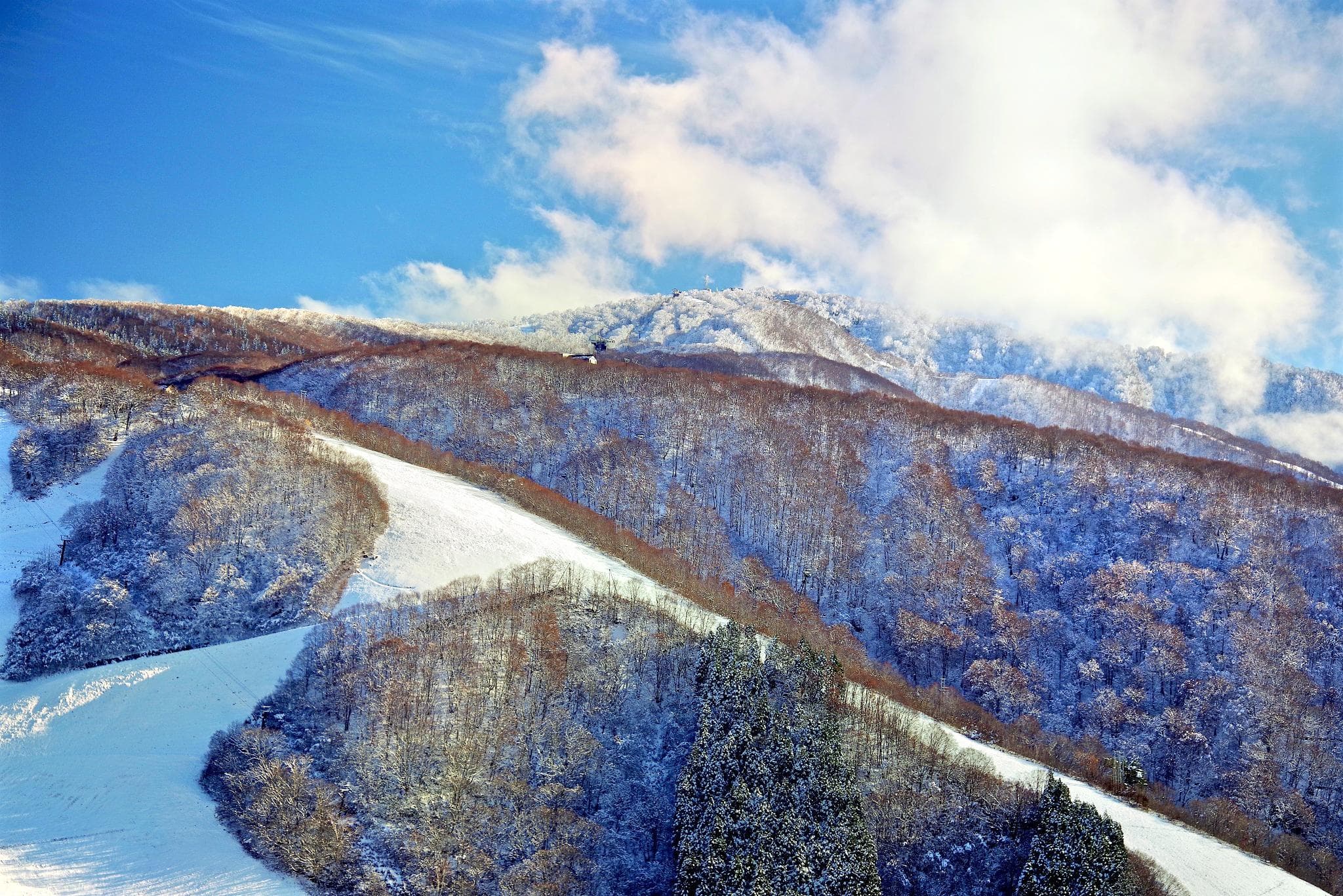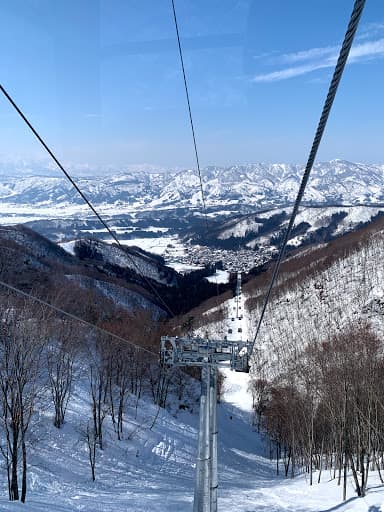
The Nozawa Onsen Karasawa Ski Center is a component of the larger Nozawa Onsen Ski Resort, known for its deep powder snow and traditional village atmosphere. This specific center acts as a practical base for visitors, offering essential services like lift ticket purchases, equipment rentals, and dining options, making it a convenient starting point for a day on the slopes.
While there are no specific visitor reviews for the Karasawa Ski Center itself, general feedback for Nozawa Onsen Ski Resort highlights its extensive terrain suitable for all skill levels, from gentle beginner slopes to challenging expert runs. Visitors frequently praise the quality of the snow, especially the abundant powder, and the efficiency of the lift system. The resort's integration with the charming Nozawa Onsen village, with its hot springs and traditional inns, is also a significant draw, offering a cultural experience beyond just skiing.
For those planning to visit, it is advisable to arrive early, especially on weekends and holidays, to secure parking and avoid queues at the rental shops. Bringing waterproof and layered clothing is essential due to varying mountain temperatures. A full day is generally recommended to explore the resort adequately, though the Karasawa Ski Center itself might only require a brief stop for services. Consider purchasing a multi-day pass if you plan to ski for more than one day, as this often provides better value.
The Nozawa Onsen Karasawa Ski Center is located at 6329 Toyosato, Nozawaonsen. Access to Nozawa Onsen village is typically via the Hokuriku Shinkansen to Iiyama Station, followed by a bus ride (Nozawa Onsen Liner) directly to the village. From the village, various shuttle buses or a short walk can take you to different ski center entrances, including Karasawa. Driving is also an option, with parking available, though it can be limited during peak season.
Common complaints about the broader resort often revolve around crowds during peak season, which can lead to longer lift lines and busy slopes. To mitigate this, consider visiting during weekdays or outside of major Japanese holidays. Some visitors also note that food prices on the mountain can be higher than in the village, so packing some snacks can be a cost-effective alternative.