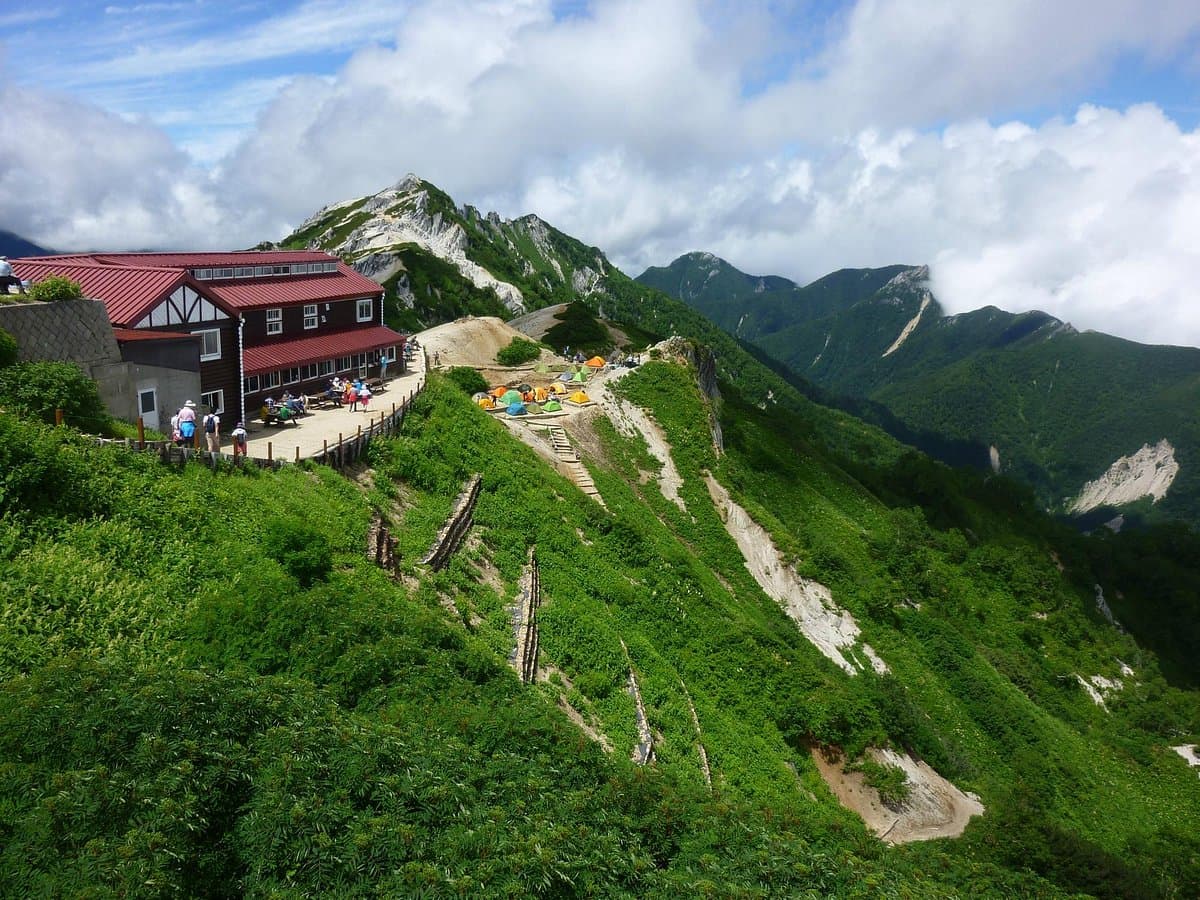
Mt. Tsubakuro is one of the most iconic peaks in the Northern Japanese Alps, celebrated for its distinctive white granite formations that give it a unique appearance, often described as a "queen of the Alps." It stands out among the rugged volcanic peaks of the region, offering a different kind of geological beauty and panoramic views that encompass a vast expanse of the surrounding mountain ranges.
Visitors consistently rave about the spectacular scenery, particularly the sunrise and sunset views from the mountain hut near the summit. Many describe the experience as "magical" and highlight the contrast between the white granite and the lush alpine flora. The trails are generally well-maintained, though challenging, and reviewers appreciate the clear signage and the presence of mountain huts for rest and overnight stays. The sense of accomplishment after reaching the summit and the camaraderie with fellow hikers are frequently mentioned positive aspects.
To make the most of a visit, hikers should be prepared for a multi-day trek. It is advisable to bring appropriate hiking gear, including sturdy boots, layers of clothing for varying weather conditions, rain gear, and sufficient water and snacks. Booking accommodation at a mountain hut well in advance, especially during peak season, is crucial. Reviewers suggest spending at least one night to fully experience both sunset and sunrise views. Starting the hike early in the morning is recommended to avoid crowds and allow ample time to reach the hut before dark. While the hike is challenging, it is generally considered manageable for those with good physical fitness and some hiking experience.
Access to Mt. Tsubakuro typically involves reaching the Nakabusa Onsen trailhead. From Azumino-city or Omachi-city, public bus services are available to Nakabusa Onsen during the hiking season. Alternatively, driving to Nakabusa Onsen is an option, though parking can be limited, especially on weekends. The hike from Nakabusa Onsen to the summit of Mt. Tsubakuro is a significant ascent, usually taking 5-7 hours to reach the mountain hut, followed by a shorter climb to the summit.
A common complaint among some visitors is the crowded nature of the mountain huts and trails during peak season, particularly weekends in summer and autumn. To mitigate this, consider visiting on weekdays or during the shoulder seasons (late spring/early summer or late autumn, weather permitting). Additionally, while the views are consistently praised, some hikers find the initial ascent from Nakabusa Onsen to be relentlessly steep, requiring good stamina. Pacing oneself and taking regular breaks are key to a more enjoyable experience.