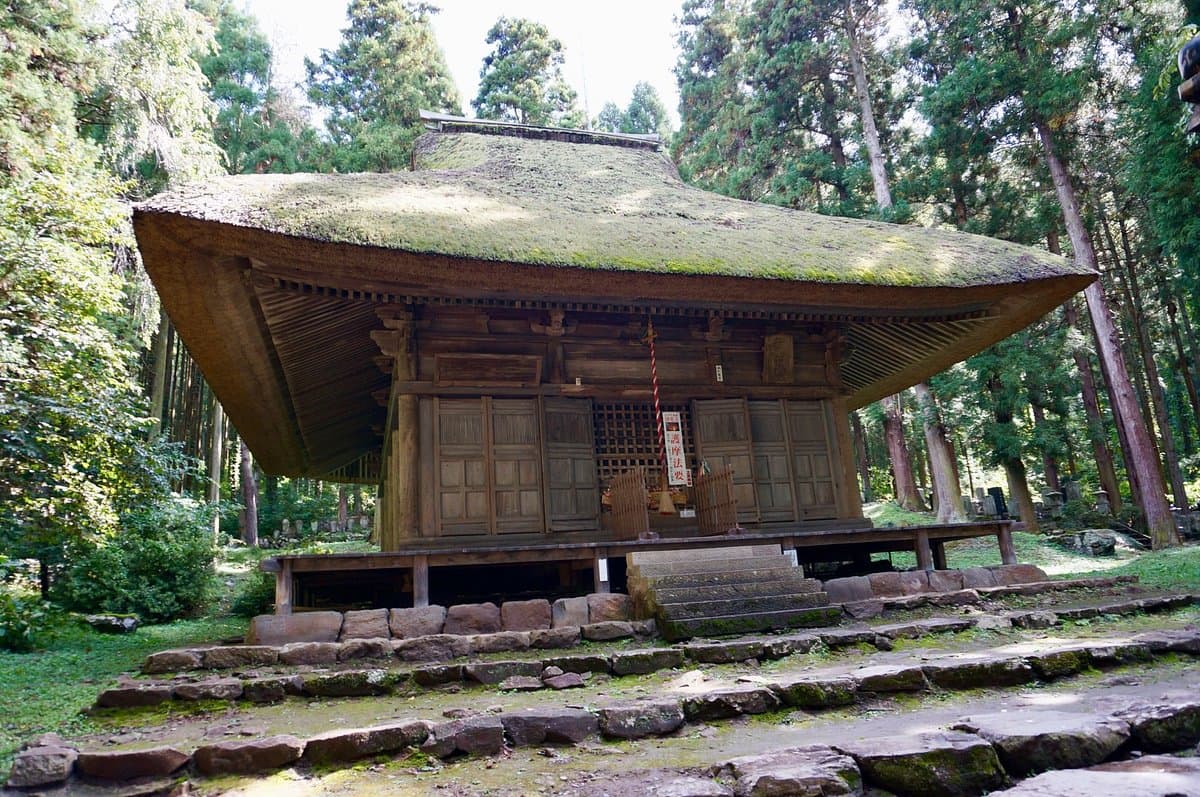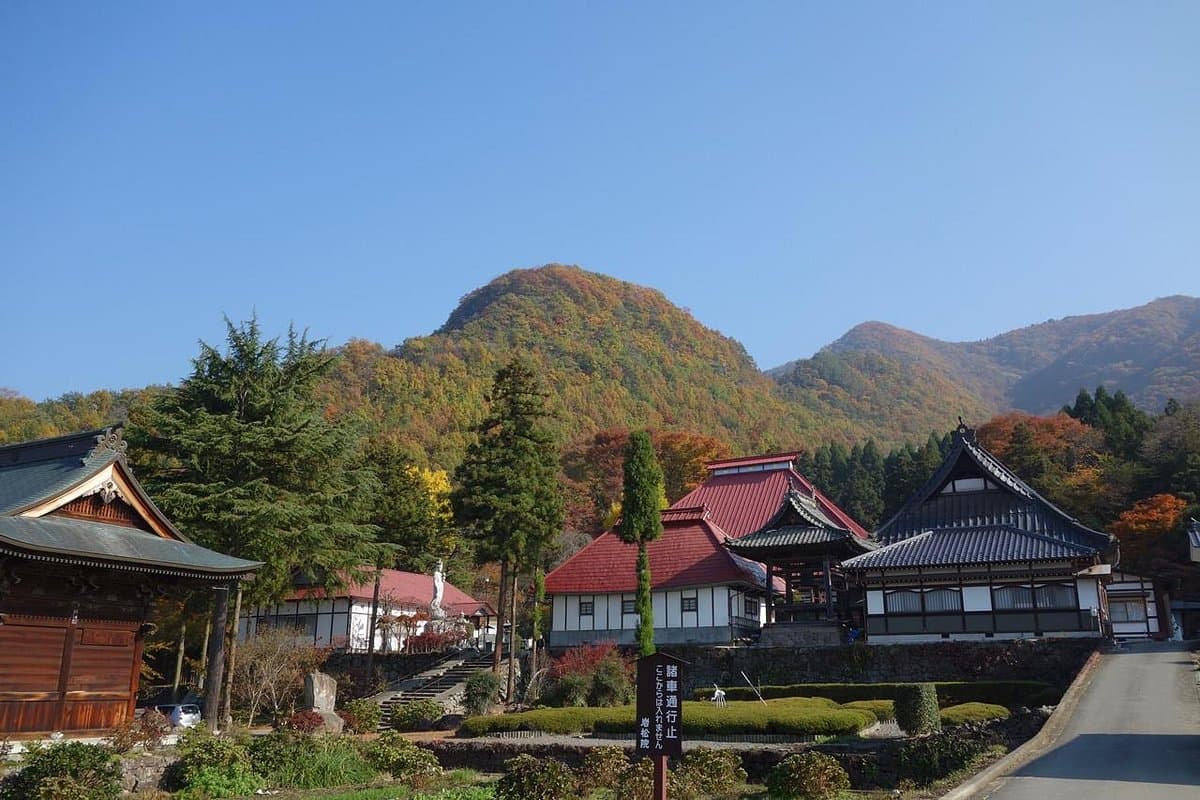
Ganshoin Temple holds significant historical and artistic value, primarily as the home of Katsushika Hokusai's final major work, the 'Happo Gaze Ho-o-zu' ceiling painting. Completed when Hokusai was 89, this vibrant depiction of a phoenix is a testament to his enduring genius and is considered a national treasure. The temple also has connections to other historical figures like haiku poet Kobayashi Issa and Sengoku warlord Fukushima Masanori, adding layers to its cultural importance.
Visitors consistently praise the breathtaking beauty and vivid colors of Hokusai's phoenix, noting that it appears remarkably preserved without restoration. Many appreciate the short, informative presentations given by temple staff, sometimes even in English, which enhance the viewing experience. The serene temple grounds and surrounding natural scenery, especially during cherry blossom season, also receive positive mentions, offering a peaceful respite from urban areas. Some reviewers, particularly those who have seen many temples in Kyoto or Nara, find the temple itself less grand but emphasize that the Hokusai painting alone makes the visit worthwhile.
To make the most of your visit, plan to spend about 1-2 hours. The best time to visit is during the day to fully appreciate the ceiling painting's colors. While photography and videography of the phoenix painting are generally not allowed, visitors can enjoy the surrounding grounds. Consider combining your visit with the Hokusai Museum in Obuse, as many reviewers suggest it provides valuable context. Proper footwear is recommended if you plan to explore the hilly path behind the temple for scenic views.
Ganshoin Temple is located about 2 km east of central Obuse. From Obuse train station, a taxi ride takes approximately 5-10 minutes. Alternatively, it's a pleasant 30-minute walk, which many visitors enjoy. Be aware that public buses to the temple may not run on weekdays, so check schedules in advance or be prepared for a walk or taxi. Ample parking is available for those driving.
A common complaint among some visitors is that the temple, apart from the Hokusai painting, might not be as grand as other famous temples in Japan. However, this can be mitigated by focusing on the unique artistic significance of the phoenix painting and appreciating the tranquil atmosphere of the temple grounds. The admission fee is modest, making it an accessible cultural experience.