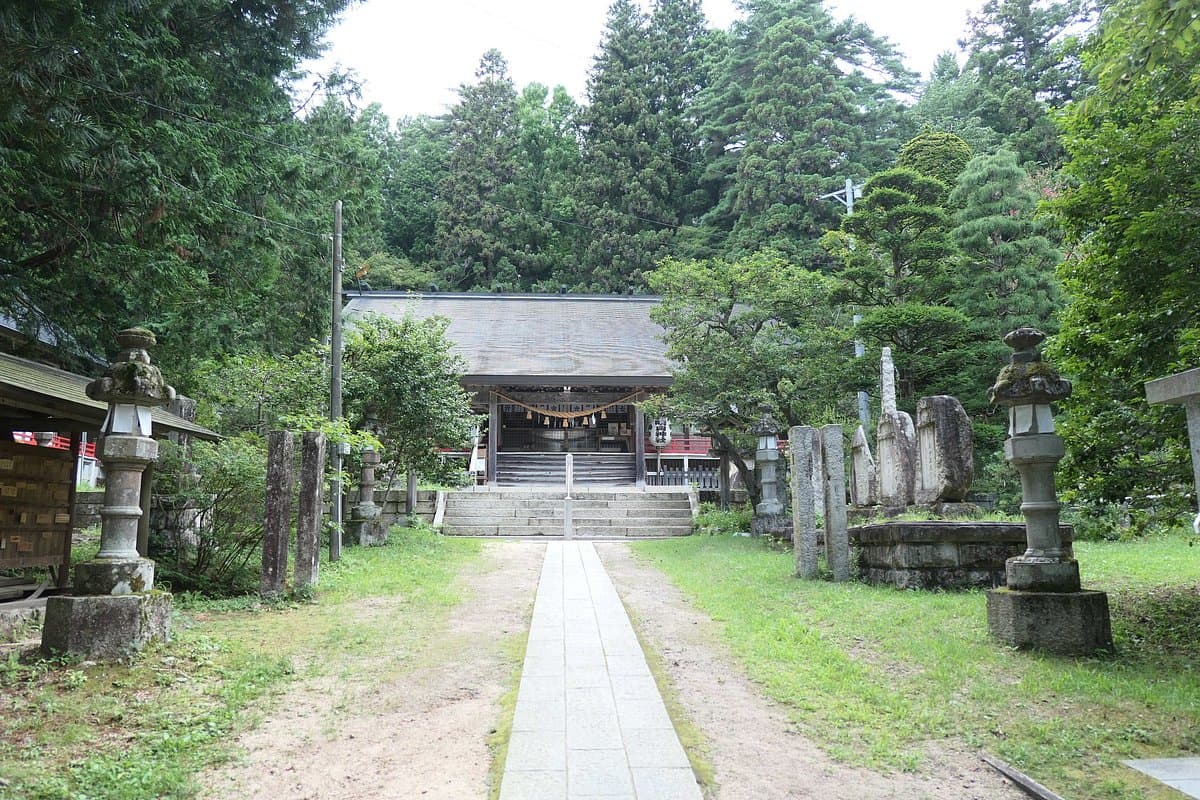
Ariakeyama Shrine is a small, local Shinto shrine nestled in the Azumino region of Nagano Prefecture. It is primarily known for its peaceful setting and the scenic beauty of its surroundings, particularly during the autumn foliage season. Unlike major tourist attractions, this shrine offers a more intimate and less crowded experience, appealing to those seeking tranquility and a glimpse into local spiritual practices.
Visitors consistently praise the shrine's serene and quiet atmosphere, often describing it as a hidden gem. The natural beauty, especially the autumn colors, is frequently highlighted as a major draw. Reviewers note that the shrine provides a pleasant opportunity for a short, reflective walk. However, some visitors mention that the shrine itself is quite small and might not offer extensive activities, suggesting it's best enjoyed as part of a broader exploration of the Azumino area rather than a standalone destination.
For a fulfilling visit, allocate about 30 minutes to an hour to explore the grounds and enjoy the peaceful ambiance. The best time to visit is during the autumn months (typically late October to mid-November) when the foliage is at its peak, enhancing the scenic beauty. Bringing a camera is recommended for capturing the natural surroundings. There are no specific items to bring or skip, as the experience is primarily about quiet contemplation and enjoying nature.
The shrine is located at 7271 Hotaka Ariake Miyagi, Azumino, Nagano Prefecture. Given its somewhat remote location, reaching Ariakeyama Shrine is most convenient by car. Public transport options are limited, and it is not easily accessible via train or bus lines directly. Visitors driving should use GPS navigation to locate the shrine. Parking availability is generally not an issue due to its smaller visitor numbers.
A common complaint, or rather an expectation to manage, is the shrine's modest size and lack of extensive facilities or activities. To mitigate this, visitors should approach it as a place for quiet reflection and natural appreciation, rather than a major historical or cultural site with numerous exhibits. Combining a visit here with other attractions in the Azumino area, such as art museums or soba restaurants, can create a more comprehensive and satisfying day trip.