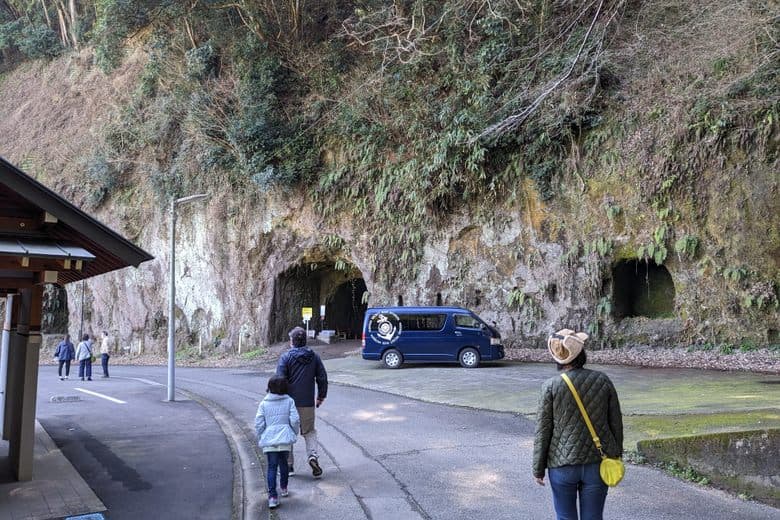
The Nishiki Secret Base Museum is dedicated to preserving and showcasing the underground facilities of the former Hitoyoshi Naval Air Base, constructed during World War II. Discovered in 2015 and opened as a museum in 2018, these tunnels and bunkers were part of Japan's extensive preparations for a potential American invasion, including areas for torpedo manufacturing and command-and-control operations, as well as aviation fuel production from pine tree roots.
Visitors primarily come to explore the secret tunnels, which offer a tangible connection to a significant period in history. Reviewers often highlight the unique experience of walking through these preserved wartime structures. While the guided tours are primarily in Japanese, some English audio guides are available, though they may not cover all aspects of the tour. This suggests that non-Japanese speakers might benefit from doing some preliminary research or bringing a translation app to fully appreciate the historical context.
Practical advice for visiting includes being prepared for the environment within the tunnels. Several sources mention the presence of bats and centipedes, so visitors should wear appropriate closed-toe footwear and be aware of their surroundings. The museum is not a quick stop; visitors should allocate at least a couple of hours to explore the exhibits and tunnels thoroughly. Given its historical focus, it's particularly recommended for those with a keen interest in military history or World War II.
The museum is located approximately a 90-minute car ride south of Kumamoto. Public transportation options are not widely detailed in available information, suggesting that driving or arranging private transport might be the most convenient way to reach the site. Visitors should plan their journey accordingly, as it is somewhat remote.
A common complaint, particularly from international visitors, is the language barrier for the guided tours. While some English audio guides exist, they are not comprehensive. To mitigate this, visitors are advised to utilize translation apps or seek out additional information about the base's history before their visit to enhance their understanding of the exhibits and the significance of the site.