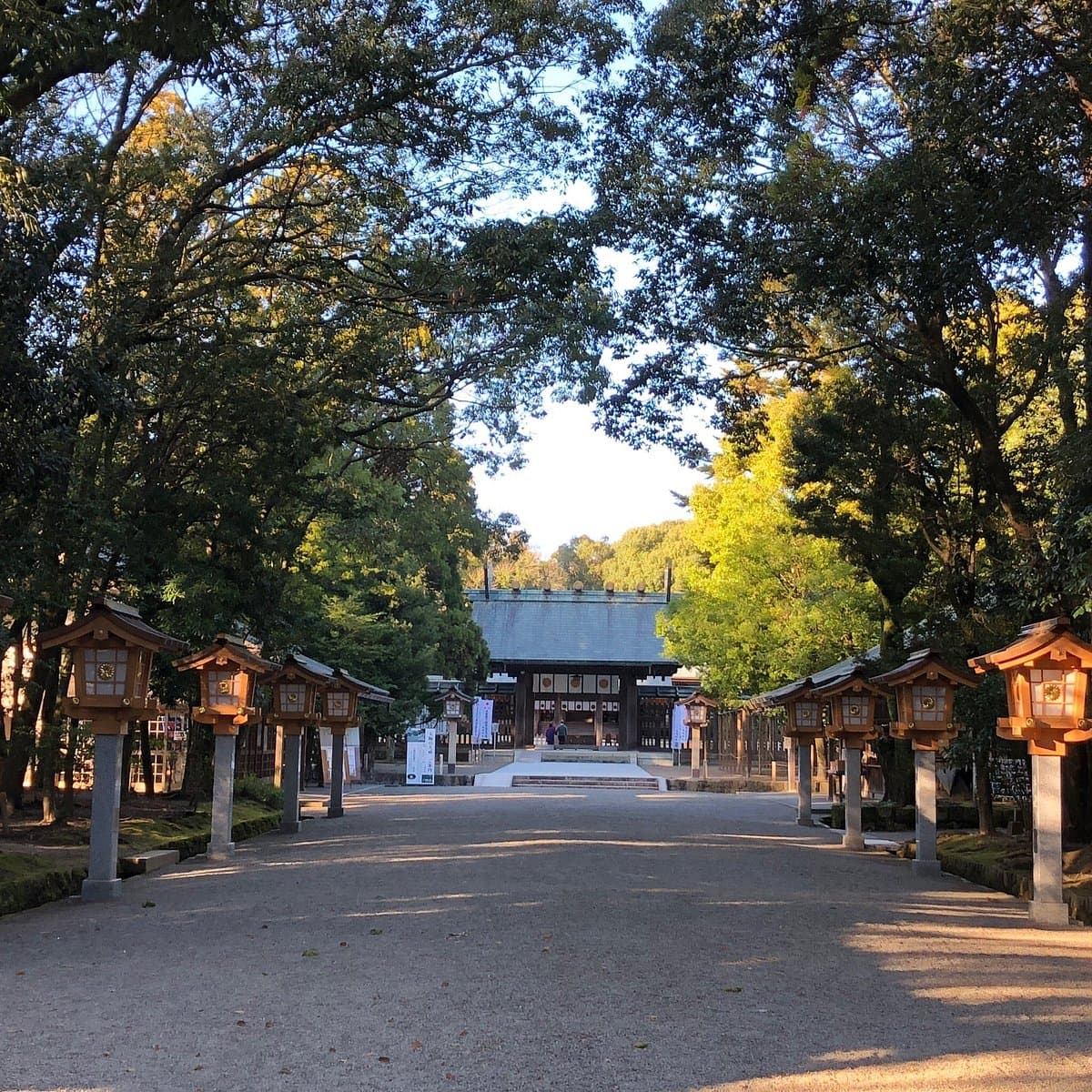
Miyazaki Shinto Shrine is a significant historical and spiritual site in Japan, dedicated to Emperor Jinmu, the mythical first Emperor of Japan. It holds a special place in the hearts of Miyazaki locals and offers visitors a glimpse into ancient Japanese traditions and mythology. Unlike many urban shrines, it maintains a tranquil, less touristy atmosphere, making it ideal for those seeking a genuine cultural experience.
Visitors consistently praise the shrine's peaceful and solemn ambiance, often describing it as a 'place where gods reside.' The extensive grounds, filled with lush, sometimes tropical trees, provide a refreshing escape from the daily hustle. Many reviewers highlight the opportunity to witness traditional Japanese weddings, which add to the cultural immersion. The shrine's quiet nature is frequently mentioned as a major draw, allowing for reflective walks and a sense of calm. Some visitors note that while the shrine itself might appear 'so-so' compared to more ornate ones, the overall experience of the serene environment and the historical significance makes it worthwhile.
For a truly peaceful visit, aim for the early morning when there are fewer people. Most visitors suggest spending 1-2 hours to fully appreciate the grounds and soak in the atmosphere. While the main structures are impressive, don't miss strolling through the backyards to the right of the shrine, where you'll find very large and tall trees. The paths are mostly gravel and dirt, which might be challenging for wheelchairs, so comfortable walking shoes are recommended. There is no admission fee, making it an accessible cultural experience.
The shrine is conveniently located and accessible. Many reviewers mention taking a bus from their hotel, with the bus dropping them off directly in the parking area in front of the main torii gate. For those driving, free parking is readily available on-site. The shrine is also within walking distance of the Prefectural Museum, making it easy to combine both attractions for a more comprehensive cultural outing.
A common complaint among some visitors is that the shrine might not be as visually striking or 'interesting' as some other famous shrines in Japan. To mitigate this, approach the visit with an appreciation for its historical significance and tranquil natural beauty rather than expecting grand, elaborate architecture. Focusing on the serene atmosphere and the connection to Emperor Jinmu's mythology can enhance the experience, especially for those who have visited many shrines previously.