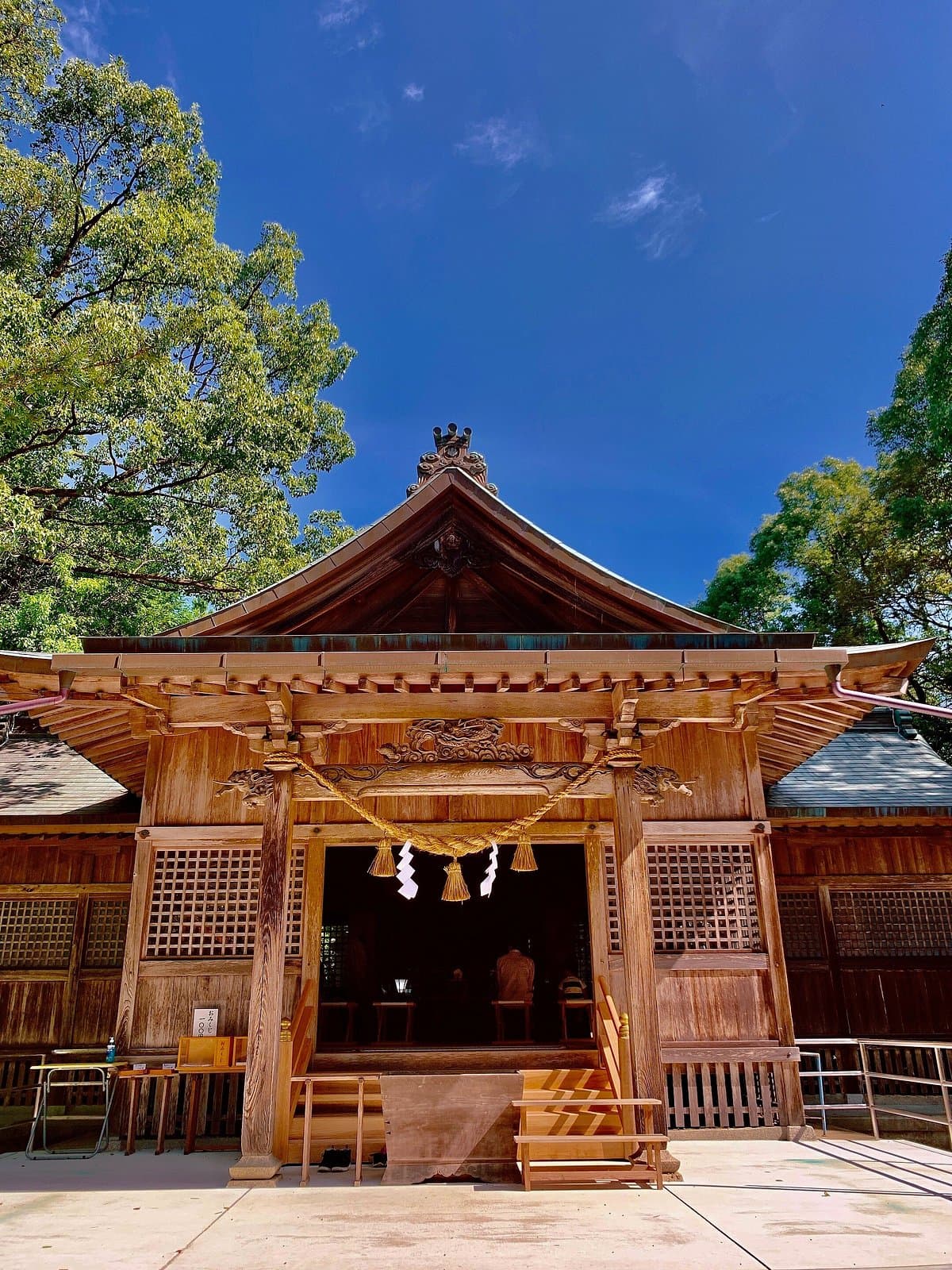
Eda Shrine holds significant cultural importance as it is dedicated to Izanagi no Mikoto and Izanami no Mikoto, central figures in Japanese creation mythology. It is considered a Shikinaisha (a shrine listed in the Engishiki, an ancient Japanese text) and a former prefectural shrine, making it a site of historical and spiritual reverence. Its proximity to Misogi Pond, where Izanagi no Mikoto is said to have performed his ablutions, further enhances its mythological significance, as this act led to the birth of major deities like Amaterasu.
Visitors consistently praise the shrine for its peaceful and powerful atmosphere, often describing it as a 'power spot.' Many recommend combining a visit with Misogi Pond, as the two sites are closely linked both geographically and mythologically. Reviewers note that while the shrine itself might have a standard layout, its unique location near the ocean adds to its charm and provides an extra dimension to the experience. Explanations of the mythology on display are also appreciated, helping visitors understand the legends associated with the site.
To make the most of your visit, allocate about 30-60 minutes to explore both Eda Shrine and Misogi Pond. The best time to visit is during daylight hours to fully appreciate the natural surroundings. While the shrine is generally quiet, early mornings or late afternoons might offer an even more serene experience. There are no specific items to bring, but comfortable walking shoes are advisable, especially if you plan to explore the surrounding area. There are no reported complaints about crowds or specific things to skip, suggesting a generally pleasant and unhurried visit.
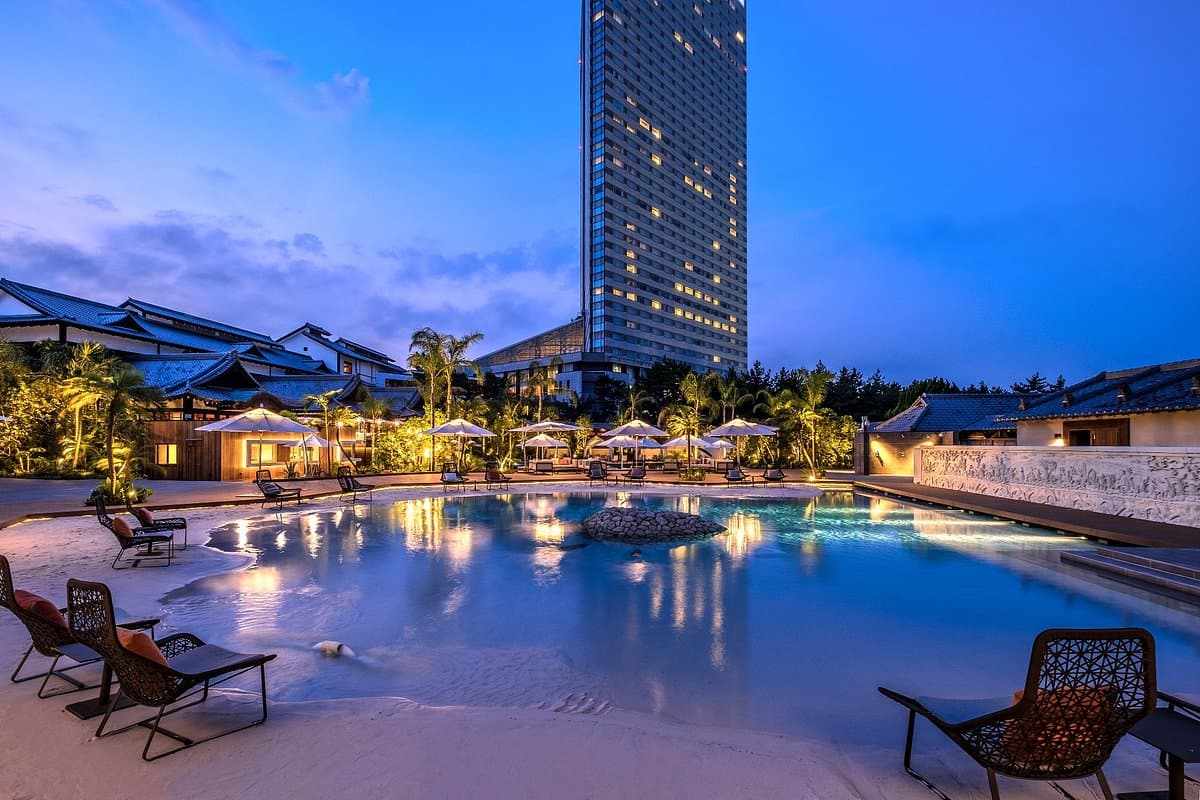
The shrine is located at 127 Awagigaharacho, Miyazaki, almost directly in front of Sea Gaia. Several reviewers mention that it can be 'hard to find,' suggesting that clear navigation might be necessary. While specific public transport options are not detailed in reviews, its proximity to Sea Gaia implies it might be accessible via local bus routes serving that major resort area. Driving is likely the most convenient option for many, given the comments about it being somewhat hidden. Parking information is not explicitly mentioned, but typically shrines of this size in Japan offer some form of parking.
The primary complaint from visitors is the difficulty in locating the shrine. To mitigate this, it is highly recommended to use a reliable navigation app or detailed map and perhaps look for signs pointing towards Sea Gaia or Misogi Pond, as the shrine is very close to these landmarks. Planning your route in advance will help ensure a smooth arrival.