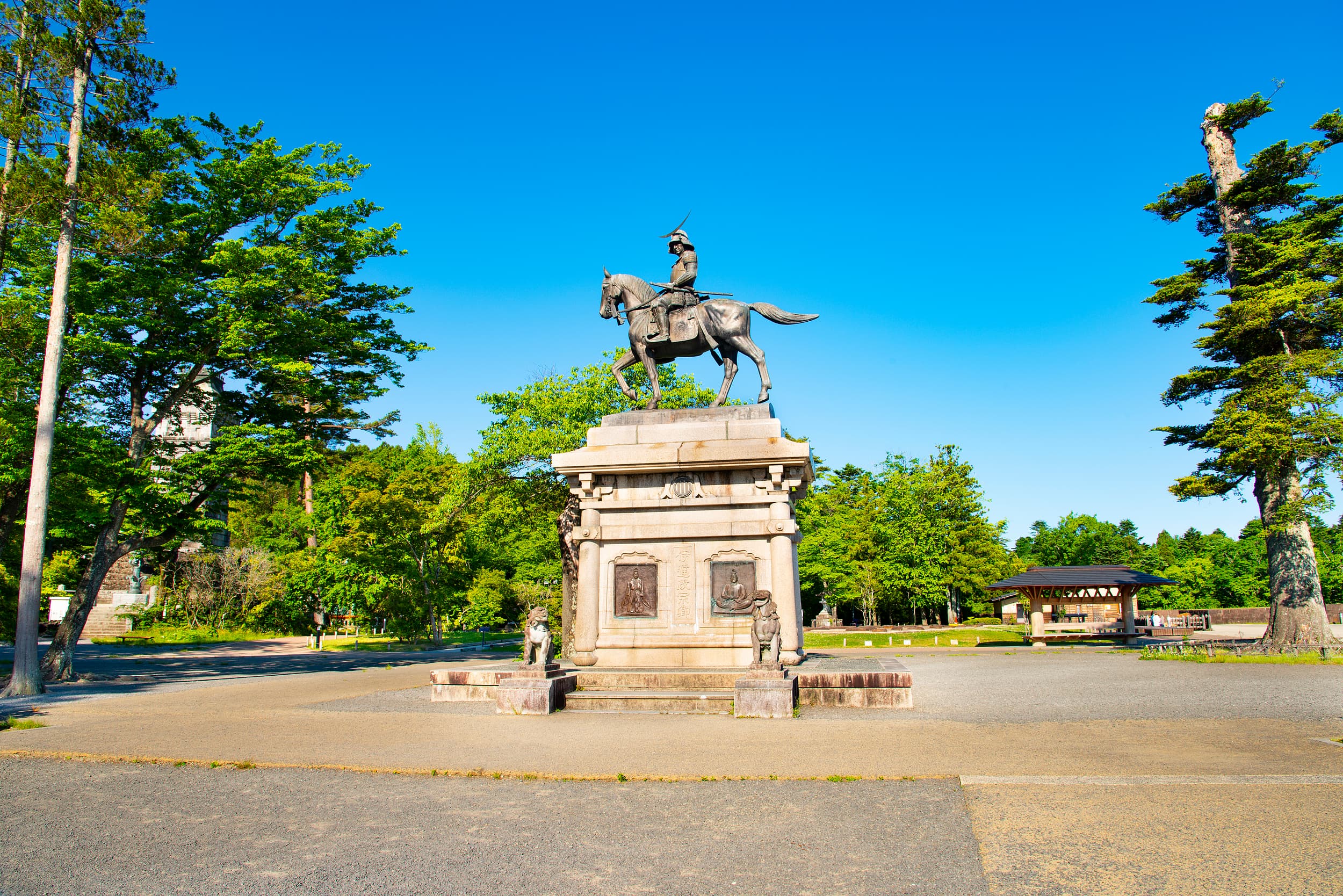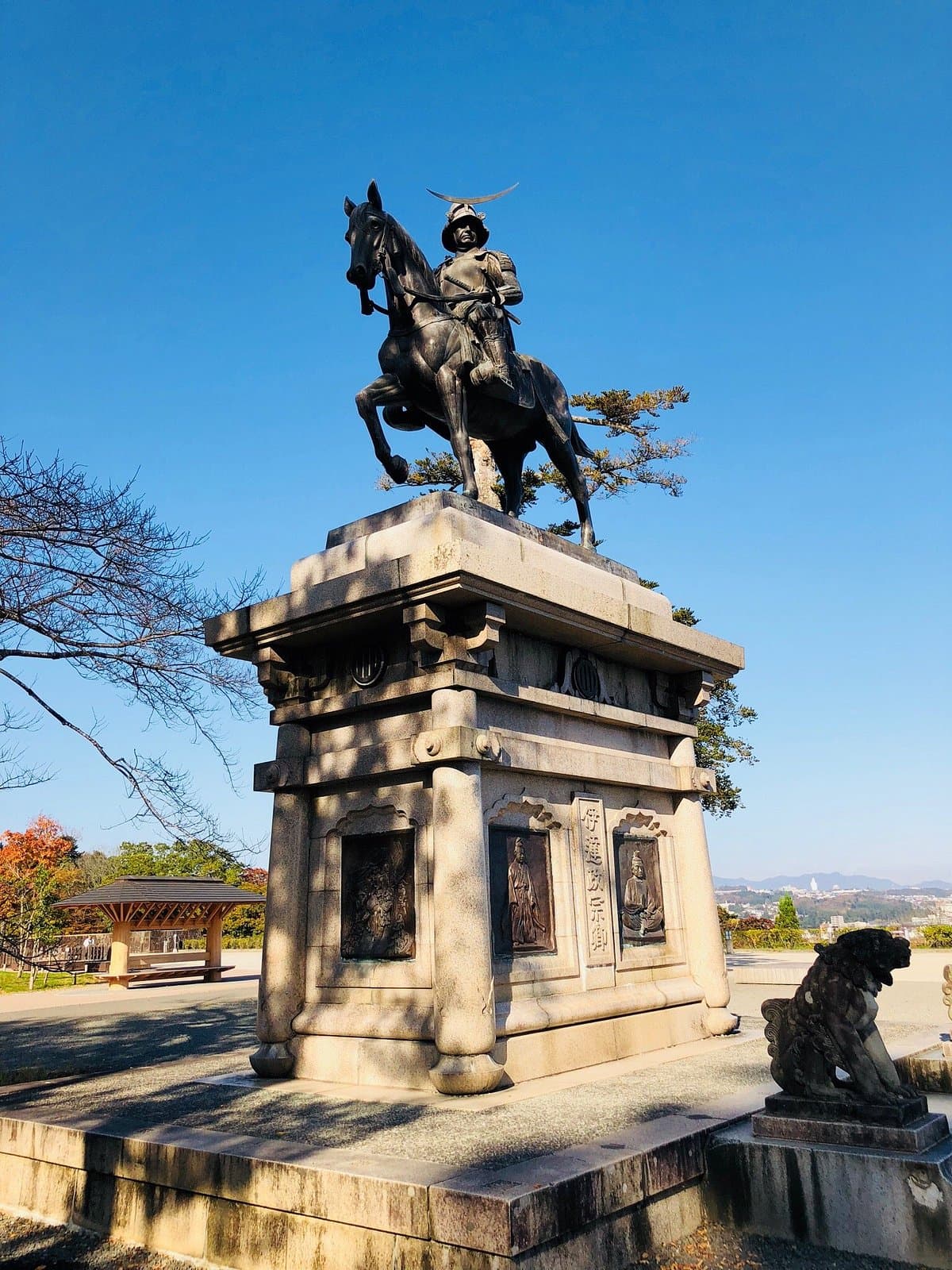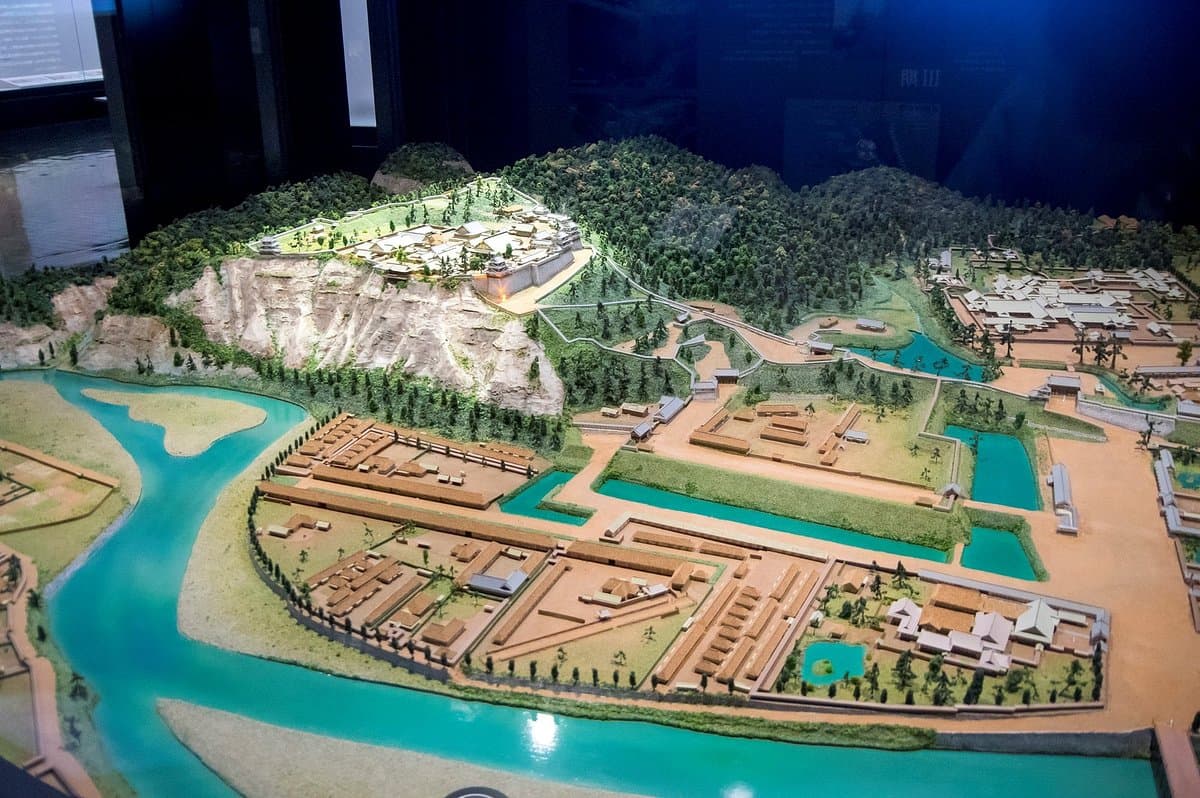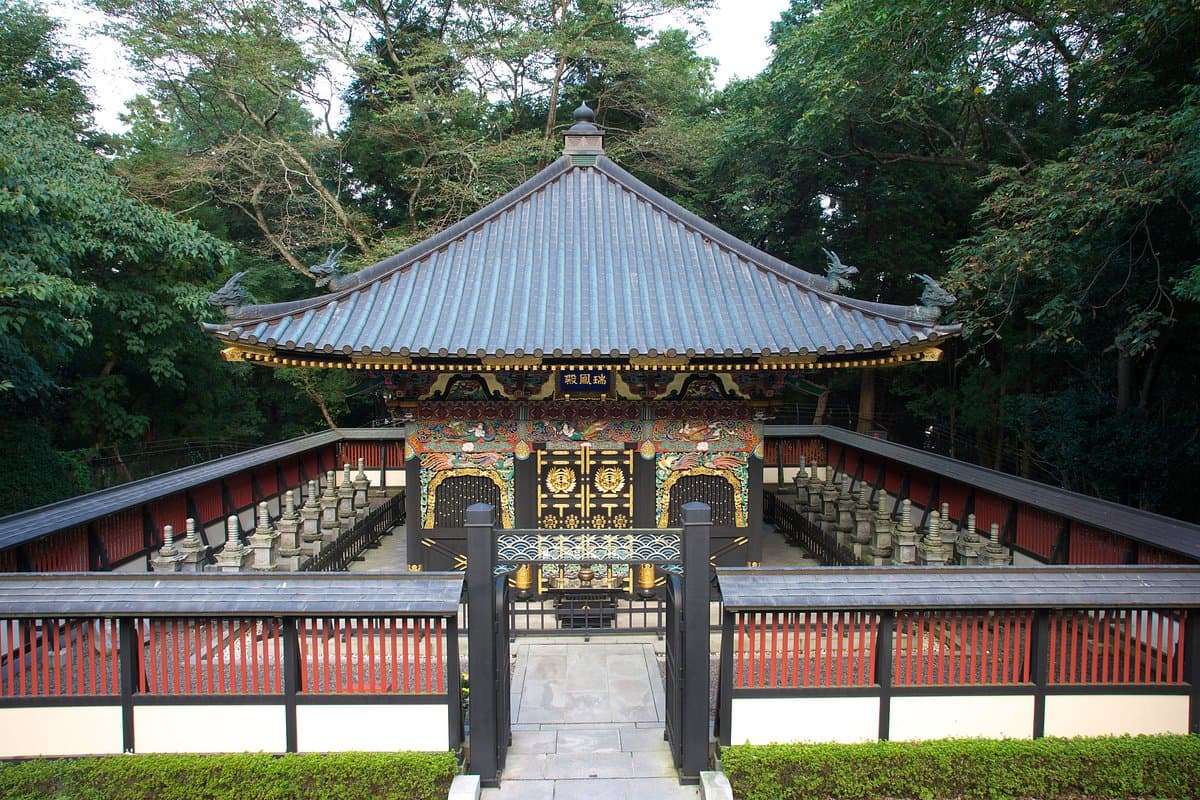
Zuihoden is the mausoleum complex dedicated to Date Masamune, the influential feudal lord who founded Sendai, and his successors. Originally built in 1637, it stands as a significant example of the Momoyama architectural style, characterized by its lavish ornamentation and vibrant colors. Despite being destroyed during World War II air raids, the mausoleum was meticulously rebuilt, preserving its historical and artistic essence. It serves as a testament to Masamune's legacy and offers a unique aesthetic experience distinct from many other Japanese historical sites.
Visitors consistently praise the mausoleum's stunning architecture, noting its vivid colors, intricate details, and extensive use of gold, which many find breathtaking. Reviewers often highlight the peaceful and serene atmosphere, enhanced by the surrounding lush forest and tall cedar trees. The small on-site museum, though primarily in Japanese, is frequently mentioned for its interesting artifacts, including original items from Masamune's tomb, providing valuable historical context. Many find the experience inspiring, especially for history and architecture enthusiasts.
For a comfortable visit, wear comfortable shoes as there are uphill climbs and numerous uneven stone steps. Visitors suggest allocating 1 to 2 hours to fully explore the mausoleum, its surrounding shrines, and the museum. The best time to visit is generally in the morning to avoid crowds, especially if using the Loople bus. While the site is beautiful year-round, some reviewers note that the colors are particularly striking against a winter snow backdrop. Consider purchasing the Loople bus ticket, as it often includes a discount on the entry fee.
Zuihoden is easily accessible, located on the west side of Sendai Station. The most convenient way to reach it is via the Loople bus, a sightseeing loop bus that stops directly at Zuihoden (Stop #4). Be aware that even with the bus, there's a significant uphill walk and stairs from the bus stop to the mausoleum entrance. Alternatively, it's about a 30-40 minute walk from Sendai Station, or a 13-minute taxi ride. Driving is also an option, with some parking available, though it still involves an uphill climb. English descriptions are available on-site, and some visitors have reported the availability of audio guides or even guided tours in English upon request.
A common point of discussion among visitors is that the current structures are reconstructions, not the original 17th-century buildings. While some express a slight disappointment that it's not the original, most agree that the meticulous rebuilding still makes it a worthwhile and beautiful sight. To mitigate any potential disappointment, approach the visit with an understanding of its post-war reconstruction, focusing on the artistry and historical significance that has been faithfully restored.