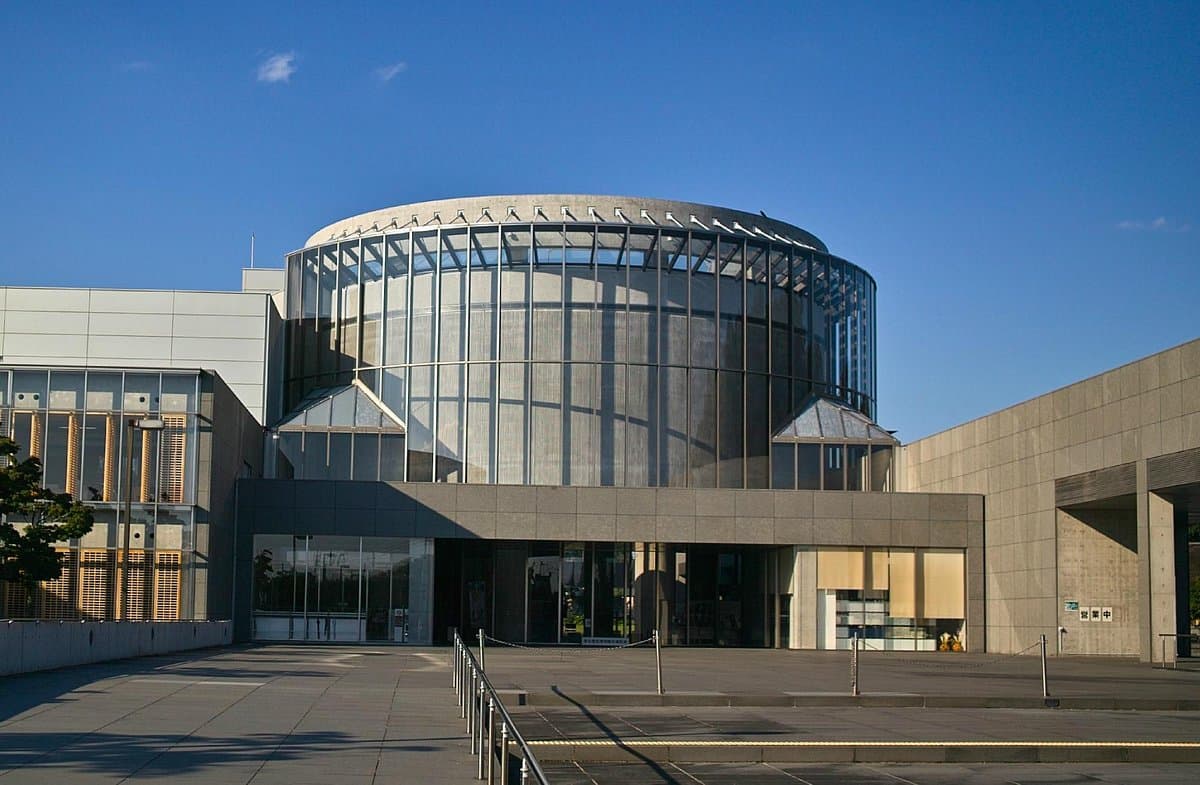
The Tohoku History Museum serves as a vital repository for the rich and diverse history of Japan's Tohoku region. It meticulously chronicles the area's development from prehistoric times, showcasing significant Jomon artifacts, through the influential feudal era, including figures like Date Masamune, up to the modern day. The museum's importance lies in its comprehensive approach to regional history, offering insights often overlooked in broader national narratives.
Visitors frequently commend the museum for its well-organized and captivating displays, which effectively blend educational content with engaging presentations. Many highlight the Jomon exhibit as particularly impressive, noting its depth and the quality of the artifacts. The availability of a free and informative English audio guide is consistently praised, as it significantly enhances the understanding and enjoyment for non-Japanese speakers, allowing them to fully appreciate the historical context and details of the exhibits. Several reviewers consider it among the best regional museums they have visited in Japan.
To make the most of your visit, it is highly recommended to request the free English audio guide upon arrival; reviewers emphasize its value in understanding the exhibits. Plan to spend at least 2-3 hours to thoroughly explore the permanent collections. While the permanent exhibition has a modest entry fee, be aware that special exhibitions, if running, may have a separate and potentially higher admission charge. It's advisable to check the museum's website for current special exhibition details and pricing before your visit.
The museum is conveniently located within walking distance from Kokufu Tagajo Station. From the station, it's described as a short walk to the museum entrance. This makes it easily accessible via public transport, particularly for those traveling by train within the Miyagi Prefecture.
While generally well-received, some visitors note that without the audio guide, the experience for non-Japanese speakers might be less engaging due to limited English signage. Therefore, prioritizing the audio guide is the primary way to mitigate any potential language barriers and ensure a fulfilling visit.