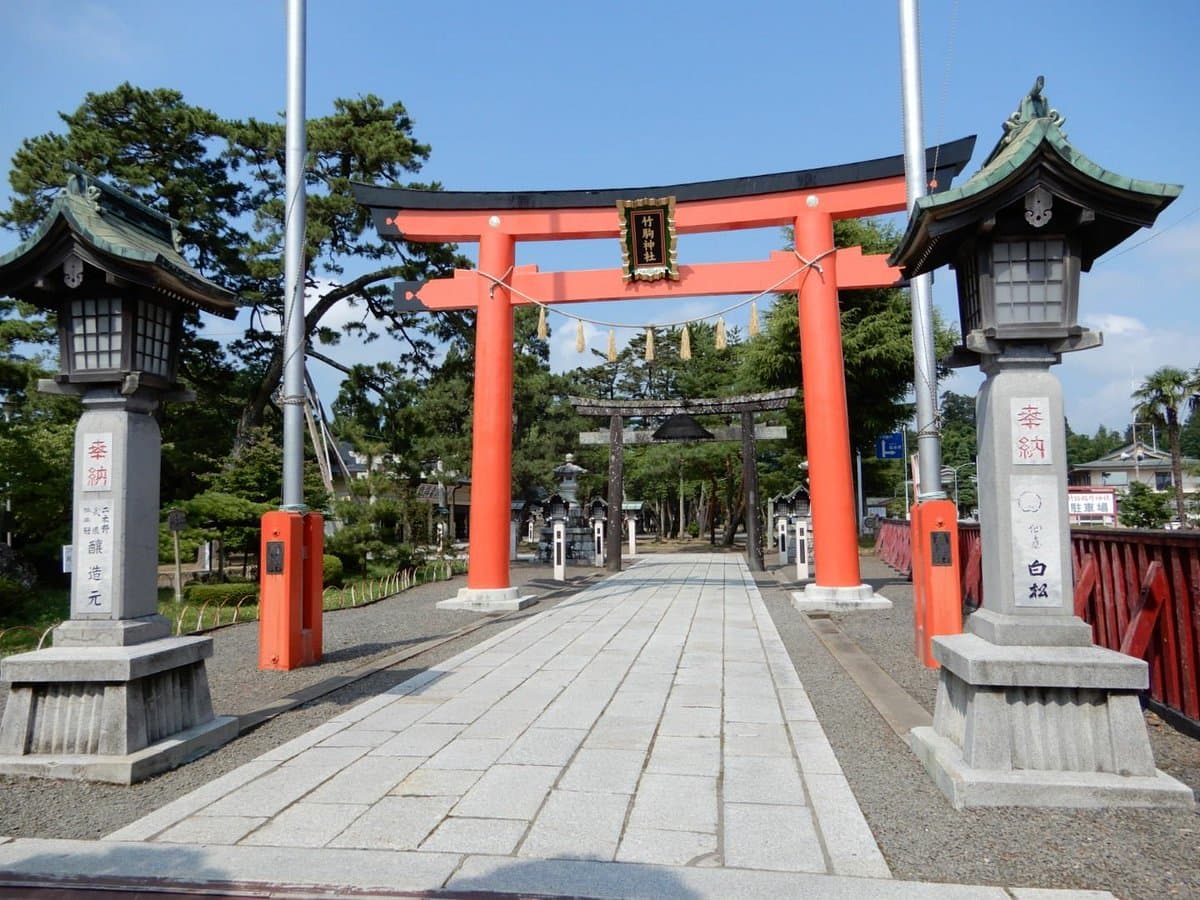
Takekoma Shrine, founded in 842 by Ono no Takamura, holds a prominent place in Japanese history and culture as one of the three major Inari shrines. It has been historically protected by the Date clan, feudal lords of the Sendai domain, and is dedicated to deities associated with household safety, bountiful harvests, and prosperous business. Its significance is underscored by the large number of worshippers, particularly during New Year's visits, making it a key spiritual landmark in the Tohoku region.
Visitors consistently praise the shrine's architectural beauty, specifically noting the magnificent gates and intricate decorations. Many describe the atmosphere as serene and soothing, especially when visiting outside of major holidays or special events. Reviewers highlight the opportunity to witness traditional Japanese weddings and other family events, which offer a unique cultural experience. The presence of a recently opened cafe is also mentioned as a pleasant addition for visitors.
For a more tranquil experience, it is advisable to visit on weekdays or during off-peak hours, as the shrine can become quite crowded during holidays and special events. Most visitors suggest spending about 1 to 2 hours to fully appreciate the grounds and soak in the atmosphere. There are no specific items to bring, but comfortable walking shoes are recommended for exploring the grounds. While the shrine is not large, its historical depth and aesthetic appeal warrant a dedicated visit.
The shrine is conveniently located about a 15-minute walk from Iwanuma Station. This makes it easily accessible via public transport, as Iwanuma Station is served by local train lines. Visitors arriving by train can simply follow signs or use a map for the short walk to the shrine. There is no specific mention of parking facilities in reviews, suggesting public transport is the preferred method of arrival for most.
A common observation is that the shrine can be very busy during holidays and special family events, which might detract from the serene experience some visitors seek. To mitigate this, check local calendars for major festivals or events before planning your visit, and aim for quieter times if peace and contemplation are your primary goals.