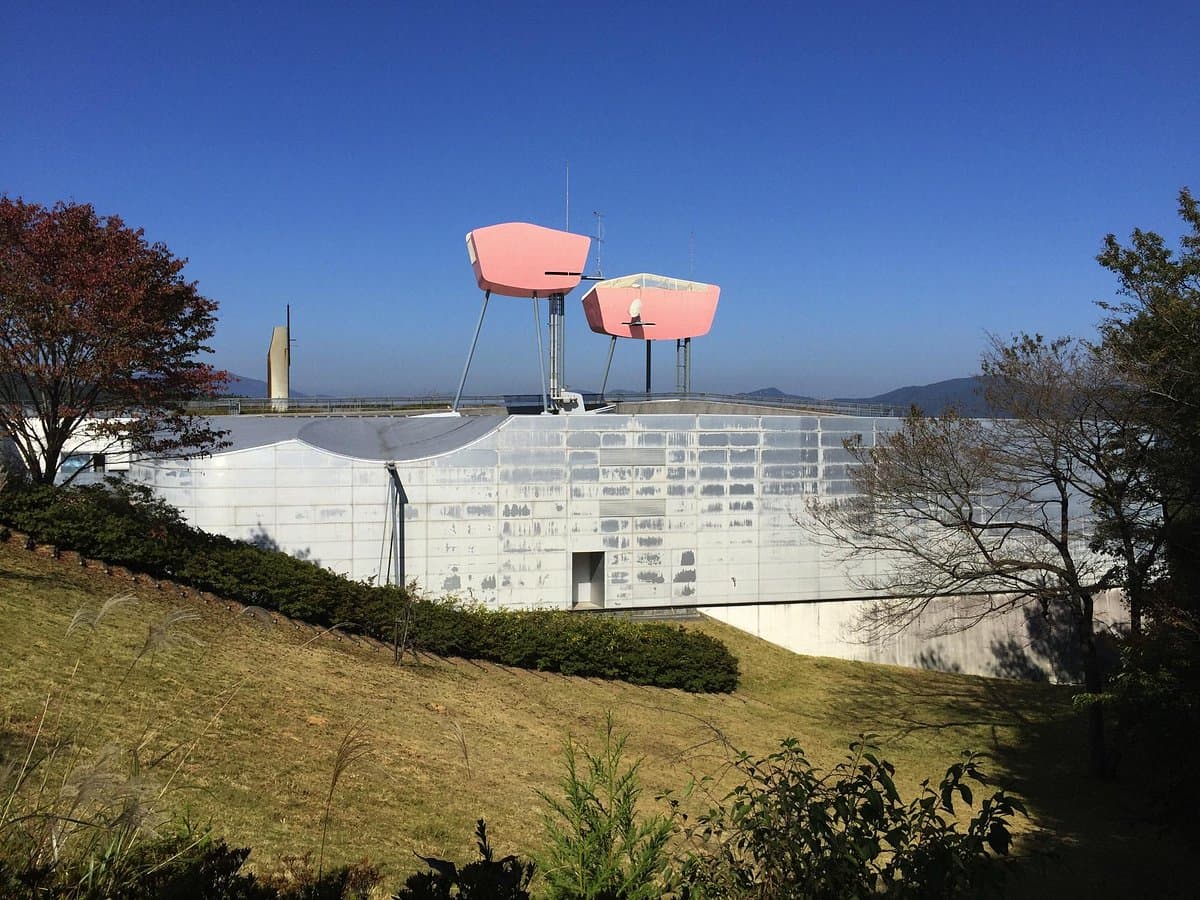
The Rias Ark Museum of Art serves as a vital cultural institution in Kesennuma, offering a unique perspective on the region's artistic heritage and its resilience in the face of natural disaster. It houses permanent collections of local artists, exhibits on the history of the local fishing industry, and, most notably, a comprehensive and impactful exhibition detailing the 2011 Great East Japan Earthquake and Tsunami.
Visitors consistently highlight the 2011 tsunami exhibition as a powerful and moving experience. Reviewers appreciate the depth of information provided, noting its comprehensive nature. An English guidebook is available to translate the Japanese captions, making the exhibition accessible to international visitors. Beyond the historical exhibits, the museum's architecture itself is often mentioned as a striking feature, contributing to the overall positive experience. The local art exhibits and those focusing on the fishing industry are also considered interesting, providing a broader context of the region's culture.
To make the most of your visit, allocate at least two to three hours to fully engage with the exhibits, especially the tsunami section. Bringing a pen and paper might be useful for notes, though the English guidebook for the tsunami exhibition is a significant aid. The museum is generally quiet, allowing for contemplative viewing. There are no specific warnings about what to skip, as all sections are generally well-received.
The Rias Ark Museum of Art is located at 138-5 Akaiwamakisawa, Kesennuma. While specific public transport details are not frequently mentioned in reviews, Kesennuma is accessible by train and bus services. From Kesennuma Station, local buses or a taxi would likely be the most convenient options to reach the museum, which is situated a short distance from the city center. Driving is also an option, with parking likely available on-site.
There are no common complaints about the museum itself. Visitors generally find the experience to be informative and well-presented. The availability of English translation for the tsunami exhibition addresses a potential language barrier, ensuring a positive experience for a wider audience.