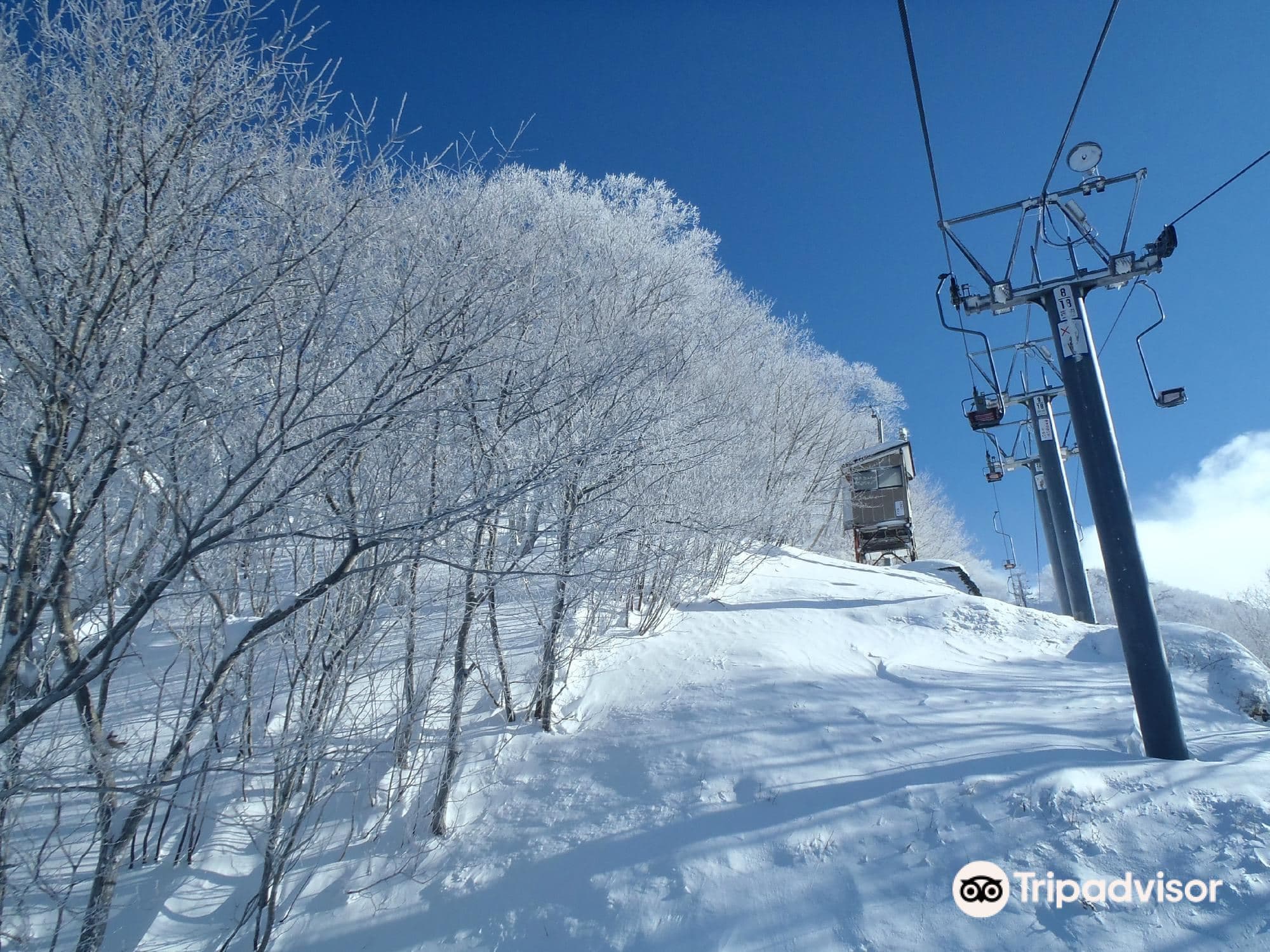
Miyagi Zao Shichikashuku is a modest ski resort situated in the Katta District of Miyagi Prefecture, Japan. It is listed as the No. 3 ski resort in Miyagi Prefecture, suggesting it is a smaller option compared to others in the region. Its primary function appears to be providing local residents with a convenient place for winter sports.
Given the complete absence of visitor reviews and a low hot score, there is no consistent praise or warning from past visitors. This lack of feedback suggests that it is not a prominent tourist destination and likely offers very basic amenities and slopes. Potential visitors should manage their expectations accordingly, as it is unlikely to provide the extensive facilities or diverse terrain found at larger, more popular resorts.
For practical advice, since there are no reviews, it's difficult to offer specific tips. However, for any small, local ski resort, it's generally advisable to bring all necessary gear, as rental options might be limited. The suggested duration of 4-6 hours indicates it's suitable for a half-day visit. It is crucial to check current operating hours and snow conditions directly with the resort before planning a trip, as these can vary significantly, especially for smaller venues. As there's no information on entry fees, assume standard ski resort pricing or inquire directly.
The resort's address is 129 Mamanoue, Shichikashuku, Katta District, Miyagi 989-0612, Japan. Without specific public transport information, it is highly probable that personal vehicle access is the most practical way to reach this location, as smaller ski resorts are often not well-served by public transit. Visitors should plan for driving and potential parking, though parking availability is not specified. Checking local bus routes or taxi services from the nearest major town or train station would be a prudent step for those without a car.
The main complaint, if one could infer without reviews, would be the potential for limited facilities, fewer slopes, and a lack of English-speaking staff, which is common for very local Japanese establishments. To mitigate this, visitors should be prepared for a more rustic experience, bring their own equipment if possible, and have translation apps ready. Confirming operational status and snow conditions directly with the resort is essential to avoid disappointment.