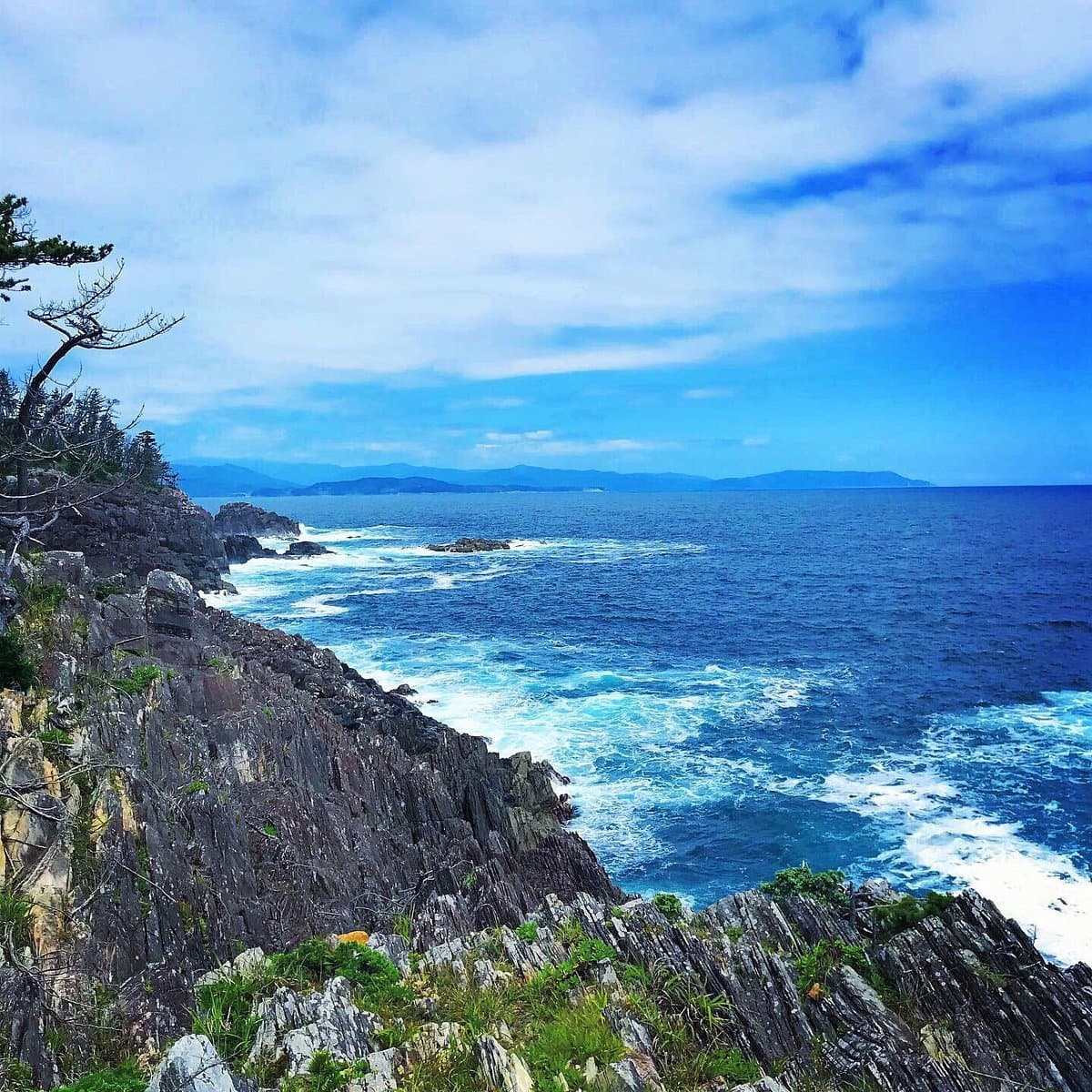
The Karakuwa Peninsula, located in Kesennuma, Miyagi Prefecture, is a designated national park renowned for its rugged natural beauty and geological formations. Its eastern coastline, shaped by relentless wave erosion, features numerous uniquely sculpted rocks and the famous Marble Coast, known for its high-quality marble pillars. Beyond its geological significance, the peninsula serves as a powerful testament to the region's recovery and resilience following the 2011 Great East Japan Earthquake and Tsunami, with visible reminders of the event integrated into the landscape.
Visitors consistently praise the peninsula's natural scenery, particularly the dramatic coastal views and the well-maintained Miyagi Olle hiking trail. Reviewers highlight the trail's excellent marking, making it easy to navigate through diverse landscapes including villages, forests, and the craggy coastline. A particularly moving aspect mentioned by several visitors is the sight of enormous boulders, displaced from the ocean floor by the tsunami, which now rest on the land, serving as a stark and powerful reminder of the event's scale. The sense of peace and the opportunity for reflection are frequently noted.
For a fulfilling visit, allocate at least half a day, or a full day if you plan to complete the 10km Miyagi Olle hiking trail. Comfortable walking shoes are essential, as is bringing water and snacks, especially if you venture onto the longer trails. The best time to visit is during pleasant weather to fully appreciate the outdoor scenery. While specific public transport details are not extensively mentioned in reviews, the peninsula is accessible by car, offering flexibility to explore various viewpoints. Driving allows for convenient stops at different scenic spots along the coast.
There are no significant common complaints about the Karakuwa Peninsula itself, but visitors should be prepared for the emotional impact of seeing the tsunami's remnants. It is advisable to research the history of the area beforehand to fully appreciate the significance of what you are seeing. The natural environment means that weather can impact the experience; checking forecasts before your visit is recommended.