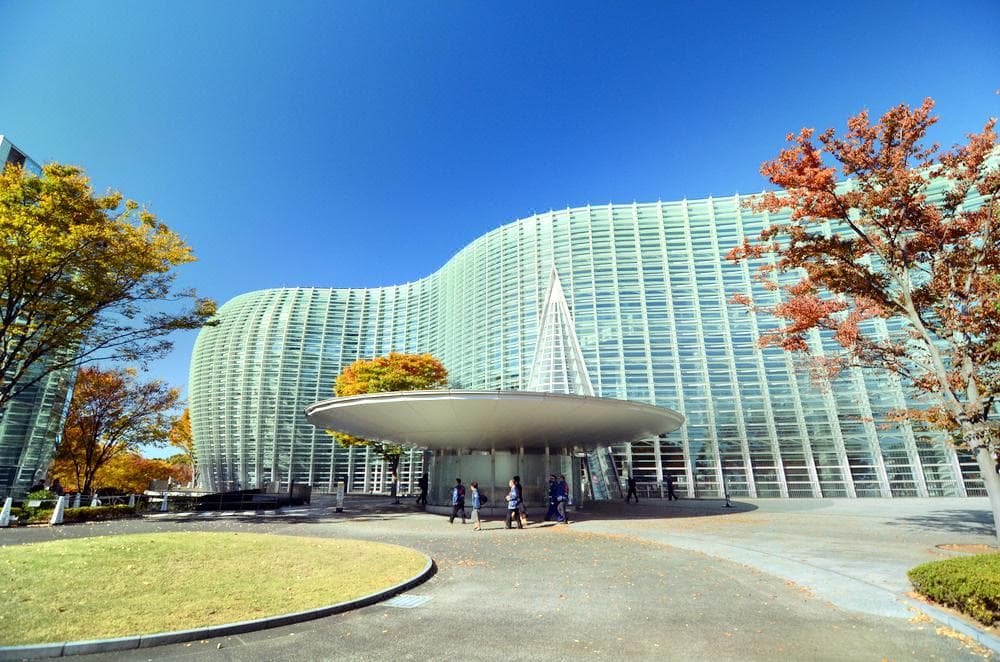
The National Art Center, Tokyo (NACT) stands as a prominent institution in Japan's art scene, distinguished by its striking architectural design by Kisho Kurokawa. Unlike traditional museums, NACT does not house a permanent collection but instead serves as a vast exhibition space, hosting a dynamic array of temporary shows. This unique approach ensures a fresh experience with each visit, ranging from world-renowned retrospectives to contemporary Japanese art and national art contests.
Visitors consistently laud the building itself as a work of art, with its undulating glass facade, high ceilings, and innovative use of natural light. The interior's spaciousness, including the iconic inverted cones housing cafes and restaurants, is frequently highlighted as a key draw. Many come specifically to admire the architecture, even if they don't attend an exhibition. The center's atmosphere is often described as relaxing and free-spirited, providing a welcome contrast to the bustling city. Reviewers appreciate the variety of exhibitions, noting that many are of high quality and well-curated, often featuring globally recognized artists. The museum shops, particularly the one in the basement, are also frequently praised for their unique and stylish items.
For a fulfilling visit, allocate 2-3 hours, though a full day might be needed for multiple exhibitions. It's highly recommended to check the official website in advance to see current exhibitions and their associated fees, as all exhibitions require separate paid tickets, and some popular ones can sell out or have long queues. Arriving early, especially on weekends or during popular exhibitions, can help mitigate crowds. While the building's lobby and common areas are free to explore, all art displays are ticketed. Consider visiting in the late afternoon on weekdays for a less crowded experience, as some reviewers note reduced crowds closer to closing time. Don't miss the unique cafes and restaurants, particularly the floating cafe in the inverted cone, which offers a distinctive dining experience. Many visitors also suggest exploring the surrounding Roppongi area, which is known for its art and design focus.
The National Art Center is exceptionally well-connected by public transport. It is directly connected to Nogizaka Station (Chiyoda Line) via Exit 6, making access very convenient. It's also a 5-minute walk from Roppongi Station (Hibiya Line and Oedo Line). Reviewers frequently mention the ease of reaching the museum via these subway lines. For those driving, information on parking is less prominent in reviews, suggesting public transport is the preferred method for most visitors.
A common complaint among visitors is the separate ticketing for each exhibition, which can make a multi-exhibition visit quite expensive. Some also express frustration with long queues for popular shows, even with pre-purchased tickets, and a lack of re-entry options for exhibitions, making it difficult to take breaks. To mitigate these issues, always check exhibition details and ticket policies online beforehand. If an exhibition is particularly popular (e.g., during Golden Week or for a famous artist), consider purchasing timed-entry tickets well in advance. If queues are long, consider exploring the free areas, enjoying the architecture, or visiting the cafes and shops, and return to the exhibition line later if time permits. Some visitors also note a lack of English explanations for some local art contests, though major international exhibitions usually provide them.