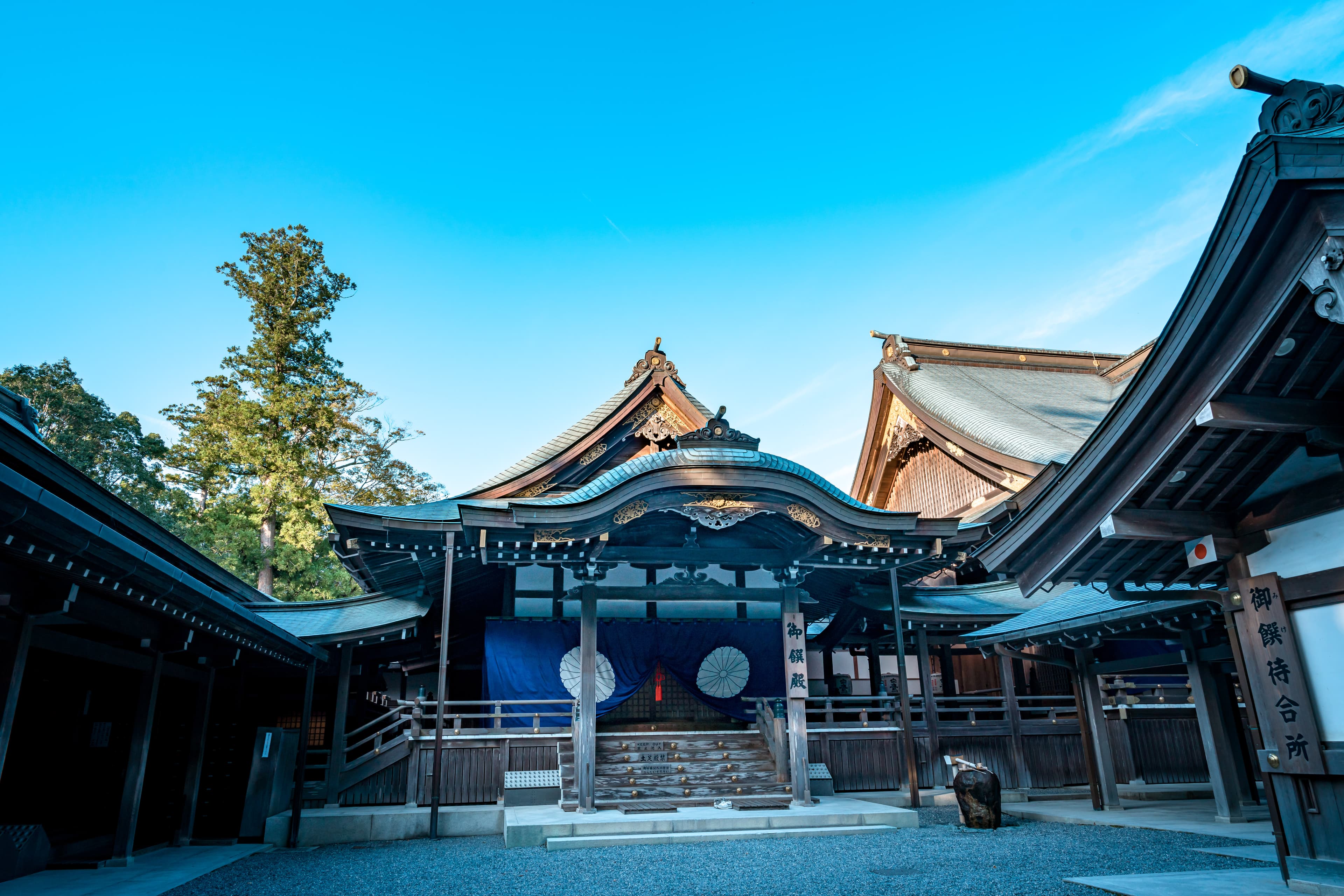
Ise Jingu is not merely a shrine; it is the spiritual heart of Japan, officially known as Jingu, encompassing 125 shrines including the Inner Shrine (Naiku) and Outer Shrine (Geku). Dedicated to Amaterasu Omikami, the Sun Goddess and ancestral deity of the Imperial Family, it embodies the profound Shinto reverence for nature and purity. Its unique tradition of rebuilding the main structures every 20 years, known as Shikinen Sengu, ensures the continuous transmission of ancient architectural techniques and symbolizes the cyclical renewal of life.
Visitors consistently highlight the profound sense of peace and spirituality found within the vast, forested grounds. Many describe the experience as a 'wash' for the soul, appreciating the solemn atmosphere and the towering ancient trees that create a tranquil oasis. The simplicity of the wooden architecture, integrated seamlessly with nature, is frequently praised, offering a stark contrast to more ornate temples. Reviewers often note feeling a deep connection to Japanese culture and the natural world here. However, some Western visitors, particularly those unfamiliar with Shinto traditions, occasionally express disappointment that the main shrine buildings are not openly accessible or visible, as photography is prohibited in the most sacred areas and structures are often partially obscured.
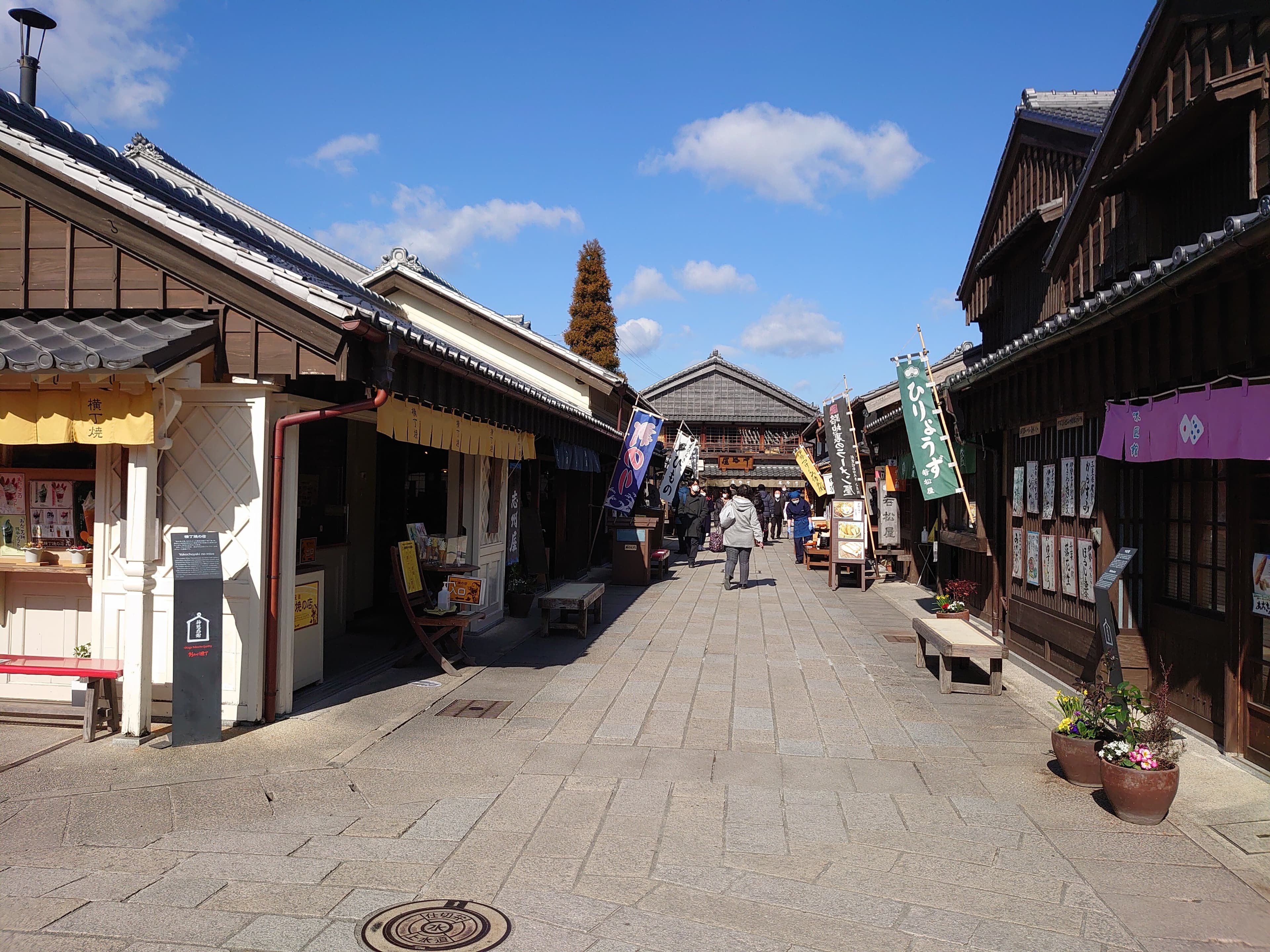
To make the most of your visit, arrive early in the morning, ideally around opening time (5:00 AM), to experience the shrine's serenity before the crowds arrive. Weekdays are generally less busy than weekends or holidays. Wear comfortable walking shoes, as the grounds are extensive and involve walking on gravel paths. Many visitors recommend allocating at least 3-5 hours to explore both the Inner and Outer Shrines, along with the charming Okage Yokocho shopping street. While the shrine itself is free to enter, be prepared for costs associated with transportation and souvenirs. Consider visiting during cooler months, as summer can be very hot and humid, making the long walks less enjoyable. Some visitors suggest bringing a small towel or fan during warmer periods.
Ise Jingu is easily accessible by public transport. The Outer Shrine (Geku) is about a 5-10 minute walk from Iseshi Station. The Inner Shrine (Naiku) is approximately 10 km away from Geku and can be reached by local bus (lines 51 or 55). Reviewers frequently mention the convenience of buses running every 10 minutes between the station, Geku, and Naiku. A round-trip bus fare for two people is comparable to a one-way taxi ride. If driving, be aware that parking lots, especially near Naiku and Okage Yokocho, can be very crowded, particularly on weekends and holidays, often requiring a significant walk from distant parking. Some visitors recommend parking at Geku and taking the bus to Naiku. Many suggest visiting Geku first, then Naiku, as this is the traditional order of worship.
A common complaint, particularly from those expecting grand, visible structures, is the limited view of the main shrine buildings. To mitigate this, approach your visit with an understanding of Shinto's emphasis on nature and reverence rather than architectural display. Embrace the peaceful walks through the forest and along the river, and appreciate the spiritual significance of the unseen. Some visitors also report crowded conditions, especially on holidays; arriving early or visiting on a weekday can significantly improve the experience. A few isolated reports mention impolite staff at amulet sales points, but these appear to be rare exceptions.