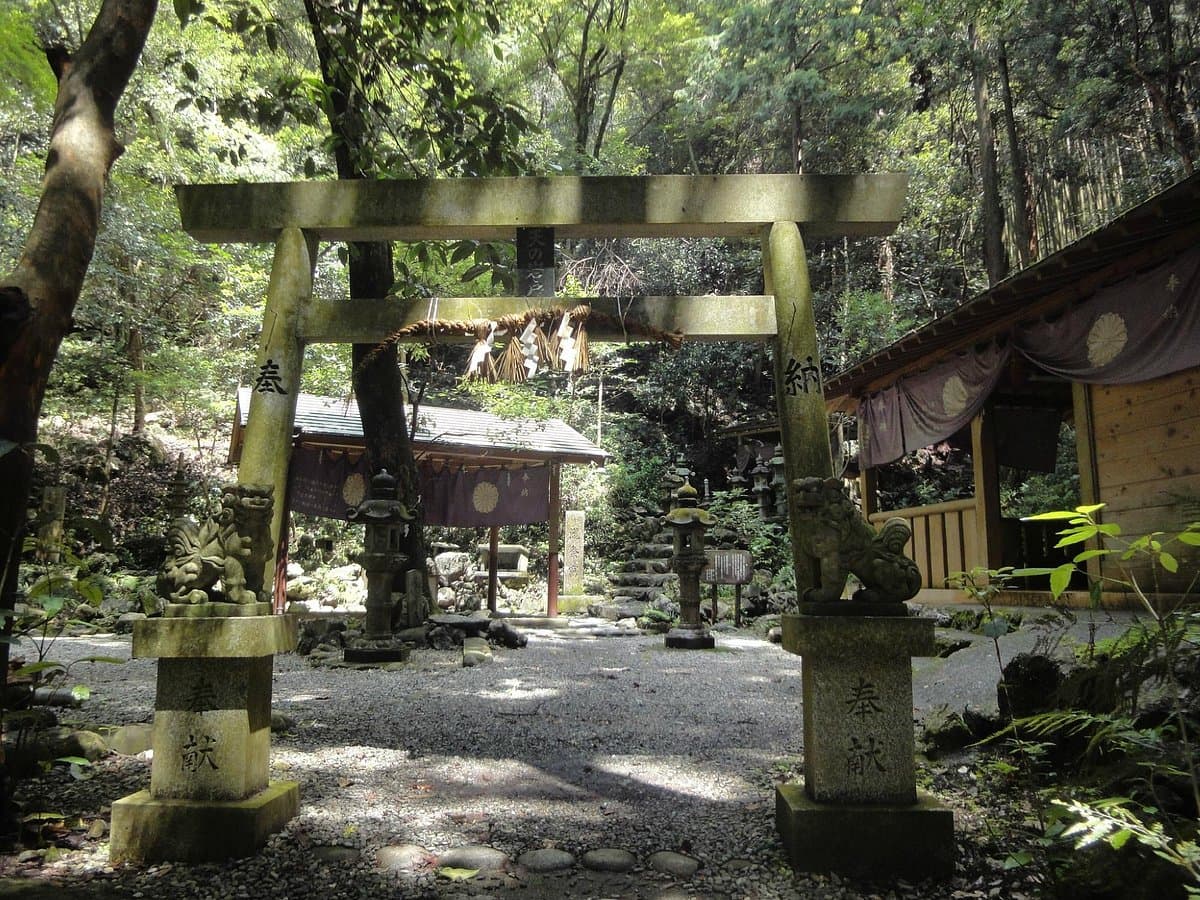
Amanoiwato is a Shinto shrine deeply rooted in Japanese mythology, famously known as the legendary cave where the sun goddess Amaterasu-ōmikami is said to have hidden, plunging the world into darkness. This site offers a profound connection to ancient Japanese beliefs and provides a serene, almost mystical atmosphere for visitors seeking a spiritual experience away from bustling crowds.
Visitors consistently praise the tranquil and natural beauty surrounding the shrine. The journey through the forest, often described as peaceful and refreshing, contributes significantly to the overall experience. Reviewers highlight the sense of calm and the mythological ambiance that permeates the area, making it a contemplative spot. While some find the site itself to be modest in scale, its historical and spiritual significance is widely appreciated.
To make the most of your visit, allocate about 1 to 2 hours to explore the shrine and its immediate surroundings. The best time to visit is during daylight hours, preferably in the morning or late afternoon, to enjoy the soft light filtering through the trees and avoid potential crowds. Wear comfortable shoes suitable for walking on uneven forest paths. There are no specific items to bring, but a camera is recommended for capturing the natural scenery.
Amanoiwato is somewhat off the beaten path, requiring a bit of effort to reach. If traveling by car, there is parking available approximately a 5-minute walk from the shrine entrance. For those relying on public transport, buses can take you part of the way, but expect a 15-minute walk through the forest from the nearest bus stop. The entrance, often referred to as "Amanoiwatoguchi," is identifiable when driving along the Isuzu River.
A common complaint is the relative distance from major attractions like Ise Grand Shrine, which can make it feel like a detour for some. To mitigate this, consider combining your visit with other sights in the Shima area if you have a car, or view the journey itself as part of the spiritual experience, embracing the quiet walk through nature.